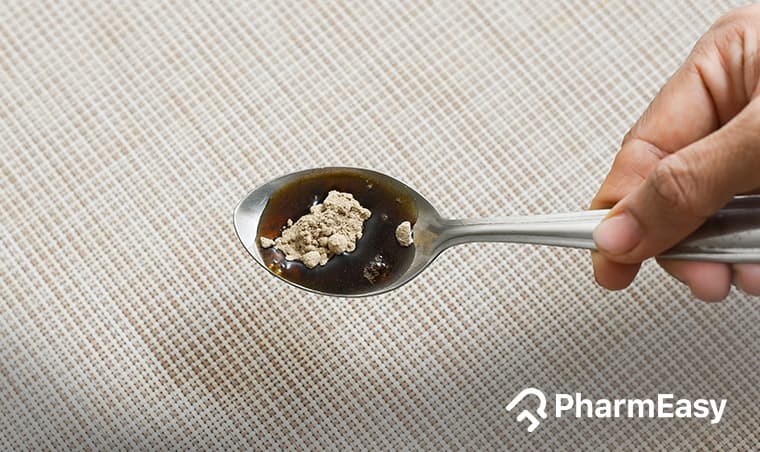
Dashmularishta: An Ayurvedic Elixir for Women's Wellness
Meena, 45, a homemaker from Jaipur, noticed her energy levels had plummeted after her second child. Sleepless nights, coupled with the demands of a newborn and a toddler, left her feeling utterly drained. Her grandmother, a firm believer in traditional remedies, suggested Dashmularishta.
Skeptical yet desperate, Meena started taking it. Within weeks, she felt a noticeable improvement in her stamina and overall well-being. Does this sound familiar?
Dashmularishta, a renowned traditional Indian formulation, has been a cornerstone of female wellness in India for centuries. Its name itself offers a clue to its composition: 'Dash' meaning ten, and 'Mula' meaning roots. The potent base of this classical syrup is a decoction of ten different roots, collectively known as Dashmula.
This blend is then fermented with jaggery and other herbs, creating a complex, self-generated alcoholic base that enhances the bioavailability of its active compounds. What most people miss is the intricate process that transforms simple roots into a powerful tonic.
The Power of Dashmula: Understanding the Key Ingredients
The therapeutic efficacy of Dashmularishta largely stems from its primary ingredient: Dashmula. This potent combination comprises roots from ten specific plants, typically categorized into two groups: Brihat Panchamula (four larger roots) and Laghu Panchamula (five smaller roots). These include herbs like:
This is where most patients struggle.
- Aegle marmelos (Bilva)
- Premna integrifolia (Agnimantha)
- Gmelina arborea (Gambhari)
- Stereospermum suaveolens (Patala)
- Oroxylum indicum (Shyonaka)
- Solanum indicum (Brihati)
- Solanum xanthocarpum (Kantakari)
- Desmodium gangeticum (Shalaparni)
- Uraria picta (Prishniparni)
- Teramnus labialis (Mashaparni)
Each of these roots possesses unique medicinal properties, working synergistically to address a spectrum of wellness concerns, particularly those related to the female reproductive system. Honestly, the synergy is what makes it so effective.
Dashmularishta's Therapeutic Benefits: A Boon for Women
Primarily, Dashmularishta is celebrated for its role in post-childbirth care. After childbirth, a woman's body undergoes significant stress and depletion.
Dashmularishta is believed to help restore strength, vitality, and balance. Its Vata-pacifying properties are crucial here, as Vata dosha is often aggravated during pregnancy and childbirth, leading to pain, anxiety, and fatigue.
Beyond the post-childbirth period, Dashmularishta finds its application in managing various menstrual irregularities. It can be beneficial for women experiencing painful periods (dysmenorrhea), irregular cycles, or heavy bleeding (menorrhagia).
The formulation's anti-inflammatory and antispasmodic actions can aid alleviate menstrual cramps and discomfort. In many cases, these benefits extend to alleviating symptoms associated with premenstrual syndrome (PMS) as well.
That's the part worth remembering.
Lactation support is another notable benefit. For breastfeeding mothers, Dashmularishta is thought to promote milk production and improve the quality of breast milk.
This is typically attributed to its galactagogue properties, helping to nourish both mother and child. Its restorative nature aids in replenishing nutrients lost during pregnancy and childbirth, supporting overall maternal wellness.
Additionally, this traditional tonic is recommended for addressing issues like pelvic inflammatory disease (PID) and other reproductive tract infections. Its anti-microbial and anti-inflammatory constituents can assist combat infections and reduce inflammation in the pelvic region.
The formulation also acts as a uterine tonic, promoting the healthy functioning of the uterus.
So what does that mean for you? It means a time-tested remedy that addresses common female wellness issues effectively.
Key Benefits at a Glance:
- Post-childbirth recovery and rejuvenation
- Relief from menstrual pain and irregularities
- Support for lactation
- Management of pelvic inflammatory conditions
- Uterine tonic properties
- General wellness and vitality booster
How Does Dashmularishta Work? The Traditional Indian Perspective
From a traditional Indian standpoint, Dashmularishta works by balancing the three doshas — Vata, Pitta, and Kapha — with a particular emphasis on pacifying aggravated Vata. Vata dosha governs movement in the body, and its imbalance can lead to a wide array of indicators, including pain, dryness, anxiety, and irregular bodily functions.
The Dashmula herbs, with their warming and grounding qualities, are exceptionally proven in calming Vata.
The fermented nature of Dashmularishta, with its self-generated alcohol, acts as an 'anupana' or vehicle, enhancing the absorption and penetration of the herbal constituents deep into the tissues. This process makes the active compounds more readily available to the body, leading to faster and more reliable results.
Recovery is rarely linear.
The preparation method, involving decoction and fermentation, also helps in breaking down complex herbal compounds, making them easier to digest and assimilate.
The presence of jaggery, a natural sweetener, adds trace minerals and offers a healthier alternative to refined sugar, contributing to its nutritive value. This traditional preparation method ensures that the final product is not just a collection of herbs but a potent, bioavailable medicine.
Dosage and Administration: Finding the Right Balance
The standard dosage of Dashmularishta typically ranges from 15 to 30 ml, taken twice daily after meals. However, this can vary significantly based on individual constitution (Prakriti), the severity of the condition, and the specific formulation used.
It is commonly advised to take it mixed with an equal amount of lukewarm water to aid absorption and reduce any potential digestive discomfort. Here's the thing: consulting a traditional Indian medicine practitioner is crucial for personalized dosage recommendations.
For post-childbirth care, it might be initiated a few days after delivery, continuing for several weeks or months as advised by a healthcare professional. During menstruation, it can be taken from the onset of the period until it subsides.
It sounds simple. It rarely is.
The duration of use depends entirely on the wellness concern being addressed. Extended use should always be under the guidance of a qualified practitioner.
Potential Side Effects and Precautions: What to Watch Out For
Dashmularishta is generally considered safe when taken in the prescribed dosage. However, like any herbal remedy, it can have side effects in certain individuals or if misused.
Due to its alcoholic content (typically 5-10% v/v, a result of natural fermentation), it might cause mild drowsiness or a feeling of intoxication in some people, especially when taken in larger doses. Individuals with a history of alcohol intolerance should exercise caution.
Pregnant women, except those in the immediate post-childbirth period and under medical advice, are generally advised against its use. Its potent Vata-pacifying action might not be suitable during pregnancy. People with diabetes should use it cautiously due to the presence of jaggery, though the amount is usually minimal and the overall glycemic impact is often considered low in standard doses.
Monitoring blood sugar levels is advisable. Over 400 million people worldwide have diabetes (IDF, 2021), making this a meaningful consideration for many.
Individuals with high Pitta constitution or those experiencing excessive heat in the body might find it slightly aggravating. Its warming nature could potentially worsen conditions associated with high Pitta.
If you experience any adverse reactions, such as heartburn, excessive heat, or allergic responses, discontinue use immediately and consult a healthcare provider. Remember, what works for one person might not work for another.
That alone changes everything.
Precautions to Keep in Mind:
- Consult a traditional Indian medicine practitioner for correct dosage and duration.
- Use with caution if you have diabetes.
- Avoid during pregnancy (unless advised post-childbirth).
- Monitor for any adverse reactions.
- Not recommended for those with severe alcohol sensitivity.
Dashmularishta vs. Modern Medicine: Finding the Right Fit
While modern medicine offers quick relief for many ailments, traditional Indian remedies like Dashmularishta provide a holistic approach, addressing the root cause of imbalances rather than just suppressing signs. For instance, managing chronic pelvic pain or infertility often requires a multi-pronged approach.
Dashmularishta works on strengthening the reproductive system from within, promoting long-term wellness.
The World Health Organization (WHO) recognizes the importance of traditional medicine, with a notable portion of the global population relying on it for primary healthcare. While scientific studies on Dashmularishta are ongoing, its long history of safe and successful use in traditional practice is compelling.
Its benefits in managing conditions like PCOS (Polycystic Ovary Syndrome), which affects an estimated 10 million women in India, are frequently discussed in traditional Indian medicine circles. It’s important to integrate traditional wisdom with modern scientific understanding.
In cases of severe infections or critical conditions, modern medical intervention is indispensable. However, for managing chronic conditions, improving overall well-being, and supporting the body's natural healing processes, traditional Indian formulations like Dashmularishta can be a valuable complementary therapy.
That's the part worth remembering.
The Lancet published a study in 2022 highlighting the growing interest in integrative medicine, combining conventional and complementary approaches.
Incorporating Dashmularishta into Your Wellness Routine
Integrating Dashmularishta into your daily routine is straightforward. Typically, it's consumed twice a day, after meals, mixed with water. Some prefer to take it during specific times of their menstrual cycle or post-childbirth period, as guided by their practitioner.
If you're considering using it alongside modern medications, open communication with your doctor is key. A conversation with your physician can support avoid potential interactions and ensure a safe treatment plan. Imagine enjoying a festive meal during Diwali, knowing your body is supported by this ancient tonic.
The taste can be an acquired one for some, being slightly bitter and fermented. Mixing it with a small amount of honey (for those over one year old) or plain water can enable mask the flavour. Consistency is vital for reaping the full benefits.
Herbal medicines work gradually, supporting the body's natural rhythms. Patience and adherence to the recommended regimen are essential.
A Note on Quality and Authenticity
When purchasing Dashmularishta, it is crucial to choose reputable brands that adhere to Good Manufacturing Practices (GMP). Look for products that clearly state the ingredients, dosage, and expiry date. The quality of herbs and the manufacturing process significantly impact the efficacy and safety of the final product.
The numbers don't lie.
Traditional Indian pharmacies and trusted online health platforms are good sources. Given the prevalence of counterfeit products in various markets, vigilance is necessary.
Key Takeaways
- Dashmularishta is a classical traditional Indian formulation primarily used for female wellness, especially post-childbirth recovery and menstrual issues.
- Its main ingredient, Dashmula, is a combination of ten potent roots known for their Vata-pacifying properties.
- Benefits include aiding post-childbirth healing, relieving menstrual pain, supporting lactation, and acting as a uterine tonic.
- Standard dosage is 15-30 ml twice daily with water, but personalized advice from a traditional Indian medicine practitioner is recommended.
- While generally safe, precautions regarding its alcoholic content and suitability during pregnancy (outside post-childbirth) are necessary.
Always consult a qualified physician before making any medical decisions.