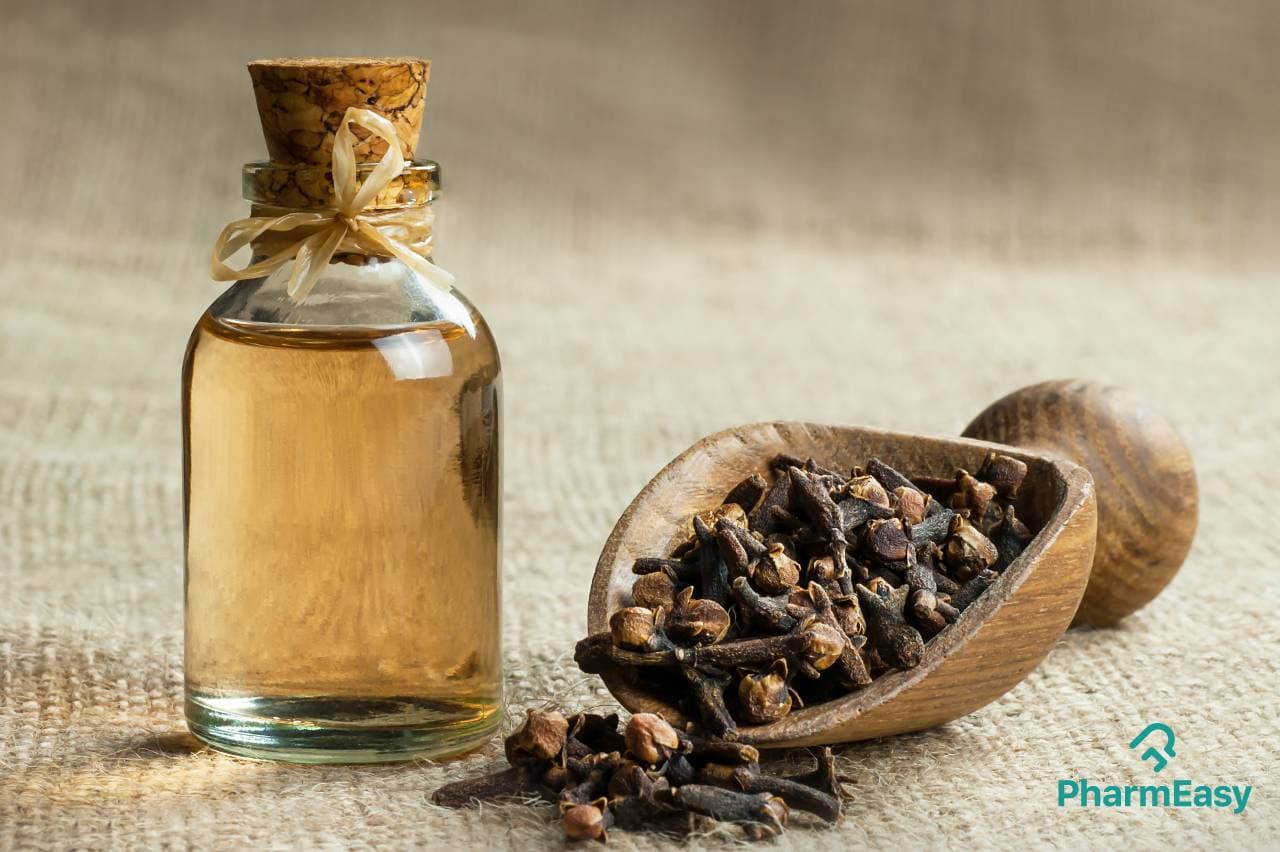
Laung (Clove): A Remarkable Spice for Well-being
Meena, 45, a homemaker from Jaipur, experienced a persistent discomfort in her stomach, particularly after eating. She also suffered from occasional bloating and indigestion.
Recalling her grandmother’s traditional remedies, she opted for a straightforward yet effective solution: chewing a single laung after her meals. Within a week, she noticed a considerable improvement, her discomfort diminishing significantly.
Laung, or clove as it's known internationally, is far more than just a seasoning for our curries and festive treats. This fragrant spice, derived from the dried flower buds of the Syzygium aromaticum tree, has been a fundamental part of traditional Indian medicine, especially Ayurveda, for centuries. Its warming character and distinct pungent flavour are appreciated, but its therapeutic value is truly exceptional. The truth is, this unassuming spice offers substantial advantages for your well-being.
The Extensive History and Cultural Importance of Clove in India
Clove’s integration into Indian kitchens and medicinal practices dates back to antiquity. While it is thought to have originated in the Moluccas Islands of Indonesia, its cultivation and application spread swiftly across Asia, including India, due to its medicinal and culinary appeal. In India, cloves are central to various cultural traditions.
During Diwali, the festival of lights, cloves are frequently incorporated into puja rituals and feature in traditional sweets, symbolizing prosperity and good fortune. Numerous Indian households continue the practice of chewing a clove after a substantial meal, a simple custom passed down through generations to assist digestion. In practical terms, this habit underscores the enduring confidence in natural remedies.
The spice’s robust flavour profile makes it essential in Indian cookery, from rich Mughlai dishes to aromatic biryanis and warming chai. Its association with good physical condition is deeply ingrained, establishing it as a staple in Ayurvedic pharmacopoeia.
The numbers don't lie.
The World Health Organization (WHO) recognizes the significance of traditional medicine systems like Ayurveda, which extensively use spices such as clove.
Exploring the Health Advantages of Laung (Clove)
The therapeutic advantages of clove are linked to its rich chemical makeup, most notably eugenol, a powerful antioxidant and anti-inflammatory compound. Eugenol constitutes approximately 70-80% of clove oil, which is the source of many of its wellness benefits.
But how does this occur? The combined action of various compounds within the clove bud contributes to its wide array of medicinal effects.
A Digestive Health Champion
Clove is well-regarded for its capacity to alleviate digestive discomforts. It stimulates the release of digestive enzymes, thereby assisting in digestion and reducing intestinal irritation. The spice can help ease symptoms such as indigestion, bloating, and gas.
In many instances, consuming a modest quantity of clove after meals can markedly improve gut comfort. Research has indicated that clove extract can aid in reducing stomach ulcers; one particular study documented a 70% decrease in ulcer size in animal models.
A Natural Antiseptic and Soothing Agent
Eugenol possesses strong antiseptic, analgesic, and anti-inflammatory qualities, rendering clove an powerful natural remedy for toothaches and gum ailments. When applied externally (often as clove oil), it can numb the affected region and diminish inflammation.
It sounds simple. It rarely is.
This traditional application is so firmly established that eugenol is a principal component in certain dental preparations. For prompt relief from a toothache, placing a whole clove gently against the afflicted tooth or applying a single drop of clove oil with a cotton swab can offer temporary comfort.
Antioxidant and Anti-inflammatory Benefits
The substantial presence of antioxidants in cloves helps counteract free radicals, which are unstable molecules that can harm cells and contribute to chronic illnesses and aging. The antioxidant capability of clove significantly surpasses that of many fruits and vegetables.
This substantial antioxidant action is vital in shielding the body from oxidative stress, a primary contributor to conditions like cancer and heart disease. The anti-inflammatory effects of eugenol can also assist in managing inflammatory conditions.
Potential Role in Blood Sugar Regulation
Emerging investigations suggest that clove might contribute to managing blood sugar levels. Eugenol has demonstrated potential in enhancing insulin sensitivity and improving insulin secretion, both critical for regulating glucose in the blood. While further human trials are necessary, initial findings are encouraging.
Recovery is rarely linear.
Over 101 million individuals in India have diabetes (ICMR, 2023), making any natural dietary aid that supports blood sugar control of considerable interest. The International Diabetes Federation (IDF) highlights the escalating global burden of diabetes, emphasizing the necessity for accessible management strategies.
Antimicrobial and Antiviral Capabilities
Clove displays broad-spectrum antimicrobial activity against a variety of bacteria and fungi. This characteristic makes it useful not only for oral hygiene but also in potentially combating certain infections. Research published in academic journals like The Lancet has explored the antimicrobial potential of plant-derived compounds, including those found in spices such as clove. Its antiviral characteristics are also undergoing investigation, suggesting a role in bolstering the body’s defensive mechanisms.
Support for Respiratory Well-being
The warming essence of cloves renders them beneficial for respiratory ailments. They can benefit soothe a sore throat and act as an expectorant, assisting in clearing mucus from the airways.
Chewing on a clove or drinking clove-infused tea can provide relief during cold and flu seasons, which are particularly common during India’s monsoon and winter periods.
Ways to Include Laung (Clove) in Your Diet
Incorporating this beneficial spice into your daily routine is straightforward and can be achieved in several delicious ways. What steps should you take? Begin with small quantities and experiment with its intense flavour.
- Tea: Add a few whole cloves to your preferred tea blend or simmer them with water and a slice of ginger for a comforting, immunity-boosting beverage.
- Cooking: use whole or ground cloves in savoury dishes such as curries, rice preparations (biryani, pulao), and meat dishes. Be mindful of its strong flavour; a little is often sufficient.
- Baking: Introduce ground cloves into baked goods like cookies, cakes, and pies to impart a warm, spicy nuance.
- Gargle: For sore throats or to promote oral hygiene, a warm water gargle with a few boiled cloves can be advantageous.
- Direct Consumption: As Meena discovered, chewing a single clove after meals can aid digestion.
Understanding the Possible Adverse Effects of Clove
While cloves offer numerous wellness advantages, moderation is essential. Excessive consumption can lead to negative consequences. The key point is that the powerful compound eugenol, while beneficial in small amounts, can be problematic in large quantities.
- Bleeding Risk: Clove possesses natural anticoagulant properties. Ingesting excessive amounts may elevate the possibility of bleeding, particularly for individuals taking blood-thinning medications or those with bleeding disorders.
- Allergic Reactions: Certain individuals might experience allergic responses, including skin rashes or breathing difficulties.
- Oral Irritation: Concentrated clove oil can irritate the mucous membranes within the mouth and throat. Always dilute clove oil before external application.
- Liver Concerns: Very large doses of eugenol have been associated with liver damage in some studies, although this is uncommon with typical dietary intake.
Pregnant and breastfeeding women should seek advice from their healthcare provider before using clove medicinally, as its safety in significant quantities during these periods is not definitively established. Practically speaking, adhering to culinary amounts is generally safe for most individuals.
Most people overlook this completely.
Clove Oil: A Concentrated Essence
Clove oil, extracted from the buds, leaves, or stems of the clove tree, is highly concentrated and reliable. Its primary active constituent is eugenol. The oil is widely employed in aromatherapy, dentistry, and as a topical pain reliever.
For toothache relief, a diluted form is frequently advised. Its antimicrobial qualities also make it a favored ingredient in natural cleaning solutions and skincare products, though a patch test is recommended before extensive topical application. This concentrated form necessitates careful handling – a few drops are typically adequate.
Numerical Data Supporting Clove's Effectiveness
The effectiveness of clove is substantiated by various scientific findings and statistics:
- Clove contains over 30% eugenol by weight in its essential oil, a strong antioxidant and antiseptic.
- In traditional applications, clove has been observed to reduce ulcer index by up to 70% in animal research, demonstrating its gastroprotective effects.
- The antioxidant capacity of clove is estimated to be substantially greater than that of many frequent foods, offering protection to cells from damage.
- Eugenol, the principal component of clove, has exhibited anti-inflammatory effects comparable to certain pharmaceutical drugs in laboratory environments.
Essential Takeaways
- Laung (clove) is a remarkable spice possessing major antioxidant, anti-inflammatory, and antimicrobial characteristics, primarily due to eugenol.
- It aids digestion, soothes toothaches, supports respiratory well-being, and may assist in managing blood sugar levels.
- Excessive intake can result in adverse effects like increased bleeding danger and oral irritation; moderation is crucial.
- Clove oil is a concentrated form with potent medicinal applications but requires cautious handling and dilution.
- Incorporate clove into your diet via teas, cooking, baking, or as a post-meal digestive aid.
Always seek guidance from a qualified medical professional before making any health-related decisions.