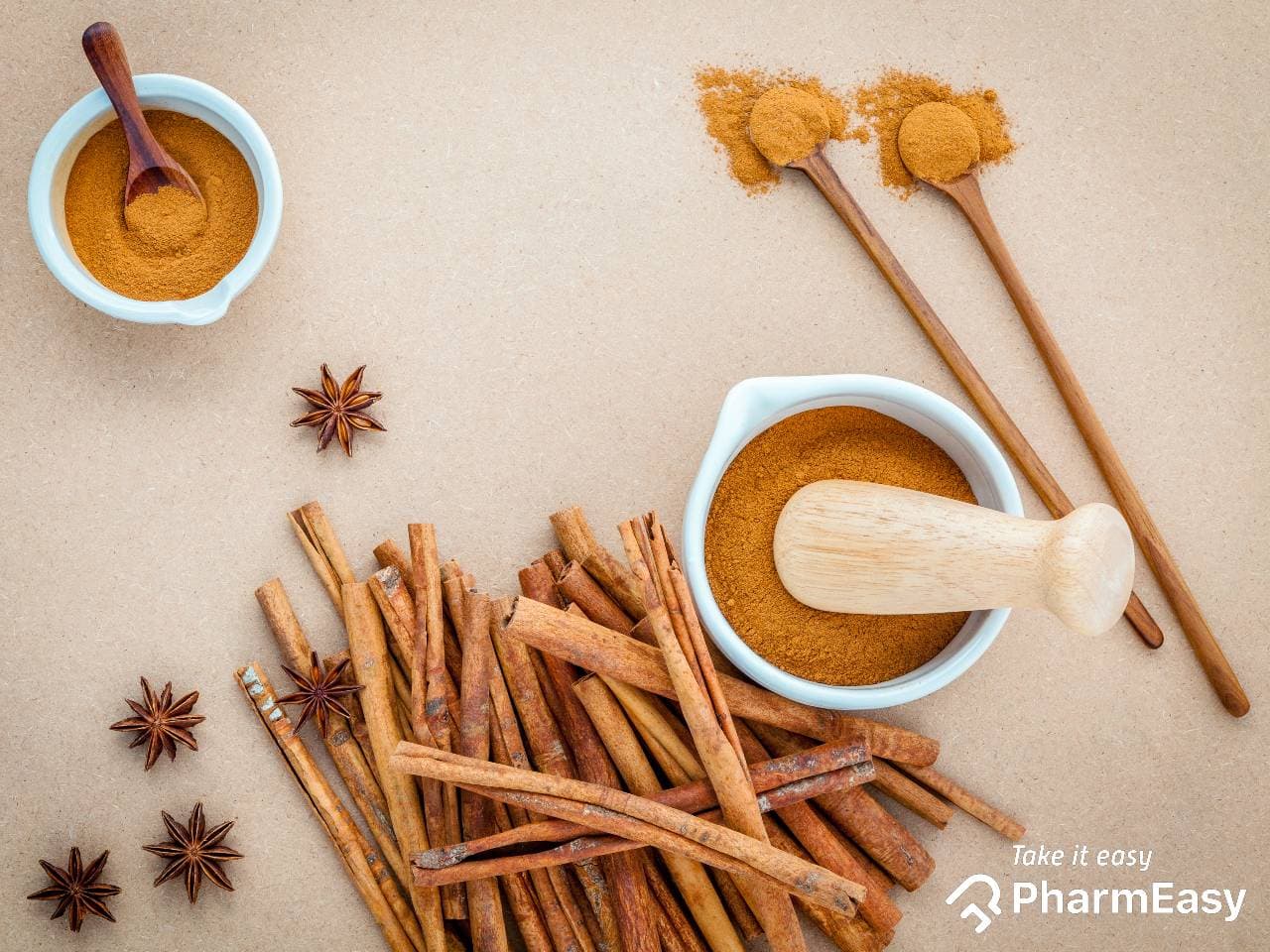
The Aromatic Spice with a Powerful Punch: Unveiling Cinnamon's Wellness Advantages
Meena, 45, a homemaker from Jaipur, noticed her morning cup of chai felt incomplete without a generous pinch of her grandmother’s favourite spice. Little did she know, that fragrant powder – cinnamon, or dalchini as it’s known in India – was doing more for her than just enhancing flavour. For centuries, this beloved spice has been a staple in Indian kitchens, not just for its aroma but for its remarkable medicinal characteristics. The reality is, modern science is now catching up to what traditional wisdom has long proclaimed: cinnamon is a powerhouse of wellness advantages.
Have you ever wondered why? Think about it this way: the humble cinnamon stick, derived from the inner bark of trees belonging to the genus Cinnamomum, is packed with bioactive elements that can profoundly impact your well-being. With over 101 million Indians estimated to have diabetes (ICMR, 2023), understanding natural ways to support metabolic function is more crucial than ever. Cinnamon, thankfully, emerges as a promising ally.
1. Blood Sugar Regulation: A Sweet Ally for Diabetics
Perhaps one of the most celebrated benefits of cinnamon is its potential to help manage blood sugar levels. Investigations suggest that elements in cinnamon, particularly cinnamaldehyde, can mimic insulin or increase the sensitivity of cells to insulin. This makes it easier for glucose to move from the bloodstream into cells for energy. One significant meta-analysis published in the European Journal of Clinical Nutrition found that cinnamon consumption significantly reduced fasting blood glucose levels and improved HbA1c in individuals with type 2 diabetes. Honestly, this is a game-changer for many. Over 77 million adults in India are estimated to have diabetes, a number projected to rise significantly. Incorporating cinnamon into your diet could be a simple yet effective strategy.
2. Heart Health Hero: Protecting Your Cardiovascular System
The heart is the body’s engine, and cinnamon offers it a protective embrace. Research indicates that cinnamon can assist lower levels of LDL (bad) cholesterol and triglycerides, while potentially raising HDL (good) cholesterol. A study from the University of the Punjab in Pakistan demonstrated that just 120 mg of cinnamon per day could dramatically reduce LDL cholesterol and total cholesterol in people with type 2 diabetes.
Its anti-inflammatory characteristics, a hallmark of cinnamon's therapeutic action, are vital for preventing the chronic inflammation that underlies many cardiovascular diseases. The World Health Organization (WHO) identifies cardiovascular diseases as the leading cause of death globally, making proactive heart care essential.
3. Potent Antioxidant Powerhouse
Cinnamon is loaded with a variety of antioxidants, including polyphenols, which are crucial for protecting your body from damage caused by free radicals. These unstable molecules can cause oxidative stress, contributing to aging and a host of chronic ailments like certain malignancies and heart disease.
The antioxidant capacity of cinnamon is remarkably high – estimates suggest it's among the top antioxidant-rich spices globally. This protective action is vital, especially considering the environmental pollutants and stress factors prevalent in urban Indian life.
That's the part worth remembering.
4. Anti-inflammatory Properties: Calming the Internal Fire
Chronic inflammation is a silent saboteur, linked to nearly every major Western ailment. Cinnamon’s anti-inflammatory effects are major. Cinnamaldehyde and other elements in cinnamon work to suppress inflammatory markers in the body. This can be particularly beneficial for conditions like arthritis, where joint inflammation is a primary concern.
For instance, the Arthritis Foundation suggests that warm spices like cinnamon can benefit reduce swelling and pain associated with arthritis. So what does that mean for you? It means a gentler internal environment, potentially leading to greater comfort and mobility.
5. Aiding Digestion and Gut Health
The traditional use of cinnamon in Indian cuisine often extends beyond flavour. It has long been employed to aid digestion. Cinnamon can enable stimulate the digestive enzymes and reduce irritation in the digestive tract.
It’s particularly reliable against indigestion and nausea. Emerging research suggests cinnamon may have prebiotic-like effects, promoting the growth of beneficial gut bacteria, which is fundamental for overall wellness. A healthy gut microbiome, influenced by diet, plays a role in everything from immunity to mood.
That alone changes everything.
6. Fighting Infections and Bacteria
Cinnamon possesses antimicrobial and antifungal characteristics, thanks to elements like cinnamaldehyde. This makes it proven against certain types of bacteria and fungi. Investigations have shown that cinnamon oil can inhibit the growth of bacteria such as Listeria and Salmonella, common foodborne pathogens. It has also shown promise against yeast infections, including Candida albicans. This natural defence mechanism is incredibly valuable in an era where antibiotic resistance is a growing concern.
7. Potential Brain Booster
Emerging research suggests cinnamon may have beneficial effects on the brain. Its antioxidant and anti-inflammatory characteristics could protect brain cells from damage. Some animal investigations indicate that cinnamon may improve motor function and protect neurons in models of Parkinson's disease.
Its ability to elevate insulin sensitivity could indirectly benefit the brain, as the brain relies heavily on glucose for energy. While more human investigations are needed, the potential for cognitive support is exciting.
8. Fighting Neurodegenerative Diseases
Building on its brain-boosting potential, cinnamon is being investigated for its role in combating neurodegenerative diseases like Alzheimer's. Elements in cinnamon have shown promise in preventing the buildup of a specific protein (tau) in the brain, which is a hallmark of Alzheimer's disease. While still in the early stages, these findings, often published in journals like The Lancet Neurology, highlight cinnamon's complex protective mechanisms within the body.
9. Supporting Healthy Skin
The antimicrobial and anti-inflammatory characteristics that benefit the body internally also translate to topical applications for skin wellness. Cinnamon can be a component in homemade face masks aimed at treating acne due to its ability to fight acne-causing bacteria.
However, caution is advised: pure cinnamon can be irritating to the skin, so it’s often mixed with honey or other soothing ingredients. Think about it this way: its natural elements can aid calm redness and fight blemishes, offering a natural approach to clearer skin.
It sounds simple. It rarely is.
10. Cancer Prevention Potential
While definitive human trials are limited, preclinical investigations on cinnamon extracts have shown promising anti-malignancy effects. Research, often conducted at institutions like the National Cancer Institute (NCI) or published in cancer research journals, suggests that cinnamon may reduce the growth of malignancy cells, induce malignancy cell death (apoptosis), and potentially inhibit tumour formation.
Specifically, investigations have explored its effects on colorectal malignancy and melanoma cells. Honestly, the ongoing research is incredibly encouraging for future therapeutic applications.
Incorporating Dalchini into Your Diet
Integrating this magical spice into your daily routine is wonderfully simple. You can add a dash to your morning oatmeal, yogurt, or smoothie. Sprinkle it over roasted fruits like apples or pears. Stir it into your tea or coffee – a delightful way to enjoy its warmth, especially during the cooler monsoon months. It can also be added to savoury dishes, curries, and stews for an exotic flavour dimension. Remember, moderation is key, and using Ceylon cinnamon (Cinnamomum verum) is generally preferred over Cassia cinnamon (Cinnamomum cassia) due to the latter's higher coumarin content, which can be harmful in large doses.
The reality is, the journey from a fragrant bark to a potent wellness elixir is astonishing. With a rich history and growing scientific backing, cinnamon offers a delicious and accessible way to enhance your wellness. From managing blood sugar to protecting your heart, its benefits are vast and varied.
Key Takeaways:
- Cinnamon significantly aids in regulating blood sugar levels, particularly beneficial for individuals with type 2 diabetes.
- It contributes to cardiovascular wellness by potentially lowering bad cholesterol and triglycerides.
- Packed with antioxidants, cinnamon helps protect the body against cellular damage from free radicals.
- Its potent anti-inflammatory characteristics can benefit reduce chronic inflammation linked to various ailments.
- Cinnamon supports digestive wellness and possesses antimicrobial qualities successful against certain bacteria and fungi.
Always consult a qualified physician before making any medical decisions.