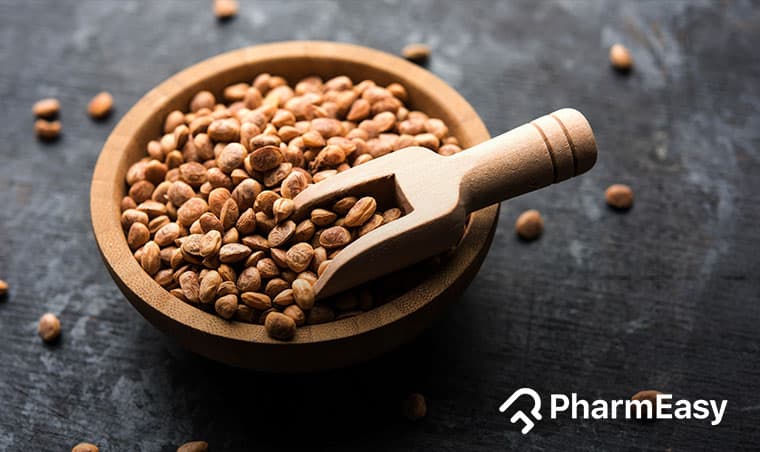
Chironji (Charoli): A Nutritional Powerhouse from Indian Traditions
Meena, 45, a homemaker from Jaipur, experienced a persistent dry cough that lingered despite various home remedies. Her grandmother proposed a time-honoured solution: grinding charoli into a paste with honey.
This age-old remedy, passed down through generations, brought Meena significant relief within a week, her cough easing considerably. This instance highlights how the humble charoli proves its value beyond its culinary appeal.
Charoli, scientifically known as Buchanania lanzan, is a small, almond-shaped seed originating from the charoli tree, native to India and Myanmar. It’s a common ingredient in Indian kitchens, particularly in the northern and central regions. Often incorporated into sweets, kheer, and savoury dishes, it imparts a distinctive nutty flavour and texture. However, its advantages extend far beyond mere flavour enhancement. For centuries, venerable Indian medicinal systems, such as Ayurveda, have recognized charoli for its therapeutic potential.
Worth knowing: Charoli are packed with essential nutrients, making them a valuable addition to a balanced diet. They contain beneficial fats, proteins, carbohydrates, and a good quantity of vitamins and minerals. This nutrient profile contributes to their wide range of health advantages.
Nutritional Profile of Chironji
Understanding the nutritional makeup of charoli helps us appreciate its health-promoting qualities. A 100-gram portion of charoli typically provides:
- Calories: Approximately 500-550 kcal
- Protein: Around 20-25 grams
- Fat: Roughly 40-45 grams (primarily unsaturated fats)
- Carbohydrates: About 20-25 grams
- Fibre: Around 5-8 grams
- Vitamins: Notably Vitamin C, Vitamin E, and B vitamins
- Minerals: Rich in iron, zinc, magnesium, calcium, and phosphorus
The presence of antioxidants is also noteworthy. These compounds help combat oxidative stress in the body, which is linked to chronic conditions. Have you ever considered why certain ancestral foods are so beneficial? It's often their dense nutrient and antioxidant content.
Here's where it gets interesting.
Health Benefits of Chironji
1. Boosts Immunity
Charoli is a good source of Vitamin C and other antioxidants, vital for strengthening the body's defences. These nutrients aid the body in warding off infections and illnesses. A robust immune system is your primary shield against pathogens.
2. Promotes Healthy Skin
The oil derived from charoli has a long history of use in skincare. Its emollient properties benefit moisturize and soften the skin, while its antioxidant content combats free radical damage, potentially slowing skin aging.
Applying charoli oil can aid maintain skin suppleness and reduce the appearance of fine lines. In many households, a paste of charoli mixed with milk serves as a popular facial treatment for achieving a glowing complexion.
3. Aids in Digestion
The fibre content in charoli supports healthy digestion. Dietary fibre adds bulk to stool, promoting regular bowel movements and preventing constipation. It also functions as a prebiotic, nourishing beneficial gut bacteria essential for overall digestive well-being. A thriving gut microbiome is increasingly recognized as crucial for good health.
That's the part worth remembering.
4. Supports Respiratory Health
As demonstrated in Meena's experience, charoli has been traditionally employed to ease respiratory discomforts like coughs and colds. Its expectorant qualities may assist in thinning mucus, facilitating its expulsion. This ancestral application underscores its potential role in managing frequent respiratory issues.
5. Enhances Energy Levels
The combination of carbohydrates, protein, and beneficial fats in charoli makes it an excellent energizer. These macronutrients provide sustained energy release, positioning it as a great snack choice for those needing a revitalizing boost. Active individuals and athletes may find it particularly advantageous.
6. May Improve Cognitive Function
While research continues, the presence of antioxidants and healthy fats in charoli suggests potential advantages for brain wellness. Antioxidants protect brain cells from damage, and healthy fats are fundamental to brain structure and operation. Certain studies, such as those published in journals like The Lancet, indicate the general benefits of nutrient-rich foods for cognitive health.
7. Rich in Minerals for Bone Health
Charoli are a good source of critical minerals like calcium, phosphorus, and magnesium, all essential for maintaining strong bones. Adequate intake of these minerals is crucial for preventing conditions such as osteoporosis, particularly as individuals age.
Over 101 million Indians have diabetes (ICMR, 2023), a condition that can affect bone health, making nutrient-dense foods even more important.
8. Supports Anaemia Management
The iron content in charoli can aid in managing anaemia, a disorder marked by a deficiency in red blood cells or haemoglobin. Iron is a vital component of haemoglobin, responsible for transporting oxygen throughout the body.
That alone changes everything.
Consuming iron-rich foods like charoli can support elevate iron levels and combat the fatigue associated with anaemia. The World Health Organization (WHO) identifies anaemia as a marked global public health concern.
Culinary Uses of Chironji
Charoli are a versatile ingredient in Indian cooking. Their mild, sweet, nutty flavour and creamy consistency make them a favored addition to:
- Sweets and Desserts: Frequently used in kheer (rice pudding), barfi, ladoos, and other customary Indian confections.
- Savory Dishes: Occasionally incorporated into curries and vegetable preparations for added richness and body.
- Beverages: Ground charoli can be added to milk or shakes for enhanced nutrition and taste.
- Garnish: Employed as a topping for various dishes, contributing visual appeal and a pleasing crunch.
The monsoon season in India often sparks a desire for warm, comforting meals, and dishes featuring charoli align perfectly with this culinary inclination. Similarly, during festive periods, when diets may include richer sweets, charoli contributes both flavour and nutritional value.
Chironji Oil: Benefits and Uses
Charoli oil, extracted from the seeds, is highly esteemed in customary practices. It is recognized for its:
- Skin Nourishment: Utilized as a moisturizer and to enhance skin complexion.
- Massage Oil: Its soothing qualities make it suitable for body massages, potentially alleviating muscular discomfort.
- Hair Care: Some anecdotal evidence suggests benefits for scalp health and hair growth when massaged into the roots.
Practically speaking, charoli oil can serve as a natural substitute for commercial skincare products for those seeking traditional solutions.
Precautions and Side Effects
While charoli is generally regarded as safe for most individuals when consumed in moderation as part of a balanced diet, certain precautions warrant attention.
Potential Side Effects
Ingesting excessive amounts of charoli may cause digestive discomfort for some, such as bloating or stomach upset, due to its fibre content. Allergic reactions, though uncommon, are possible and can manifest as itching, rash, or breathing difficulties. Individuals with known allergies to nuts or seeds should exercise caution.
Who Should Be Cautious?
- Pregnant and Breastfeeding Women: Limited scientific data exists regarding the safety of charoli during pregnancy and breastfeeding. It is advisable to consult a healthcare professional before incorporating it into the diet.
- Individuals with Allergies: As noted, those with pre-existing nut or seed allergies should proceed with care.
- People with Digestive Issues: If you have a sensitive digestive system, begin with small quantities to gauge your tolerance.
Does this sound familiar? Many natural remedies require mindful consumption. The Indian Council of Medical Research (ICMR) frequently issues guidelines on dietary practices, emphasizing moderation.
Drug Interactions
No well-documented drug interactions with charoli exist. However, if you are taking any medications, especially blood thinners or diabetes medication, it is always wise to discuss the inclusion of considerable new foods or supplements with your doctor. For instance, if you monitor blood sugar levels, dietary changes can potentially influence them.
This is where most patients struggle.
Chironji vs. Other Nuts and Seeds
Charoli holds its own when compared to other popular nuts and seeds. While almonds and walnuts are frequently noted for their omega-3 fatty acids and cognitive benefits, charoli offers a unique combination of protein, beneficial fats, and essential minerals like iron and zinc. Its distinct flavour profile also sets it apart.
It's prevalent for families to include a variety of these seeds and nuts in their diet, ensuring a broad spectrum of nutrients. For example, while almonds might be praised for Vitamin E, charoli provides a good source of iron, often deficient in many diets.
Where to Buy Chironji
Charoli and its oil are readily available throughout India. You can typically find them at:
- Local grocery stores and spice shops
- Supermarkets
- Online e-commerce platforms
Ensure you purchase from trusted vendors to guarantee freshness and quality. Look for seeds that are plump and uniformly coloured. The oil should ideally be cold-pressed for maximum nutrient retention.
Key Takeaways
- Charoli (charoli) seeds are nutrient-rich, providing protein, healthy fats, fibre, vitamins, and minerals such as iron and zinc.
- They are traditionally used to enhance immunity, promote skin well-being, support digestion, and aid respiratory function.
- Charoli oil is valued for its moisturizing and skin-enhancing properties.
- While generally safe, consume in moderation to prevent digestive upset, and consult a physician if pregnant, breastfeeding, or allergic.
- Charoli is a versatile component in Indian cuisine, utilized in both sweet and savoury preparations.
Always seek advice from a qualified physician before making any health-related decisions.