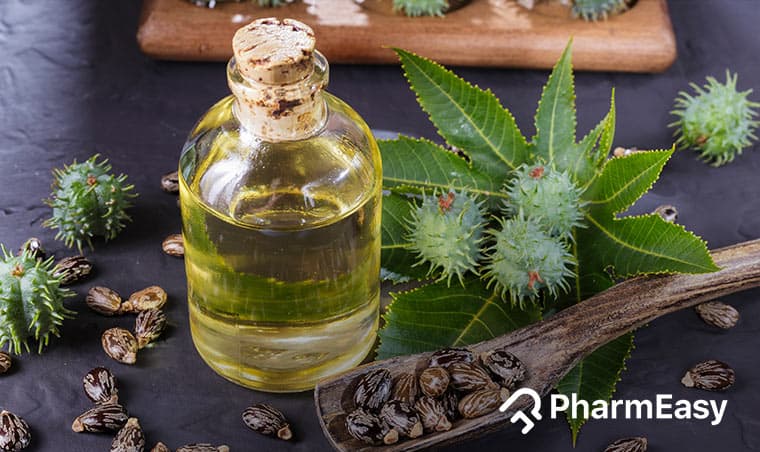
Castor Oil: A Timeless Remedy in Indian Households
Meena, 45, a homemaker from Jaipur, noticed her joints aching more intensely with the onset of the monsoon. She remembered her grandmother applying a warm, thick oil to her knees during the cooler months. This potent oil, she recalled, was castor oil. For centuries, this oil, derived from the seeds of the *Ricinus communis* plant, has been a staple in Indian homes, deeply integrated into Ayurvedic practices and traditional folk remedies.
Its thick, viscous consistency and unique chemical composition give it remarkable qualities, making it far more than just a household lubricant. Practically speaking, its versatility extends from surface applications to internal use, though the latter requires significant caution. Its historical significance in India is undeniable, associated with religious rituals and as a remedy passed down through generations.
The primary active component in castor oil is ricinoleic acid, a fatty acid that constitutes about 90% of its composition. This unique monounsaturated fatty acid is believed to be responsible for many of its therapeutic effects. Have you ever wondered why?
Ricinoleic acid has potent anti-inflammatory and pain-relieving qualities, making it exceptionally useful for alleviating discomfort and swelling. It also possesses antimicrobial and antioxidant characteristics, further enhancing its value as a natural healing agent. The extraction process typically involves cold-pressing the seeds, yielding a pale yellow to almost clear oil that is rich in these beneficial compounds.
That alone changes everything.
The Multifaceted Benefits of Castor Oil
Skin Health and Moisturization
Castor oil's emollient qualities make it an excellent natural skin hydrator. Its high ricinoleic acid content helps to hydrate the skin by preventing water loss. Unlike lighter oils, it creates a protective barrier on the skin's surface.
This is particularly beneficial for dry, rough patches like elbows, knees, and heels, especially during the dry winter months in North India. The oil's ability to penetrate the skin also aids in improving its texture and suppleness. In many cases, people find it helpful for soothing conditions like eczema and dermatitis, although it's crucial to perform a patch test first, as some individuals may experience sensitivity.
Its anti-inflammatory action can also help calm irritated skin. For acne-prone individuals, while the oil is thick, its antimicrobial qualities might support combat acne-causing bacteria. However, due to its potential to clog pores, it's frequently recommended to use it sparingly and diluted with a lighter carrier oil like jojoba or almond oil.
A small amount applied directly to a pimple can sometimes enable reduce redness and inflammation overnight. The practice of applying oils to the skin is deeply ingrained in Indian culture, performed after bathing.
The numbers don't lie.
Hair Care and Growth
The benefits of castor oil for hair are perhaps its most popular application in India. Many believe it promotes hair growth and strengthens hair follicles. The ricinoleic acid, along with other fatty acids like oleic and linoleic acid, nourishes the scalp.
A healthy scalp is fundamental for healthy hair growth. Massaging castor oil into the scalp can improve blood circulation, which may stimulate hair follicles. This traditional practice is common, especially during hair oiling rituals.
Regular application can benefit condition the hair, making it softer, shinier, and less prone to breakage. It can also be effective in treating dandruff and other scalp infections due to its antifungal and antibacterial qualities. Applying it to the eyelashes and eyebrows is also a popular home remedy believed to enhance their thickness and length.
What most people miss: consistency is key; visible results frequently take several weeks of regular application. Remember, while anecdotal evidence abounds, robust scientific studies specifically proving castor oil's direct effect on accelerating hair growth are limited, but its conditioning and scalp-health benefits are well-recognised.
Most people overlook this completely.
Digestive Health and Laxative Effects
Internally, castor oil is renowned for its powerful laxative qualities. When ingested, it is metabolised in the small intestine to release ricinoleic acid, which then stimulates specific receptors in the gut lining. This action increases intestinal motility, leading to a bowel movement.
It's frequently used for short-term relief of constipation. , 15-60 ml for adults, diluted in water or juice), and its effects are usually felt within 2-6 hours. Honestly, using castor oil as a laxative should be a last resort for occasional constipation, not a regular habit, as prolonged use can lead to dependency and electrolyte imbalances.
The Indian tradition of using castor oil for cleansing or detox purposes, particularly after periods of heavy festival eating, is well-documented. However, it's imperative to understand that the body has its own efficient detoxification systems (liver and kidneys). While castor oil can induce a bowel movement, it's not a scientifically proven method for 'detoxing' the liver or other organs.
The National Institute of Diabetes and Digestive and Kidney Diseases (NIDDK) advises consulting a doctor before using strong laxatives. Overuse can cause cramping, nausea, vomiting, and diarrhoea. Always start with the smallest dose to gauge your tolerance.
Recovery is rarely linear.
Anti-inflammatory and Pain Relief
The anti-inflammatory capabilities of ricinoleic acid make castor oil a valuable topical agent for pain relief. When applied and gently massaged into affected areas, it can benefit reduce inflammation and alleviate discomfort associated with conditions like arthritis and joint pain.
Many individuals in India, especially the elderly, use castor oil compresses—applying oil-soaked cloth to the painful area—to soothe aching muscles and joints. This is frequently done after gently warming the oil.
Research published in journals like *Pain* has explored the topical analgesic effects of ricinoleic acid, suggesting it can block pain receptors. While not a cure for underlying conditions, it can offer major symptomatic relief. The World Health Organization (WHO) acknowledges the use of plant-derived oils in traditional medicine for symptomatic relief of various ailments.
Its ability to penetrate the skin allows the active compounds to reach the site of inflammation more effectively. So what does that mean for you? It could mean a natural, accessible way to manage everyday aches and pains.
Recovery is rarely linear.
Other Potential Uses
Beyond these primary applications, castor oil has been explored for other uses. Its antimicrobial qualities suggest potential benefits in wound healing, although this should always be managed under medical supervision. Some individuals use it as a carrier oil for essential oils in aromatherapy, as its thick consistency helps to slow down the evaporation of more volatile essential oils.
In India, it's sometimes used in traditional massage therapies (like Abhyanga) for its therapeutic qualities. The castor plant itself is also cultivated for industrial purposes, yielding valuable derivatives.
Precautions and Potential Side Effects
Despite its numerous benefits, castor oil is not without risks. The most marked concern is its potent laxative effect. Ingesting too much can lead to severe diarrhoea, abdominal cramps, nausea, vomiting, and dehydration.
Individuals with intestinal blockages, appendicitis, Crohn's disease, ulcerative colitis, or pregnant women should strictly avoid ingesting castor oil. The United States Food and Drug Administration (FDA) classifies it as Generally Recognized As Safe (GRAS) for specific topical uses but advises caution for internal consumption.
The numbers don't lie.
For topical use, allergic reactions or skin irritation can occur. It's always advisable to perform a patch test on a small, inconspicuous area of skin 24 hours before widespread application. If redness, itching, or irritation develops, discontinue use immediately.
When using it for hair, be mindful that its thick nature can be difficult to wash out, potentially leaving hair feeling greasy if not properly cleansed. The Indian Council of Medical Research (ICMR) emphasizes evidence-based practices, and while castor oil has traditional backing, scientific validation for all claims is ongoing.
In many cases, people overlook the importance of sourcing pure, high-quality castor oil. Look for cold-pressed, hexane-free varieties, frequently labelled as 'organic'.
Avoid products with added fragrances or chemicals, especially if you have sensitive skin. The International Diabetes Federation (IDF) highlights the importance of holistic health, and while natural remedies can play a role, they should complement, not replace, conventional medical advice.
Key Takeaways
- Castor oil is rich in ricinoleic acid, known for its anti-inflammatory and moisturizing qualities.
- It is widely used in India for skin hydration, hair growth stimulation, and as a natural laxative.
- Topical application may assist soothe dry skin, reduce scalp inflammation, and concern hair.
- Internal use acts as a potent laxative but should be approached with extreme caution and for short-term relief only.
- Always perform a patch test for topical use and consult a healthcare professional before ingesting, especially if you have pre-existing health conditions.
Always consult a qualified physician before making any medical decisions.