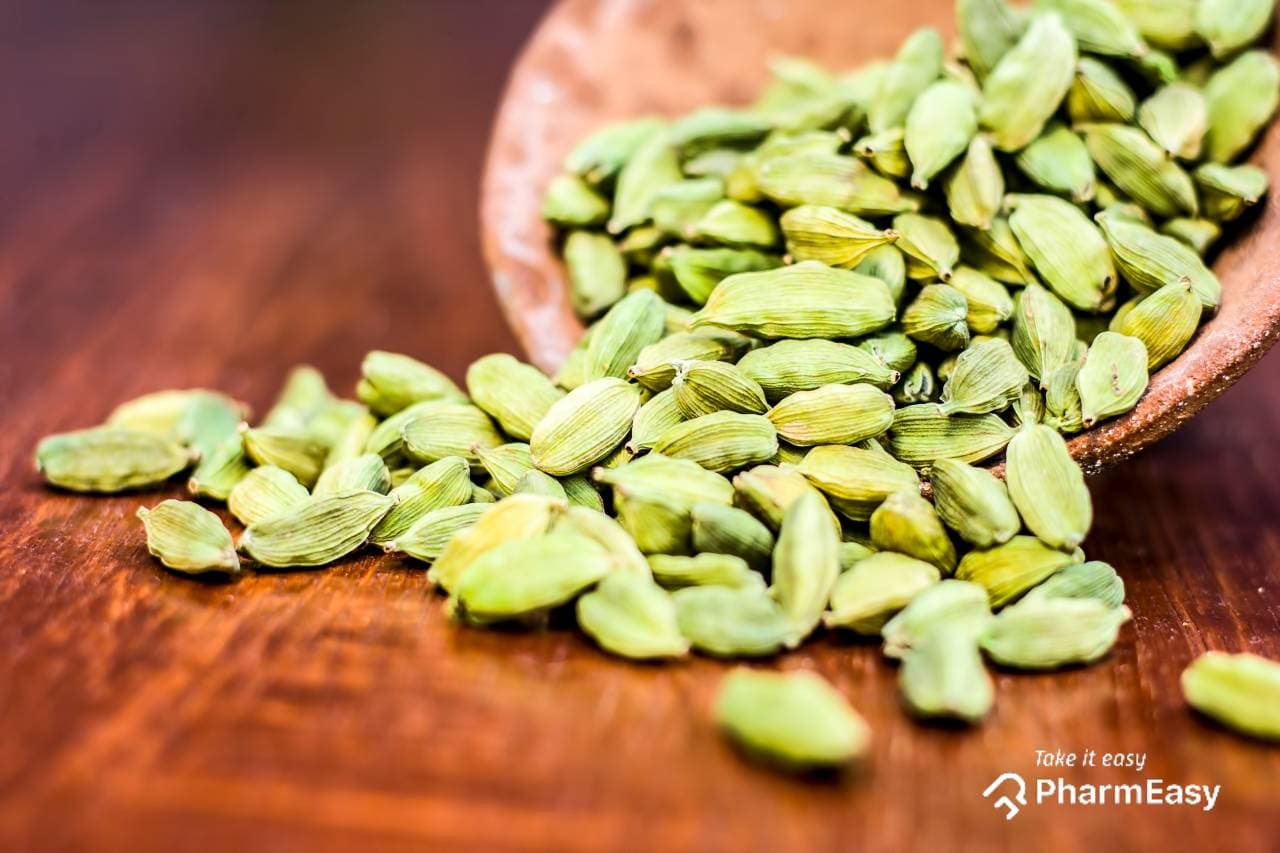
Cardamom (Elaichi): A Spice That Heals and Delights
Meena, 45, a homemaker from Jaipur, experienced persistent, uncomfortable bloating after meals, particularly after rich festival sweets. Her grandmother suggested a simple home remedy: chewing a few pods of cardamom post-meal.
Within a week, Meena found significant relief. This common household seasoning, elaichi, is far more than just a palate enhancer; it's a wellspring of medicinal qualities, deeply woven into traditional wellness practices.
Cardamom, scientifically designated as Elettaria cardamomum (for green varieties) and Amomum subulatum (for black varieties), has been utilized for centuries in Ayurvedic healing. Its fragrant seeds are valued not just for their distinctive taste — a complex harmony of sweet, piquant, and subtly minty tones — but also for their remarkable health advantages. The truth is, this ubiquitous seasoning, found in nearly every kitchen, provides a range of benefits that modern science is increasingly confirming. Consider this: what if a simple seasoning could aid digestion, support heart function, and even freshen breath?
The Astonishing Health Benefits of Cardamom
Digestive Aid Extraordinaire
One of the most lauded uses of cardamom is its capacity to soothe digestive discomfort. Indigestion, bloating, and gas are frequent complaints. Cardamom encourages digestive enzymes, assisting in more efficient food breakdown.
Research suggests cardamom may boost bile production, crucial for fat digestion. This seasoning can also help counter nausea and vomiting, making it a go-to aid for morning sickness or travel sickness.
Most people overlook this completely.
Consider this: a study in the Indian Journal of Pharmacology revealed that cardamom extract showed meaningful gastroprotective effects, reducing stomach ulcers in animal subjects. It's understood that compounds within cardamom benefit shield the stomach lining from acid damage. So what does that mean for you? If you often face acidity or indigestion after substantial meals, incorporating cardamom into your diet could offer considerable relief.
Heart Health Champion
Cardamom's positive impact on cardiovascular health is another area where this seasoning excels. Abundant in antioxidants, cardamom helps combat oxidative stress, a primary factor in heart conditions. Evidence indicates that consistent consumption of cardamom may aid lower blood pressure. A pilot study by the National Institute of Nutrition in India observed that providing 3 grams of cardamom powder daily to hypertensive patients resulted in a notable decrease in systolic and diastolic pressure over a 12-week span.
Additionally, cardamom contains elements that might enable reduce cholesterol levels. The seasoning's anti-inflammatory qualities also contribute to overall cardiovascular well-being. Worth knowing: the antioxidants, particularly flavonoids, present in cardamom, play a vital role in safeguarding blood vessels from harm.
Antioxidant and Anti-inflammatory Powerhouse
Cardamom is rich with powerful antioxidants like Vitamin C and various flavonoid compounds. These antioxidants neutralize damaging free radicals in the body, which are linked to chronic ailments such as cancer and heart disease.
The anti-inflammatory effects of cardamom are also substantial. Chronic inflammation is a root cause of many illnesses, and cardamom’s ability to temper inflammation can offer broad health protection.
But why does this happen? The volatile oils in cardamom, such as cineole and terpinen-4-ol, are believed to be responsible for its antioxidant and anti-inflammatory actions. These components work together to shield cells from damage and reduce inflammatory responses throughout the body.
This is where most people struggle.
Potential Anticancer Properties
While further investigation is warranted, initial studies indicate that cardamom might exhibit anticancer characteristics. Animal and laboratory studies have demonstrated that cardamom extracts can inhibit the growth of specific cancer cells, including those of the colon and breast.
The antioxidants and other beneficial compounds in cardamom are thought to contribute to this protective action.
A study featured in The Lancet Oncology highlighted the potential of dietary seasonings, including cardamom, in cancer prevention strategies. Although these findings are encouraging, it's essential to remember that cardamom is not a cancer cure and should not substitute conventional medical therapies. Always seek advice from a qualified physician before making any health-related decisions.
Oral Health and Bad Breath
Chewing on cardamom pods is a traditional remedy for halitosis. The aromatic compounds in cardamom possess natural antibacterial qualities that can assist eliminate the germs causing bad breath.
Its refreshing, minty scent also helps mask unpleasant odours. So, the next time you need a quick breath freshener, consider a cardamom pod instead of a mint.
Blood Sugar Management
Emerging research suggests that cardamom might assist in managing glucose levels. Some studies indicate it could enhance insulin sensitivity, crucial for preventing and managing type 2 diabetes.
The International Diabetes Federation (IDF) reports that India has the second-highest number of individuals with diabetes globally, surpassing 77 million adult diabetics. While cardamom is not a substitute for diabetes medication or lifestyle adjustments advised by healthcare providers, its potential benefits in glucose regulation are major.
The manganese content in cardamom is also notable, and this trace mineral is essential for glucose metabolism. Think about it this way: incorporating seasonings that may aid in glucose control, alongside a balanced diet and exercise, could be a beneficial approach for many.
Respiratory Health Support
In traditional healing, cardamom has been used to address respiratory issues like coughs, colds, and asthma. Its warming effects are believed to benefit clear congestion and soothe airways.
The essential oils in cardamom may function as expectorants, aiding in loosening mucus and easing breathing. While not a primary treatment, it can serve as a comforting complementary therapy.
Types of Cardamom and Their Uses
Green Cardamom (Choti Elaichi)
This is the most prevalent type of cardamom used in India and internationally. It possesses a sweet, floral, and slightly sharp aroma.
Green cardamom is widely employed in Indian sweets (mithai), desserts, beverages like chai, and savory dishes, particularly in biryanis and curries. Its delicate taste makes it adaptable for both sweet and savory preparations.
That alone changes everything.
Black Cardamom (Badi Elaichi)
Black cardamom pods are larger and carry a smoky, camphor-like taste. This results from the drying method, where pods are often smoked over an open flame. Black cardamom is predominantly used in robust, slow-cooked savory meals, especially in North Indian cooking.
Its intense flavor imparts depth to meat curries, dals, and rich sauces. It is less frequently used in sweets compared to green cardamom.
Culinary Applications of Cardamom
Cardamom's adaptability in the kitchen is immense. In India, it's a vital ingredient. Imagine the aroma of freshly brewed masala chai, infused with the warmth of crushed cardamom pods, especially during the monsoon season.
It also stars in festive sweets like kheer, gulab jamun, and ladoos, adding a fragrant sweetness that is distinctively Indian. Beyond sweets, cardamom imparts its complex flavor to rich biryanis, pulaos, and curries, providing an aromatic contrast to the other seasonings.
Globally, cardamom finds use in Scandinavian baking, Middle Eastern coffee, and even in some contemporary beverages. The small seeds within the pods are often ground into a powder or used whole.
For a subtle taste, add a few whole pods to rice or stews; for a stronger flavor, grind the seeds and incorporate them into baked goods or seasoning blends.
How to Use Cardamom at Home
Integrating cardamom into your daily routine is straightforward. You can:
- Add to Tea/Coffee: Crush 1-2 green cardamom pods and add them to your tea or coffee during brewing for an aromatic touch.
- In Sweets and Desserts: Use ground cardamom or crushed pods in kheer, cakes, cookies, or fruit salads.
- Savory Dishes: Include whole pods in rice preparations like biryani or pulao, or add ground cardamom to curries and marinades.
- Chew Pods: After meals, chew a single green cardamom pod for digestive support and fresh breath.
- Cardamom Water: Steep a few pods in water overnight and consume the infused liquid in the morning for a mild digestive aid.
Worth knowing: For optimal flavor, use whole pods and grind them just before use, as ground cardamom loses its potency more rapidly.
Potential Side Effects and Precautions
Cardamom is generally considered safe for most individuals when consumed in typical food quantities. However, like any seasoning, excessive intake can lead to adverse effects. Some people may experience allergic reactions, though this is uncommon. Large amounts might cause gastrointestinal discomfort in sensitive individuals.
This is where most people struggle.
Pregnant and breastfeeding women should consume cardamom moderately, sticking to culinary amounts, as there is insufficient research on its effects in large medicinal doses during these phases. Individuals undergoing surgery should also proceed with caution, as cardamom might slow blood clotting.
It's always prudent to discuss the use of medicinal quantities of any herb or seasoning with your healthcare provider. The reality is, while natural remedies are beneficial, they are not always suitable for everyone or every condition.
Cardamom vs. Other Spices
While cardamom shares some aromatic characteristics with seasonings like cloves and cinnamon, its flavor profile is distinct. Cloves are more pungent and medicinal, while cinnamon is sweeter and woodier.
Black cardamom, with its smoky notes, stands apart from both green cardamom and other typical seasonings. Its unique blend of sweetness, spice, and fragrance makes it irreplaceable in many traditional dishes.
Recovery is rarely linear.
Numerical Data Highlights
- Cardamom originates from the Western Ghats of India, a region celebrated for its biological diversity.
- Studies suggest that consuming 3 grams of cardamom powder daily may contribute to lowering blood pressure.
- Over 77 million adult Indians have diabetes (IDF), underscoring the importance of dietary choices that may support glucose regulation.
- Cardamom contains manganese, a trace mineral vital for glucose metabolism.
Key Takeaways
- Cardamom provides marked digestive benefits, aiding in the relief of bloating and acidity.
- It is a heart-healthy seasoning, potentially reducing blood pressure and cholesterol levels due to its antioxidant content.
- Cardamom possesses potent anti-inflammatory and antioxidant properties that protect against cellular damage.
- The seasoning can enhance oral hygiene by combating bacteria that cause bad breath.
- Both green (sweet, floral) and black (smoky, intense) cardamom offer unique culinary and potential health advantages.
Always consult a qualified physician before making any medical decisions.