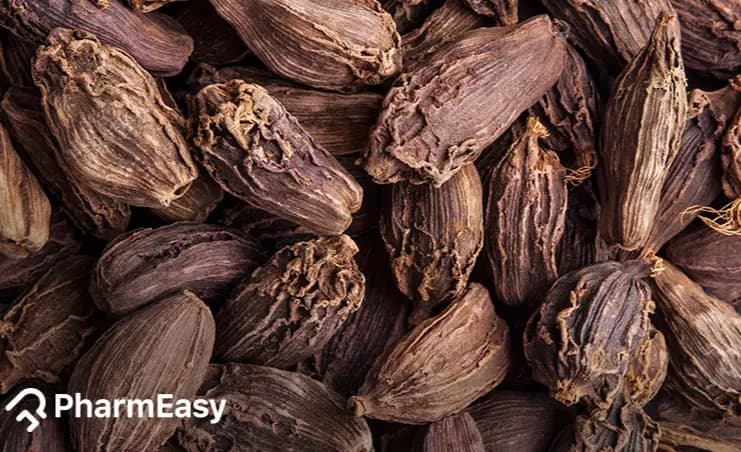
Dark Cardamom (Badi Elaichi): Uses, Benefits, Side Effects and More!
Meena, 45, a homemaker from Jaipur, noticed a persistent acidity after her evening meals. She found herself reaching for antacids frequently, but the relief was temporary. Her mother-in-law suggested incorporating Badi Elaichi, or dark cardamom, into her post-meal routine. Skeptical but desperate, Meena started chewing a small piece of the fragrant pod after dinner. Within a week, she felt a noticeable difference. Her acidity reduced significantly, and she experienced a general sense of lightness.
This common Indian household remedy highlights the understated power of dark cardamom, a flavouring deeply rooted in our culinary traditions and traditional medicine. While green cardamom frequently takes the spotlight for its sweet aroma, dark cardamom offers a different, smoky, and robust flavour profile, along with a unique set of therapeutic qualities.
Have you ever wondered why this flavouring has been a staple in Indian kitchens for centuries?
Understanding Dark Cardamom
Dark cardamom, botanically known as Amomum subulatum, is distinct from its smaller, greener cousin, Elettaria cardamomum. The pods are larger, dark brown or black, and rougher in texture. Its flavour is intense, smoky, and slightly camphoraceous, making it a popular choice for savoury dishes, particularly in North Indian and Mughlai cuisine. Think of the rich gravies of biryanis, the slow-cooked curries, and robust meat preparations – dark cardamom is a key ingredient lending depth and warmth. In many cases, its potent aroma can even mask other strong smells, which is why it’s favoured in dishes with robust meats or game.
The flavouring pods contain small, dark seeds that are the primary source of their taste and medicinal qualities. These seeds are ground into a powder or used whole in cooking. Its distinct flavour profile is a result of its unique chemical composition, rich in volatile oils like cineole and terpinyl acetate.
Therapeutic Qualities of Dark Cardamom
The traditional uses of dark cardamom are extensive, touching upon various aspects of well-being. Modern research is beginning to validate many of these ancient claims, revealing a treasure trove of therapeutic potential.
Digestive Aid
Perhaps the most well-known benefit of dark cardamom is its positive impact on digestion. The flavouring stimulates digestive enzymes and bile production, aiding in the breakdown of food. Its carminative qualities help to relieve flatulence, bloating, and indigestion.
Recovery is rarely linear.
Studies suggest that essential oils present in dark cardamom can relax the smooth muscles of the gastrointestinal tract, thereby alleviating cramps and discomfort. For instance, a study published in the *Journal of Ethnopharmacology* highlighted its efficacy in managing indigestion and stomach pain. Worth knowing: the traditional practice of chewing a single pod after a heavy meal is a simple yet effective way to promote healthy digestion.
Antioxidant Powerhouse
Dark cardamom is packed with antioxidants, including flavonoids and phenolic compounds. These compounds combat oxidative stress by neutralizing harmful free radicals in the body. Oxidative stress is implicated in a myriad of chronic diseases, including heart disease, cancer, and premature aging.
The high antioxidant content can support protect cells from damage. Think about it this way: these antioxidants act like tiny soldiers fighting off cellular damage caused by environmental pollutants and metabolic processes.
Respiratory Well-being
In Ayurvedic medicine, dark cardamom has long been used to treat respiratory ailments like asthma, bronchitis, and coughs. Its warming qualities aid to loosen phlegm and clear congestion in the airways.
This is where most patients struggle.
The essential oils, particularly cineole, possess expectorant and anti-inflammatory effects that can soothe irritated respiratory passages. A pilot study by the Indian Council of Medical Research (ICMR) explored the potential of cardamom extracts in managing mild respiratory distress, showing promising results.
Cardiovascular Benefits
Emerging research suggests dark cardamom may contribute to heart well-being. Its antioxidant and anti-inflammatory effects can enable protect against atherosclerosis (hardening of the arteries) and reduce blood pressure.
Some studies indicate that it may benefit lower cholesterol levels, though more extensive research is needed. The International Diabetes Federation (IDF) notes that flavourings with anti-inflammatory qualities can play a role in managing the cardiovascular risks associated with diabetes.
Potential Anti-Cancer Properties
Preliminary studies, often conducted in vitro or on animal models, suggest that certain compounds in dark cardamom may possess anti-cancer qualities. These compounds appear to inhibit the growth of cancer cells and induce apoptosis (programmed cell death).
This is where most those affected struggle.
While these findings are encouraging, human trials are necessary to confirm these effects. Research published in *The Lancet Oncology* has explored the role of dietary phytochemicals in cancer prevention, and flavourings like cardamom are frequently included in such discussions.
Detoxification
The diuretic qualities of dark cardamom can benefit in flushing out toxins from the body through increased urine production. This process aids the kidneys in their function of filtering waste products from the blood. Additionally, its stimulant effect on the liver may enhance its detoxification capabilities.
Oral Health
The antimicrobial qualities of dark cardamom can assist combat bacteria in the mouth, potentially reducing bad breath and preventing oral infections. Chewing a pod after meals can act as a natural mouth freshener and cleanser.
This traditional practice, frequent during festive seasons like Diwali where rich foods are consumed, helps maintain oral hygiene.
Uses of Dark Cardamom in India
Dark cardamom is a cornerstone of Indian cuisine, particularly in the northern regions. Its smoky, pungent flavour adds a unique dimension to dishes that green cardamom cannot replicate.
- Savoury Dishes: It is extensively used in rich curries, biryanis, pulaos, and meat preparations. The whole pods are frequently added to the hot oil (tadka) at the beginning of cooking to infuse the dish with their aroma.
- Garam Masala: Dark cardamom is a key ingredient in most garam masala blends, providing its characteristic smoky depth.
- Flavouring Blends: It's used in various regional flavouring mixes and marinades.
- Beverages: While less typical than green cardamom in chai, it can be used in small quantities to add a unique smoky note to certain tea blends or post-meal digestifs.
The way Indians prepare food frequently involves slow cooking and complex flavouring layering, and dark cardamom is integral to achieving those deep, resonant tastes. Have you ever noticed the distinct aroma of a slow-cooked curry? Dark cardamom is likely playing a significant role.
Most people overlook this completely.
Nutritional Profile
While used in small quantities, dark cardamom contributes essential nutrients. A typical serving contains negligible calories but offers trace amounts of minerals like potassium, calcium, and magnesium. Its primary contribution lies in its volatile oils and bioactive compounds that impart flavour and therapeutic effects.
Potential Side Effects and Precautions
Dark cardamom is generally safe for consumption when used in culinary amounts. However, excessive intake may lead to certain side effects.
- Digestive Upset: For some individuals, particularly those with sensitive stomachs, consuming large quantities might exacerbate acidity or cause mild gastrointestinal discomfort.
- Allergic Reactions: Though rare, some people may experience allergic reactions like skin rashes or itching.
- Blood Thinning: As it might have mild blood-thinning effects, individuals on anticoagulant medication or those scheduled for surgery should exercise caution and consult their doctor.
It's important to remember that while natural, flavourings are potent. Overconsumption is rarely beneficial. Here's the thing — moderation is key to reaping the benefits without encountering adverse effects.
So what does that mean for you? It means enjoying dark cardamom in your food but avoiding large, concentrated doses unless advised by a healthcare professional.
Incorporating Dark Cardamom into Your Diet
Adding dark cardamom to your diet is simple and flavourful.
- Post-Meal Ritual: Chew a single pod after meals.
- Cooking: Add 1-2 whole pods to rice dishes, curries, or meat preparations. Remove before serving if preferred.
- Flavouring Blends: Include it in your homemade garam masala.
- Garnish: Use ground dark cardamom sparingly to garnish savoury dishes.
Remember Meena’s story. Sometimes, the simplest remedies, passed down through generations and supported by scientific inquiry, hold the most profound answers to our everyday well-being concerns. The journey of dark cardamom from Indian kitchens to scientific research underscores its enduring value.
Key Takeaways
- Dark cardamom (Badi Elaichi) offers a smoky flavour distinct from green cardamom and is used extensively in North Indian cuisine.
- It is traditionally valued for its digestive benefits, helping to alleviate indigestion and bloating.
- Rich in antioxidants, dark cardamom helps combat cellular damage from free radicals.
- The flavouring may support respiratory well-being and has potential benefits for cardiovascular health.
- While generally safe, consume in moderation to avoid potential digestive upset or rare allergic reactions.
Always consult a qualified physician before making any medical decisions.