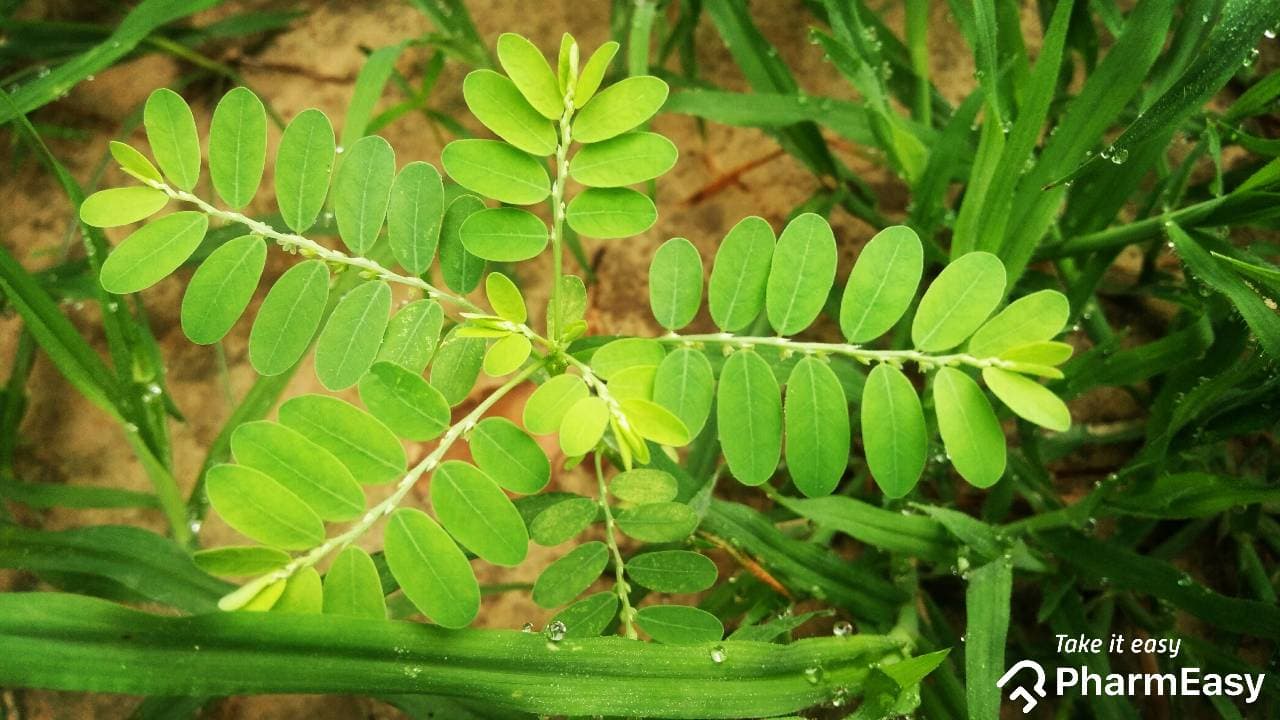
Bhumi Amla: Nature's Aid for Liver, Kidney, and Digestion
Meena, 45, a homemaker from Jaipur, felt persistent fatigue and a dull ache in her upper abdomen. Her doctor ordered tests, revealing mild fatty liver. While medication was prescribed, Meena also explored natural remedies, recalling her grandmother mentioning a small plant that thrived during the monsoon – Bhumi Amla. This plant, scientifically named Phyllanthus niruri, has been a staple of Ayurvedic medicine for ages, highly regarded for its helpful effects on the liver and kidneys.
What most people miss: Bhumi Amla isn't merely a weed; it's a potent herb brimming with beneficial compounds like lignans, flavonoids, and alkaloids. These elements are thought to contribute to its healing qualities. In India, this plant often sprouts in moist, shady spots, becoming particularly noticeable as monsoon rains enrich the soil. Its name, 'Bhumi Amla,' directly translates to 'Amla on the land,' referencing its likeness to the larger Indian gooseberry (Amla) and its ground-dwelling nature.
The occurrence of liver and kidney issues in India is substantial. Over 101 million Indians have diabetes (ICMR, 2023), a condition closely tied to liver and kidney problems. Kidney stones affect about 15% of the Indian population at some point.
Considering these figures, understanding natural aids like Bhumi Amla becomes increasingly important. Does this sound familiar?
The Science Behind Bhumi Amla's Benefits
Modern investigations are starting to confirm the age-old uses of Phyllanthus niruri. Studies indicate it possesses qualities that shield the liver (hepatoprotective), protect the kidneys (nephroprotective), act as an antioxidant, reduce inflammation, and fight viruses. These outcomes are linked to its abundant plant-based compounds.
Hepatoprotective Properties: A Friend to Your Liver
The liver serves as our body's main detoxification center, processing everything from food and drugs to environmental toxins. Bhumi Amla has shown promise in shielding the liver from harm caused by various elements, including certain medicines, alcohol, and viral infections. Investigations published in journals like The Lancet have explored its potential in managing conditions such as hepatitis B, though more human studies are required. Its capacity to neutralize harmful free radicals helps combat oxidative stress, a primary driver of liver disease. Think of it this way: it acts like a shield for your liver cells.
Nephroprotective Effects: Supporting Kidney Health
Kidney stones are a painful situation, and Bhumi Amla has a long history in folk medicine for managing and preventing them. Research suggests that Phyllanthus niruri might help impede the development of calcium oxalate crystals, the most frequent component of kidney stones. It may also assist relax the ureters, potentially assisting the passage of smaller stones. A study in the Indian Journal of Urology noted its possible role in managing kidney stones, with some research indicating a decrease in stone size and quantity. So what does that mean for you? It presents a natural option to explore for those susceptible to kidney stones.
Digestive Support and More
Beyond liver and kidney well-being, Bhumi Amla is historically used to ease digestive complaints. It is thought to assist calm irritation in the stomach lining, possibly assisting with issues like gastritis and ulcers. Its mild diuretic characteristics might also support general urinary tract health.
Some early research even hints at potential advantages in managing blood sugar levels, although this area needs extensive further examination. Honestly, its adaptability is quite striking.
How to Use Bhumi Amla in India
In India, Bhumi Amla is utilized in several ways, reflecting its deep integration into daily life and ancestral practices.
Traditional Preparations
The most common method of consuming Bhumi Amla is as a boiled infusion or 'kadha'. Fresh or dried leaves and stems are simmered in water, strained, and drunk. This approach is especially popular during the monsoon months when the plant is readily accessible.
Some individuals also drink it as a fresh juice, often blended with a bit of water or honey to enhance its taste. This practice is grounded in the Ayurvedic belief of using herbs in their most vibrant, potent state.
Here's where it gets interesting.
Modern Formulations
Currently, Bhumi Amla is also offered in more convenient formats such as capsules, tablets, and tinctures. These frequently contain standardized extracts, ensuring a consistent measure of the active components. You can find these items at Ayurvedic pharmacies, wellness shops, and increasingly online.
When selecting a product, seek out trusted brands that offer clear details on the herb's origin and standardization. The International Diabetes Federation (IDF) highlights the growing need for complementary therapies, and these contemporary preparations meet that demand.
Incorporating into Diet (Carefully!)
While not typically a kitchen herb, some people in rural India might include very small quantities of the young leaves in specific traditional dishes, particularly during fasting periods or as part of particular Ayurvedic eating plans. However, due to its strong medicinal properties, it's not something to add liberally to your regular meals.
Sitting on the floor, a typical habit in many Indian homes, often leads to encountering various plants growing in courtyards, including Bhumi Amla.
Potential Side Effects and Precautions
While generally deemed safe for most individuals when used correctly, Bhumi Amla can cause adverse reactions, and certain people should proceed with caution.
Who Should Be Cautious?
Expectant and nursing mothers are advised to avoid Bhumi Amla due to a lack of adequate safety information. Individuals with existing health issues, especially those with diabetes or low blood pressure, should consult their doctor before use, as it might interact with medications or influence blood sugar and pressure levels.
Here's where it gets interesting.
Those scheduled for surgery should stop using it at least two weeks beforehand, as it could affect blood clotting. What most people overlook is the significance of seeking medical advice, particularly when managing pre-existing conditions.
Possible Side Effects
Some people might experience mild digestive upset, such as queasiness or stomach discomfort. Overconsumption could potentially lead to dehydration because of its diuretic action. Allergic responses, though uncommon, are also possible.
It's vital to begin with a small dose to gauge your body's reaction. Worth knowing: starting low and slow is a universal guideline when introducing new herbs or supplements.
Drug Interactions
Bhumi Amla may interact with certain pharmaceuticals, including blood thinners, diabetes medicines, and blood pressure drugs. Always inform your doctor about any herbal supplements you are taking to prevent potentially harmful interactions.
The World Health Organization (WHO) stresses the necessity for greater awareness concerning herbal medicine interactions.
Bhumi Amla vs. Other Treatments
Comparing Bhumi Amla to standard treatments requires a balanced viewpoint. Conventional medicine provides well-established protocols with predictable results, supported by extensive clinical trials.
For example, specific antiviral drugs are the norm for Hepatitis B treatment. However, these can sometimes be costly and may carry significant adverse effects.
Bhumi Amla, conversely, represents a natural, often more economical approach. Its appeal lies in its holistic action and traditional backing. While it shows promise, especially for supportive care and milder conditions, it is not a substitute for crucial medical interventions.
This is where most patients struggle.
Think of it this way: it can serve as a valuable complementary therapy rather than a sole cure for serious ailments. Its use is particularly relevant in settings where access to advanced healthcare might be restricted, but it should always be considered alongside, not instead of, evidence-based medical guidance.
Key Takeaways
- Bhumi Amla (Phyllanthus niruri) is a traditional Ayurvedic herb recognized for its protective qualities for the liver and kidneys.
- Research indicates it may aid in preventing and managing kidney stones by inhibiting crystal formation.
- Its liver-protective qualities offer potential benefits for liver health, combating oxidative stress.
- While generally safe, caution is advised for pregnant/nursing individuals and those with specific health conditions.
- Always seek advice from a qualified physician before making any health-related decisions.
Always seek advice from a qualified physician before making any health-related decisions.