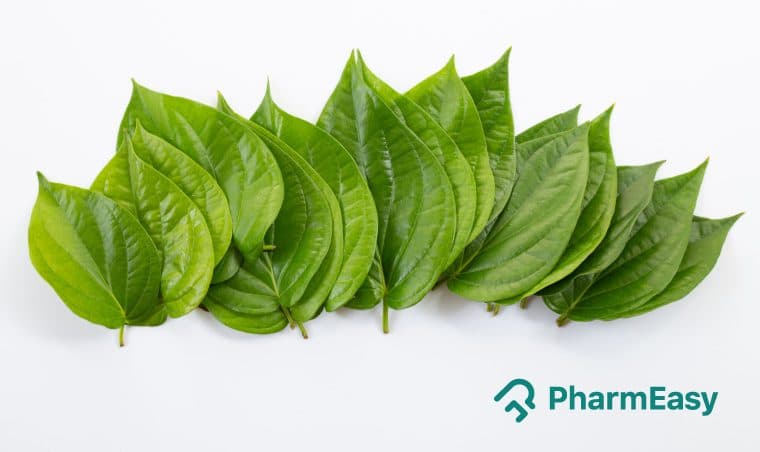
Betel Leaves (Paan): Uses, Advantages, Adverse Effects
Meena, 45, a homemaker from Jaipur, experienced persistent indigestion and occasional bloating after meals. Her grandmother suggested chewing a piece of paan (betel leaf) after dinner, a practice common in their household. This traditional remedy, while seemingly simple, draws upon centuries of anecdotal evidence and is now being investigated for its possible wellness advantages by contemporary medicine.
Betel leaves, scientifically identified as Piper betle, are a fundamental component of Indian culture, frequently chewed for enjoyment, after meals, or during religious observances. Beyond its cultural importance, this aromatic leaf has been a mainstay in traditional Indian medicine (Ayurveda) for its suggested digestive, antiseptic, and stimulant qualities. In numerous instances, the conviction in its effectiveness originates from generations of use, often transmitted through oral traditions. Understanding the scientific basis behind these age-old practices can provide valuable insights into sustaining well-being.
Practically speaking, the usual habit of chewing paan, especially after a substantial meal, is frequently linked to assisting digestion. But what are the actual advantages? And are there any hazards involved?
Nutritional Composition of Betel Leaves
Betel leaves are surprisingly abundant in nutrients. They contain essential vitamins and minerals that contribute to their therapeutic qualities. A single betel leaf (approximately 10 grams) typically includes:
- Calories: Approximately 5-10
- Carbohydrates: Under 1 gram
- Protein: Insignificant
- Fats: Insignificant
- Vitamins: Vitamin C, riboflavin (B2), niacin (B3), thiamine (B1), and vitamin A
- Minerals: Calcium, potassium, manganese, and iron
Additionally, betel leaves provide a good source of antioxidants, including flavonoids and phenols. These compounds play a crucial role in counteracting oxidative stress in the body. The principal active compounds, such as eugenol and chavicol, are responsible for many of its medicinal effects.
Possible Wellness Advantages of Betel Leaves
The medicinal uses of betel leaves are extensive and varied, stemming from both traditional wisdom and emerging scientific inquiry. Let's examine some of the most notable advantages:
1. Digestive Wellness
This is arguably the most widely acknowledged advantage. Chewing betel leaves is thought to stimulate saliva production, which assists in the initial phases of digestion. The digestive enzymes present in saliva help break down food more effectively. What's more,, betel leaves are believed to stimulate the digestive tract, promoting smoother bowel movements and alleviating issues like indigestion, gas, and constipation. Studies published in journals like the Journal of Ethnopharmacology have investigated these carminative (gas-relieving) qualities. In many instances, this straightforward act of chewing paan after a meal, particularly heavy Indian cuisine during festivals, aligns with promoting digestive comfort.
2. Oral Hygiene and Wound Healing
Betel leaves exhibit potent antimicrobial and antiseptic qualities, largely attributed to compounds like chavicol. These qualities make them effective in combating oral bacteria responsible for bad breath, plaque, and cavities. Chewing betel leaves can serve as a natural breath freshener and may assist maintain oral cleanliness. Historically, in certain Indian communities, a paste derived from betel leaves was applied to minor wounds and cuts to prevent infection and encourage healing. Research has indicated that extracts from Piper betle can inhibit the growth of several pathogenic bacteria, including those found in the mouth.
3. Antioxidant Qualities
The ample antioxidant content in betel leaves aids in neutralizing harmful free radicals within the body. Free radicals are unstable molecules that can damage cells and contribute to chronic ailments such as heart disease, cancer, and premature ageing.
It sounds simple. It rarely is.
The flavonoids and polyphenols present in betel leaves combat this oxidative stress, thereby offering a protective effect. The World Health Organization (WHO) consistently emphasizes the importance of antioxidants in disease prevention, and betel leaves can contribute to daily intake.
4. Anti-inflammatory Effects
Inflammation is a primary factor in numerous chronic wellness conditions. Betel leaves have demonstrated anti-inflammatory qualities, which could assist reduce swelling and pain.
Compounds like eugenol are recognized for their analgesic and anti-inflammatory effects, similar to those found in cloves. This makes betel leaves potentially useful for conditions associated with inflammation, although more extensive human trials are warranted.
5. Blood Sugar Regulation
Emerging research suggests that betel leaves might contribute to managing blood sugar levels. Some studies, including preliminary investigations from organizations like the Indian Council of Medical Research (ICMR), indicate that betel leaf extract could benefit enhance insulin sensitivity and reduce blood glucose levels.
Considering that over 101 million Indians have diabetes (ICMR, 2023), any natural adjunct that might assist in blood sugar management is of significant interest.
6. Respiratory Wellness
Within traditional medicine, betel leaves have been utilized to manage respiratory complaints such as coughs and colds. The leaf's essential oils are believed to possess expectorant qualities, aiding in the clearance of mucus from the airways.
It sounds simple. It rarely is.
A warm decoction of betel leaves is occasionally recommended to soothe sore throats and alleviate congestion. While scientific substantiation is limited, the historical application points to possible advantages in easing mild respiratory discomfort.
7. Pain Relief
The analgesic qualities of betel leaves, particularly due to eugenol, have led to their traditional application as a topical pain reliever. Applying a warm, crushed betel leaf to areas of minor pain or swelling might offer some alleviation. This effect is likely linked to its anti-inflammatory capabilities.
8. Possible Anticancer Qualities
While still in the initial phases of investigation, some laboratory studies have explored the potential anticancer effects of betel leaf extracts. These studies suggest that compounds within the leaf may inhibit the proliferation of certain cancer cells. For example, research published in The Lancet Oncology has touched upon the potential of plant-derived compounds in cancer therapy. However, it is crucial to understand that this research is preliminary and does not imply that betel leaves can treat or prevent cancer. What should you actually do? Rely on scientifically validated treatments for cancer.
Methods of Using Betel Leaves
Betel leaves can be consumed or applied in several ways:
- Chewing: The most customary method involves chewing a fresh leaf, often after a meal. It can be chewed plain or with a small quantity of flavoring agents (excluding tobacco or slaked lime for wellness reasons).
- Decoction: Boiling betel leaves in water to prepare a herbal tea or decoction can be advantageous for respiratory issues or digestive discomfort.
- Juice: Freshly extracted betel leaf juice can be consumed in small amounts.
- Topical Application: Crushed leaves or a paste can be applied to minor skin irritations or wounds.
So what does that mean for you? Incorporating betel leaves into your routine can be straightforward, especially if it is already a cultural practice. However, moderation is paramount.
Possible Adverse Effects and Precautions
While betel leaves offer numerous possible advantages, excessive consumption or improper utilization can lead to adverse outcomes. It is essential to be aware of these:
- Oral Cancer Risk: The primary concern linked to betel leaf consumption is its association with oral cancer, but this is almost exclusively when it is chewed with tobacco and/or slaked lime (calcium hydroxide). Tobacco is a recognized carcinogen, and slaked lime can increase the absorption of harmful compounds. The International Agency for Research on Cancer (IARC) categorizes betel quid with tobacco as a Group 1 carcinogen. Consequently, consuming plain betel leaves is generally considered considerably safer than betel quid.
- Dental Staining: Frequent consumption, particularly of the traditional paan with additives, can stain teeth.
- Allergic Reactions: Although uncommon, some individuals might experience allergic responses to betel leaves.
- Interactions with Medications: If you are taking medication, especially blood thinners or diabetes medication, consult your physician before using betel leaves regularly, as they might interact.
Worth noting: The preparation method significantly influences the chance profile. Plain betel leaves present a different wellness proposition compared to a paan filled with tobacco, areca nut, and lime.
Betel Leaves versus Areca Nut
It is crucial to differentiate between betel leaves (Piper betle) and areca nuts (Areca catechu). Although frequently consumed together in a 'paan', they are entirely distinct. The areca nut itself is classified as a carcinogen by the WHO and is strongly linked to oral cancers and other health issues. Betel leaves, conversely, possess a more favorable safety profile when consumed without harmful additives like tobacco and areca nut.
Summary
Betel leaves, or paan, hold a rich historical place in Indian culture and traditional medicine. When consumed in their plain form, they offer several potential wellness advantages, including enhanced digestion, improved oral hygiene, antioxidant effects, and anti-inflammatory qualities. However, the risks associated with chewing betel quid, particularly when combined with tobacco and areca nut, are substantial and well-documented by global health organizations like the WHO. Practicing restraint and avoiding harmful additives is vital for safely realizing the advantages.
Always seek guidance from a qualified medical professional before making any health-related decisions.
Key Takeaways
- Betel leaves are rich in vitamins, minerals, and antioxidants.
- Traditional applications include aiding digestion and improving oral hygiene due to antimicrobial qualities.
- Possible advantages are being explored for anti-inflammatory and blood sugar regulation effects.
- The primary health hazards are linked to chewing betel leaves mixed with tobacco and areca nut, which are associated with oral cancer.
- Plain betel leaves generally have a favorable safety profile when consumed in moderation.