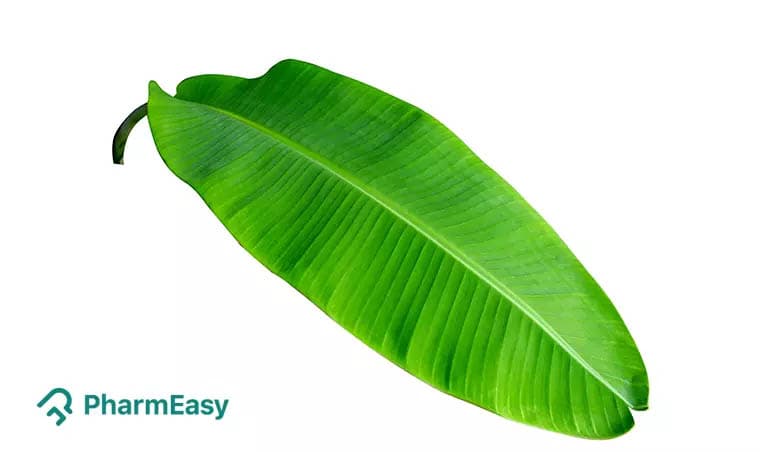
Banana Leaf: A Versatile Gift for Well-being and Heritage
Meena, 45, a homemaker from Jaipur, noticed a persistent rash on her hands, particularly after household tasks during the monsoon. Her grandmother, recalling age-old remedies, suggested applying a poultice made from fresh banana leaves.
To Meena's surprise, the itching subsided significantly within a day. This anecdote highlights a practice deeply rooted in Indian culture, where the humble banana leaf extends far beyond its role as a simple food wrapper.
For centuries, across the Indian subcontinent, banana leaves have been revered not just for their culinary applications but also for their perceived medicinal properties. Their large, pliable surface makes them ideal for serving food, especially during festivals and family gatherings, imparting a subtle aroma and preventing food from sticking.
Consider this: the leaf functions as a disposable, eco-friendly plate, enhancing the dining experience in a way that modern utensils cannot replicate. This practice is particularly prevalent in South India, where serving meals on banana leaves is a cherished tradition, often seen during auspicious occasions and religious ceremonies.
Most people overlook this completely.
The significance of banana leaves in Indian households is multifaceted. They are a symbol of purity and are often used in religious rituals. Their practical utility, however, is where many historical health applications stem from. The leaf's waxy cuticle and inherent compounds are believed to possess beneficial qualities.
Medicinal Properties and Historical Uses
The historical medicinal system of Ayurveda extensively documents the use of various parts of the banana plant, including its leaves, for treating a range of ailments. These leaves are rich in polyphenols, a class of antioxidants known for their anti-inflammatory and disease-fighting capabilities.
Studies have indicated that banana leaf extracts can exhibit antimicrobial and antioxidant activities, which may contribute to their historical uses.
One of the most common historical uses involves topical application for skin conditions. The anti-inflammatory and cooling properties of banana leaves are thought to soothe irritation, reduce redness, and promote healing of minor burns, cuts, and rashes.
The leaf is often crushed or boiled, and the resulting pulp or water is applied to the affected area. This gentle remedy was particularly helpful for Meena's skin irritation, a typical issue during humid weather when the skin is more susceptible to fungal infections and rashes.
It sounds simple. It rarely is.
On top of that,, banana leaves have been used internally, often as a decoction or infusion, to manage digestive issues. Their mucilaginous nature (forming a gel-like substance) is believed to coat and protect the stomach lining, potentially alleviating symptoms of gastritis and ulcers.
Some historical practices also suggest that consuming food prepared or served on banana leaves can aid in detoxification.
Worth knowing: The World Health Organization (WHO) emphasizes the importance of historical medicine, acknowledging its role in primary healthcare for a significant portion of the global population. While modern medicine offers advanced treatments, historical remedies like those involving banana leaves continue to be relevant, especially in resource-limited settings.
Nutritional Aspects and Culinary Applications
While the banana leaf itself is not typically consumed directly in large quantities, the way food is prepared and served using it can influence its nutritional profile and perceived benefits. When food is steamed or cooked wrapped in banana leaves, it retains more moisture and nutrients compared to other cooking methods.
This gentle cooking process, often referred to as 'pachadi' or 'patra' in various regional cuisines, helps preserve vitamins and minerals.
The slight waxy coating of the leaf can impart a subtle, pleasant aroma to the food, enhancing its palatability. This natural wrapping also prevents the absorption of harmful chemicals that might leach from plastic or aluminium foil.
That's the part worth remembering.
For instance, historical South Indian dishes like 'Puttu' (steamed rice cakes) or various steamed fish preparations are often cooked within banana leaves, benefiting from this eco-friendly cooking medium.
The polyphenols present in banana leaves, though not consumed in major amounts, might leach slightly into the food, contributing trace amounts of antioxidants to the diet. While these amounts are likely small, they add to the overall nutritional intake.
The Indian Council of Medical Research (ICMR) has highlighted the growing awareness and integration of historical food practices into modern diets for their potential well-being benefits.
Potential Well-being Benefits Backed by Science (and Heritage)
The antioxidant power of banana leaves is perhaps their most scientifically recognized benefit. These leaves are rich in compounds like gallic acid, catechin, and chlorogenic acid.
Antioxidants combat free radicals in the body, which are unstable molecules that can damage cells and contribute to chronic diseases like heart disease, cancer, and diabetes. A study published in the *Journal of Ethnopharmacology* highlighted the notable antioxidant capacity of banana leaf extracts.
Anti-inflammatory properties are another area of interest. Chronic inflammation is linked to numerous well-being problems. The compounds found in banana leaves may help modulate the body's inflammatory response.
It sounds simple. It rarely is.
This could be beneficial for conditions ranging from arthritis to inflammatory bowel disease, although more human studies are needed to confirm these effects. The historical use for soothing skin irritations aligns with these anti-inflammatory findings.
Antimicrobial activity has also been observed in laboratory studies. Extracts from banana leaves have shown effectiveness against certain bacteria and fungi. This supports the historical use of banana leaves in wound healing and managing skin infections. Think about it this way: the leaf's inherent compounds might act as a mild, gentle antiseptic.
So what does that mean for you? While these scientific findings are promising, it's crucial to understand that most research is based on concentrated extracts in lab settings.
The actual benefit from using banana leaves for cooking or topical application in everyday life might be less pronounced but still contribute positively to overall well-being.
Banana Leaf for Blood Sugar Management?
There is some historical belief and preliminary research suggesting that banana leaves might play a role in managing blood sugar levels. The idea stems from the potential hypoglycemic (blood sugar-lowering) effects attributed to certain compounds in the leaves.
Some studies, particularly on animals, have explored this possibility, indicating that banana leaf extracts might support improve insulin sensitivity or reduce glucose absorption. The International Diabetes Federation (IDF) notes that while research into natural remedies for blood sugar management is ongoing, conventional treatments remain the cornerstone of management.
The numbers don't lie.
However, the evidence is far from conclusive. Relying solely on banana leaves for blood sugar management would be ill-advised. Over 101 million Indians have diabetes (ICMR, 2023), and effective management requires a balanced approach including diet, exercise, and prescribed medication.
While incorporating food prepared on banana leaves might offer trace benefits due to antioxidants, it cannot replace medical treatment. But why does this happen? The complex interplay of bioactive compounds in the leaves needs much more rigorous investigation before any definitive claims can be made about their efficacy in human blood sugar management.
Side Effects and Precautions
Generally, using banana leaves for serving food is considered safe. They are organic, biodegradable, and do not typically impart any harmful substances. However, there are a few considerations.
Allergies: Although rare, some individuals might be allergic to components present in banana leaves. If you experience any itching, redness, or discomfort after contact or consumption of food prepared on banana leaves, discontinue use immediately.
Contamination: Ensure the banana leaves used are clean and free from pesticides or other contaminants. It's advisable to wash them thoroughly, especially if sourced from an unknown environment. Leaves used for medicinal purposes should be carefully selected and prepared according to historical guidelines.
Medicinal Use Caution: For medicinal applications, such as treating skin conditions or digestive issues, it is essential to exercise caution. While historical remedies can be proven, they are not a substitute for professional medical advice. The concentration of active compounds can vary, and improper application could potentially lead to adverse effects or delay appropriate care for a serious condition.
Interaction with Medications: If you are on medication, especially for chronic conditions like diabetes or hypertension, consult your doctor before using banana leaf preparations internally. There's a theoretical possibility of interaction, though not well-documented.
The reality is, like any gentle remedy, moderation and informed usage are key. The benefits are often subtle and best viewed as complementary to a well-being lifestyle and conventional medical care.
Conclusion: Embracing a Historical Treasure
The banana leaf is more than just a culinary accessory; it's a repository of historical wisdom and potential well-being benefits. From its antioxidant and anti-inflammatory properties to its practical use in cooking and its cultural significance, this organic wonder deserves appreciation.
Its use in serving food during gatherings, like the feasts during Onam or Pongal, connects us to our roots and promotes a more sustainable way of eating.
While scientific research continues to explore the full extent of its capabilities, the established historical uses offer compelling reasons to incorporate banana leaves into our lives, particularly in the kitchen. They represent a sustainable, organic, and culturally rich alternative for food presentation and preparation.
Recovery is rarely linear.
Remember, however, that notable well-being claims require robust scientific backing, and self-treating serious conditions is not recommended.
Key Takeaways:
- Banana leaves are rich in polyphenols, potent antioxidants that combat free radical damage.
- Historically used for soothing skin irritations, minor burns, and rashes due to anti-inflammatory properties.
- Cooking food in banana leaves helps retain moisture and nutrients, potentially adding trace antioxidants.
- While some preliminary research suggests potential benefits for blood sugar management, conclusive evidence in humans is lacking.
- Always ensure leaves are clean and exercise caution with medicinal applications, consulting a healthcare professional.
Always consult a qualified physician before making any medical decisions.