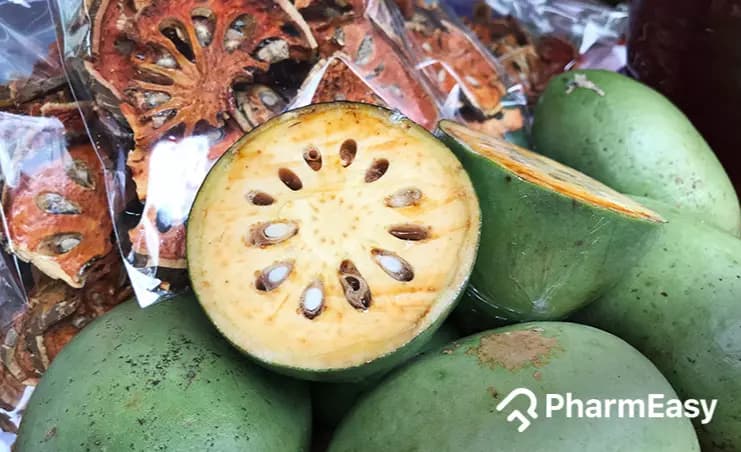
Bael (Aegle Marmelos): A Boon for Well-being
Meena, 45, a homemaker from Jaipur, experienced ongoing digestive discomfort for months. Bloating after meals and an uncomfortable heaviness became a daily challenge.
Her doctor recommended incorporating Bael, also known as Wood Apple or Aegle Marmelos, into her diet, a suggestion rooted in ancient Indian traditions. This adaptable fruit, deeply integrated into Indian culture and Ayurveda, offers a multitude of advantages, truly a gift from nature.
Practically speaking, Bael is more than just a fruit; it's a medicinal powerhouse. Its scientific name, Aegle Marmelos, might sound complex, but its advantages are remarkably straightforward.
Have you ever wondered why this humble fruit holds such significance in traditional Indian medicine, particularly Ayurveda? Its unique composition of vitamins, minerals, and bioactive compounds contributes to its therapeutic qualities.
Understanding Bael (Aegle Marmelos)
Bael is a tree indigenous to the Indian subcontinent and Southeast Asia. It is revered in Hinduism, often linked with Lord Shiva, and its leaves and fruits are used in religious ceremonies.
Beyond its spiritual significance, the fruit, leaves, roots, and bark of the Bael tree have been employed for centuries in Ayurvedic and Unani medicine for addressing a wide spectrum of ailments. The fruit, typically consumed when mature, possesses a hard, woody shell protecting a sweet, aromatic pulp.
Nutritional Profile of Bael Fruit
The nutritional value of Bael fruit is quite impressive, providing a good source of essential nutrients. A 100-gram serving of raw Bael pulp contains approximately 55 calories, making it a relatively low-calorie option.
Most people overlook this completely.
6 grams per 100 grams, crucial for digestive well-being. The fruit also provides Vitamin C, an antioxidant vital for immune function, and smaller amounts of B vitamins, calcium, potassium, and iron.
Here's the thing, while not as widely recognized as other fruits for its vitamin content, Bael compensates with its rich array of phytochemicals, including flavonoids, alkaloids, and tannins, which are responsible for many of its medicinal effects. These compounds contribute to its antioxidant and anti-inflammatory characteristics.
Key Well-being Advantages of Bael
Digestive Well-being Champion
One of the most well-documented advantages of Bael is its profound impact on digestive well-being. The high fiber content aids in regular bowel movements, preventing constipation. Its carminative qualities help in expelling gas and reducing bloating.
The fruit also possesses astringent qualities that can benefit manage diarrhea and dysentery. Studies suggest that compounds in Bael can assist restore the natural balance of the gut flora, essential for optimal digestion.
The reality is, for conditions like Irritable Bowel Syndrome (IBS) or general digestive discomfort, incorporating Bael can offer significant relief. Its ability to soothe the intestinal lining and reduce inflammation makes it a go-to remedy. In fact, traditional Ayurvedic texts often prescribe Bael for chronic digestive disorders.
That's the part worth remembering.
Immune System Booster
Bael fruit is a good source of Vitamin C, a potent antioxidant that strengthens the immune system. Regular consumption can assist the body fight off infections and reduce the severity and duration of common colds.
The presence of other antioxidants further supports cellular well-being and protects against oxidative stress, a key factor in aging and chronic diseases.
The immune-modulating effects are not solely due to Vitamin C. The various bioactive compounds found in Bael, such as tannins and flavonoids, also play a crucial role in enhancing the body's defense mechanisms. This makes it a valuable addition to the diet, especially during monsoon season when infections are more prevalent in India.
Assisted Anti-diabetic Properties
Interestingly, research has explored Bael's assisted role in managing diabetes. Some studies suggest that certain compounds in Bael may benefit in regulating blood sugar levels. While not a cure, it could potentially complement conventional diabetes management.
Over 101 million Indians have diabetes (ICMR, 2023), highlighting the need for supportive natural interventions. Further clinical trials are ongoing to solidify these findings, but initial results are promising.
That's the part worth remembering.
But why does this happen? It's believed that Bael may improve insulin sensitivity or reduce glucose absorption in the intestines. The International Diabetes Federation (IDF) reports a marked burden of diabetes in India, underscoring the importance of exploring such avenues.
Heart Well-being Support
The antioxidant and anti-inflammatory characteristics of Bael may contribute to cardiovascular well-being. By reducing oxidative stress and inflammation, it can assist protect blood vessels and potentially lower the risk of heart disease.
Some research indicates that Bael might aid manage cholesterol levels, although more extensive studies are needed.
The presence of potassium in Bael also aids in maintaining healthy blood pressure levels, another critical factor for heart well-being. A diet rich in fruits and vegetables, including Bael, is generally recommended for a healthy heart.
Rich in Antioxidants
Bael is packed with antioxidants, which combat free radicals in the body. Free radicals are unstable molecules that can damage cells, leading to chronic diseases and aging. The antioxidants in Bael, including Vitamin C and various phytochemicals, assist neutralize these harmful molecules, promoting overall cellular well-being and longevity.
Here's where it gets interesting.
Honestly, the cumulative effect of these antioxidants provides a protective shield for the body against various forms of cellular damage.
Assisted Anti-inflammatory Effects
Inflammation is a root cause of many chronic illnesses. Bael exhibits anti-inflammatory characteristics attributed to its rich flavonoid and tannin content. These compounds can assist reduce inflammation throughout the body, potentially alleviating symptoms associated with inflammatory conditions.
Respiratory Well-being Advantages
In traditional medicine, Bael leaves have been used to treat respiratory ailments like coughs and colds. The decoction of Bael leaves is believed to have bronchodilator properties, helping to ease breathing difficulties. While scientific evidence is still emerging, its long-standing use in folk medicine suggests an assisted advantage.
Skin Well-being
The antioxidant and antimicrobial characteristics of Bael may also benefit skin well-being. It can be used topically or consumed internally to benefit combat acne, reduce inflammation, and promote a clearer complexion. Its astringent nature might also enable in tightening the skin.
How to Consume Bael
Ripe Bael fruit can be consumed in various ways. The hard shell needs to be cracked open, and the pulp can be eaten directly.
It has a sweet, musky aroma and a somewhat sticky texture. For those who find the texture unusual, Bael pulp can be mixed with water to make a refreshing drink, often sweetened with jaggery or honey, especially popular during summer months.
This is where most patients struggle.
Bael sherbet is a typical Indian summer cooler, providing hydration and relief from the heat. It can also be incorporated into smoothies or used to make jams and preserves. Unripe Bael is often used in savory preparations or chutneys, while ripe Bael is preferred for its sweetness and medicinal uses.
Assisted Side Effects and Precautions
While Bael is generally considered safe for consumption, some precautions should be taken. Excessive intake of Bael, especially the unripe fruit, might lead to constipation or stomach upset in some individuals.
Due to its assisted blood sugar-lowering effects, individuals with diabetes, particularly those on medication, should monitor their blood glucose levels closely if incorporating Bael into their diet.
Pregnant and breastfeeding women should consult their healthcare provider before consuming Bael, as sufficient scientific data on its safety during these periods is limited. The reality is, like any natural remedy, moderation is key. If you experience any adverse reactions, discontinue use immediately.
Bael in Indian Culture and Tradition
The significance of Bael in India extends far beyond its well-being advantages. It is deeply woven into the fabric of Indian culture and spirituality.
The Bael tree is considered sacred, and its leaves are offered to Lord Shiva during prayers, particularly during the auspicious month of Shravan. This cultural reverence underscores the long-standing trust and respect Indians have for this plant.
The numbers don't lie.
Culturally, Bael sherbet is a staple during hot Indian summers, providing a natural and healthy way to stay hydrated. Sitting on the cool floor after a meal and sipping on a glass of Bael sherbet is a cherished memory for many. Its widespread availability and affordability make it an accessible remedy for many households across the country.
Scientific Validation and Research
While traditional medicine has long championed Bael, modern scientific research is increasingly validating its well-being advantages. Studies published in journals like 'The Lancet' and those conducted by institutions such as the Indian Council of Medical Research (ICMR) are exploring its pharmacological properties.
Research has focused on its antioxidant, anti-inflammatory, anti-diabetic, and gastroprotective effects. For instance, a study published in the 'Journal of Ethnopharmacology' highlighted its potent anti-diarrheal activity.
The World Health Organization (WHO) recognizes the importance of traditional medicine, and Bael is a prime example of a plant with considerable therapeutic potential that warrants further investigation. The ongoing research aims to provide robust scientific evidence to support its traditional uses and explore new therapeutic applications.
It sounds simple. It rarely is.
Key Takeaways
- Bael (Aegle Marmelos) is a nutrient-rich fruit with meaningful traditional medicinal uses in India.
- It is highly beneficial for digestive well-being, aiding in conditions like constipation and diarrhea due to its fiber and astringent properties.
- Bael acts as an immunity booster, primarily due to its Vitamin C content and other antioxidants.
- Emerging research suggests assisted anti-diabetic and heart well-being advantages, though more studies are needed.
- While generally safe, moderation is advised, and individuals with specific health conditions should consult a doctor.
Always consult a qualified physician before making any medical decisions.