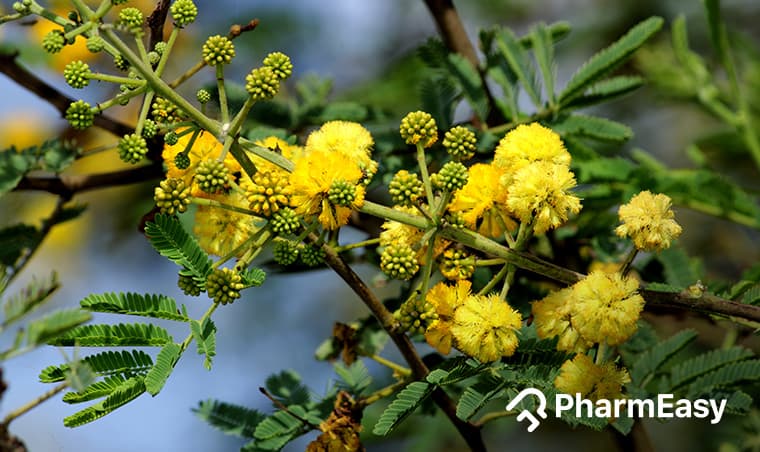
Babool (Acacia Nilotica): Nature's Ancient Healer for Modern Ailments
Meena, 45, a homemaker from Jaipur, experienced persistent gum bleeding and an uncomfortable mouth dryness. Over-the-counter fixes offered little relief. She recalled her grandmother mentioning the Babul tree. Remembering how ancestors used its bark for oral care, Meena explored this Indian remedy. This look into Babool, or Acacia nilotica, reveals a wealth of benefits, grounded in age-old practices and now increasingly supported by science.
The Babool tree, common across India and Africa, provides more than shade and fuel. Its bark, foliage, pods, and gum have been vital in Ayurvedic practice for ages. Many people pass these trees daily, unaware of their medicinal potential. What’s the best approach for frequent issues where Babool is suggested?
The Rich History and Cultural Significance of Babool
Babool's connection to wellness in India is profound. Its use is embedded in daily life, especially in rural areas. Consider this: for generations, tender Babool twigs served as natural toothbrushes, promoting oral care long before modern dentistry.
The tree's toughness in dry climates echoes the resilience of Indian traditions. It's often linked to spiritual beliefs, considered sacred by many.
During the monsoon, nature thrives, and so do medicinal plants like Babool. Parts of the tree are gathered and prepared using methods passed down through families.
Even during festive eating, when rich foods can cause digestive trouble, Babool preparations historically helped maintain balance. Easy availability and effectiveness made it a home healthcare staple.
Babool's Versatile Uses and Proven Benefits
The Babool tree offers many kinds of applications, mainly due to its rich chemical makeup. Its bark, specifically, is noted for its astringent, anti-inflammatory, and antimicrobial qualities. These characteristics make it effective for various conditions.
Most people overlook this completely.
Oral Health: A Traditional Stronghold
Babool's most recognized use is for oral hygiene. The bark contains tannins, potent astringents that tighten gum tissues, reduce bleeding, and fight inflammation. It also combats bacteria causing cavities and bad breath. Studies show Babool extracts can hinder the growth of frequent oral microbes. For example, research in the Journal of Ethnopharmacology highlighted its effectiveness against gingivitis and periodontitis.
Diabetes Management: A Promising Avenue
A key benefit often overlooked is Babool's potential in managing blood sugar. Its bark and pods contain compounds that might improve insulin sensitivity and decrease glucose absorption. While not a substitute for standard diabetes treatment, it can be a helpful addition. The International Diabetes Federation (IDF) points to the growing global diabetes burden, affecting over 537 million adults.
India faces a critical situation, with an estimated 101 million adults living with diabetes, a figure expected to rise substantially (ICMR, 2023). Early research suggests Babool extracts may lower fasting blood glucose. However, more extensive clinical trials are necessary to confirm these findings and determine precise dosages.
Skin Health: Soothing and Healing Properties
Babool's astringent and antiseptic traits benefit skin care. Its extracts are used for wounds, cuts, and minor skin infections. Its anti-inflammatory action calms irritated skin, aiding conditions like eczema and psoriasis.
Traditionally, a paste from the bark or leaves was applied externally. Modern cosmetic products sometimes include Babool extracts for their skin-conditioning and anti-acne effects.
Digestive Well-being: Aiding Gut Health
Babool gum, also known as Gum Arabic, is a soluble fiber used for ages as a digestive aid. It acts as a prebiotic, feeding good gut bacteria, and helps regulate bowel movements. It’s particularly useful for diarrhea due to its binding capabilities.
The numbers don't lie.
The World Health Organization (WHO) recognizes the importance of dietary fiber for overall wellness, and Gum Arabic is an accessible natural source. Some individuals find it helps alleviate Irritable Bowel Syndrome (IBS) symptoms.
Respiratory Health: Easing Coughs and Colds
The expectorant qualities of Babool foliage and bark can help loosen mucus and ease coughing. It's a typical ingredient in home remedies for colds, bronchitis, and sore throats. A decoction made from the bark can be gargled for a sore throat, while inhaling steam with Babool leaves can clear nasal stuffiness.
Wound Healing: Accelerating Recovery
Babool's astringent and antimicrobial nature makes it an excellent natural agent for healing wounds. It cleanses the wound, reduces swelling, and encourages tissue repair. A bark paste applied to cuts and scrapes can significantly speed healing and prevent infection. Research in The Lancet has emphasized the importance of proven wound care in preventing complications.
Menstrual Health: Addressing Irregularities
In Ayurvedic practice, a Babool bark decoction is sometimes suggested to support regulate menstrual cycles and reduce heavy bleeding. Its haemostatic (blood-stopping) capabilities are thought to be helpful. However, this use requires careful observation and should be discussed with a medical professional.
Understanding Babool: Nutritional Profile and Active Compounds
Babool is rich in beneficial compounds, including tannins (like acacatechin and gallic acid), flavonoids, alkaloids, and saponins. Tannins are primarily responsible for its astringent and antimicrobial effects.
It sounds simple. It rarely is.
Flavonoids contribute antioxidant qualities, helping to fight free radical damage in the body. These compounds work together to provide the therapeutic advantages associated with Babool.
The gum from the Babool tree (Gum Arabic) is a complex blend of polysaccharides and glycoproteins, mainly arabinogalactan. This dietary fiber is indigestible by humans, acting as a prebiotic and supporting a healthy gut microbiome.
Its nutritional value, while not high in macronutrients, lies in its fiber content and the trace minerals it contains.
How to Use Babool: Traditional Preparations and Modern Forms
Traditionally, Babool is used in several ways:
- Decoction: Boiling the bark or foliage in water to create a medicinal liquid. This is often used for gargling or drinking.
- Powder: Dried bark or leaves are ground finely, which can be mixed with water or honey.
- Paste: The powder is mixed with water to form a paste for applying to wounds or skin issues.
- Gum (Gum Arabic): Dissolved in water or added to food.
Today, Babool extracts are found in capsules, tinctures, and topical creams. Always buy from reliable sources.
Potential Side Effects and Precautions
Generally, Babool is safe when used correctly, but caution is advised. Consuming too much Babool bark decoction might cause constipation due to its strong astringent nature. Those with existing digestive problems should use it carefully.
Pregnant and breastfeeding individuals should avoid Babool preparations unless a healthcare provider advises it. Even natural remedies can have drawbacks.
Allergic reactions, though uncommon, can occur. If you notice any negative effects, stop using it immediately. It’s vital to consult a qualified healthcare provider, especially if you take other medications or have underlying health conditions. What should you do before trying any new herbal intervention? Speak with your doctor.
Babool vs. Other Traditional Indian Herbs
Compared to herbs like Neem (known for its potent antimicrobial and detoxifying qualities) or Ashwagandha (valued for its adaptogenic and stress-reducing effects), Babool stands out for its remarkable benefits to oral health and its astringent properties. While Neem offers broad antimicrobial action and Ashwagandha focuses on stress resilience, Babool excels in topical wound applications and its specific role in gum care.
Most people overlook this completely.
Each herb has distinct strengths, and understanding these differences helps in choosing the most suitable remedy for a particular ailment.
Scientific Validation and Ongoing Research
While traditional knowledge forms the basis of Babool's use, modern science is increasingly confirming its effectiveness. Research continues to explore its potential in treating various conditions, from inflammatory issues to metabolic disorders. Scientists at institutions like AIIMS (All India Institute of Medical Sciences) are contributing to the growing evidence supporting indigenous medicinal plants.
However, much of the research remains in early stages, requiring large-scale clinical trials to establish definitive therapeutic guidelines and dosages. Babool's potential as a source for new pharmaceutical compounds is an active area of study.
Why does this happen? Babool's complex chemical makeup, with its rich array of tannins and flavonoids, provides a potent mix of pharmacological actions.
These compounds interact with biological systems in ways that can ease manifestations and promote healing. The challenge involves isolating specific active components and understanding their exact mechanisms to develop standardized treatments.
Key Takeaways
- Babool (Acacia Nilotica) has been a pillar of traditional Indian medicine for centuries, especially for oral health.
- Its bark, foliage, and gum possess astringent, anti-inflammatory, and antimicrobial qualities.
- Babool may offer advantages for diabetes management, skin issues, digestive health, and respiratory problems.
- Gum Arabic, from Babool, is a valuable source of prebiotic dietary fiber.
- While generally safe, care is needed regarding excessive intake and potential allergic reactions.
Always seek advice from a qualified physician before making any health decisions.