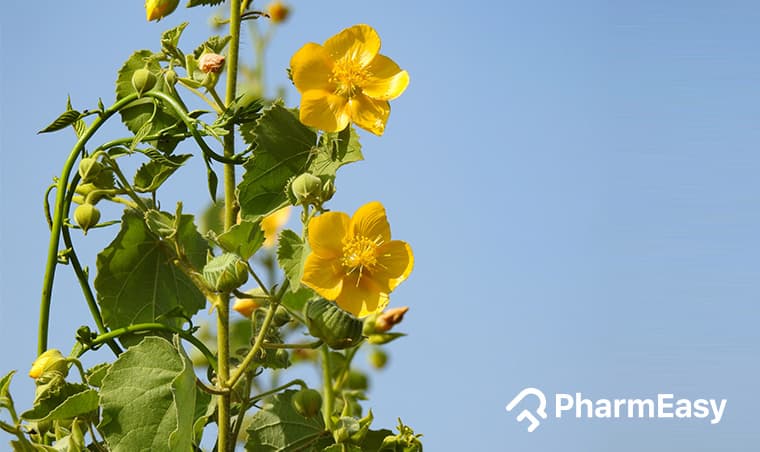
Atibala: Nature's Boon for Vitality and Might
Meena, 45, a homemaker from Jaipur, noticed a persistent cough that lingered even after the monsoon rains subsided. Traditional remedies offered little relief. Her physician suggested exploring ancient Indian wisdom, leading her to Atibala, a plant revered in Ayurveda for its remarkable properties.
Practically speaking, understanding traditional remedies like Atibala is crucial in our quest for holistic well-being. This potent plant, scientifically known as Abutilon indicum, has been a cornerstone of Ayurvedic medicine for centuries. Its name itself, 'Atibala', translates to 'great strength', hinting at its primary benefits.
Have you ever wondered why certain plants have stood the test of time? Atibala's enduring popularity stems from its ability to bolster physical might, enhance immunity, and address various ailments.
The reality is, modern lifestyles often leave us feeling depleted, making natural solutions more relevant than ever. Its leaves, seeds, and roots are all employed in Ayurvedic formulations, showcasing its versatility.
The Ayurvedic Perspective on Atibala
In Ayurveda, Atibala is classified under 'Balya' plants, meaning those that promote might and vigour. It is believed to pacify 'Vata' and 'Pitta' doshas, which are often associated with problems like pain, inflammation, and dryness. Its inherent qualities—heavy, cooling, and slightly bitter—contribute to its therapeutic effects.
The plant's significance is deeply rooted in Indian culture, often found growing wild in plains and semi-arid regions. Its use is documented in ancient Sanskrit texts, highlighting its long-standing medicinal importance.
Here's where it gets interesting.
The International Diabetes Federation (IDF) estimates that over 101 million Indians have diabetes, a condition often exacerbated by lifestyle factors that Atibala may help mitigate through its overall well-being-promoting properties.
Here's the thing — while we often focus on single ailments, Ayurveda views well-being as an interconnected web. Atibala contributes to overall resilience, which indirectly supports the management of chronic problems.
Key Benefits of Atibala
1. Enhancing Physical Might and Stamina
The most celebrated attribute of Atibala is its ability to impart might. This makes it an excellent choice for individuals experiencing general debility or recovering from illness.
Athletes and those engaged in strenuous physical activity may also find it beneficial for endurance. Its adaptogenic properties benefit the body cope with stress, both physical and mental.
2. Bolstering the Immune System
A robust immune system is our first line of defence against infections. Atibala contains compounds that exhibit immunomodulatory effects, helping to regulate and strengthen the body's natural defence mechanisms. Studies published in journals like The Lancet have underscored the importance of a strong immune response in combating emerging infectious diseases.
3. Supporting Respiratory Well-being
Atibala has a long history of use in managing respiratory problems. Its expectorant properties benefit in clearing mucus from the airways, providing relief from coughs, colds, and bronchitis.
The plant's anti-inflammatory action can also soothe irritated respiratory passages. Many traditional Indian households still rely on such plants during the damp, chilly winter months.
But why does this happen? Atibala's specific phytochemical constituents interact with the body's systems to promote these effects. Its cooling nature can calm inflammation, while its ability to loosen phlegm aids in expectoration.
4. Promoting Digestive Well-being
The plant can also aid in improving digestion and alleviating issues like indigestion and bloating. Its mild laxative effect helps in regulating bowel movements. A healthy gut is intrinsically linked to overall well-being, a principle central to Ayurvedic philosophy.
5. Skin Well-being and Wound Healing
Topically applied, Atibala preparations are known to aid in wound healing and can be beneficial for certain skin problems. Its anti-inflammatory and antimicrobial properties contribute to its efficacy in skin care. Some studies suggest it may aid in managing problems like eczema and psoriasis.
The numbers don't lie.
6. Potential Benefits for Blood Sugar Management
While not a primary treatment, some research suggests Atibala may play a supportive role in managing blood sugar levels. Its potential hypoglycemic effects are an area of ongoing scientific interest.
The Indian Council of Medical Research (ICMR) has highlighted the growing prevalence of metabolic disorders, making such supportive therapies a topic of importance.
7. Supporting Urinary Tract Well-being
Atibala is traditionally used as a diuretic, helping to increase urine output. This can be beneficial in flushing out toxins and supporting the well-being of the urinary system. It is sometimes recommended for problems like urinary tract infections (UTIs).
Understanding Atibala Dosage and Forms
Atibala is available in various forms, including powders (churna), decoctions (kwath), capsules, and tablets. The dosage typically depends on the specific formulation, the individual's constitution (Prakriti), and the problem being treated. Ayurvedic practitioners often recommend specific dosages based on these factors.
A common recommendation for Atibala powder is around 3-6 grams per day, often taken with warm water or honey. Decoctions are usually prepared by boiling the plant in water and consuming the strained liquid.
It is imperative to follow the guidance of a qualified Ayurvedic physician for appropriate usage. The World Health Organization (WHO) emphasizes the importance of standardized herbal medicines and qualified practitioners for safe use.
This is where most patients struggle.
Potential Side Effects and Precautions
While generally considered safe when used appropriately, Atibala can have side effects, particularly if taken in excessive doses or by individuals with specific contraindications. Its cooling nature might exacerbate 'Kapha' imbalances in some individuals, potentially leading to increased mucus or congestion.
Worth knowing: Individuals with known allergies to plants in the Malvaceae family (which includes Abutilon) should exercise caution. Pregnant and breastfeeding women should avoid Atibala unless specifically advised by a healthcare provider. Those with pre-existing medical problems, especially kidney or liver issues, should consult their doctor before use.
The reality is, self-medication with potent plants can be risky. Always seek professional advice to ensure safety and efficacy. Over-reliance on any single plant without a balanced approach might not yield the best results.
Precautions for Specific Groups
- Pregnancy and Lactation: Limited data exists on its safety during these critical periods. It's best to err on the side of caution and avoid it.
- Kidney and Liver Problems: Due to its diuretic and metabolic effects, individuals with compromised kidney or liver function should consult a specialist.
- Cold and Cough: While beneficial for some respiratory issues, its cooling effect might worsen cold symptoms characterized by excessive mucus and chills in some individuals.
Drug Interactions
Atibala may interact with certain medications. Its potential to affect blood sugar levels means it could interact with anti-diabetic drugs.
If you are taking any prescription medications, especially for diabetes or blood pressure, inform your healthcare provider about your intention to use Atibala. This plant's diuretic properties could also potentially interact with other diuretics or medications affecting fluid balance.
Atibala in Indian Cultural Context
The use of Atibala is woven into the fabric of Indian life. In rural India, families might prepare a simple decoction from freshly gathered leaves to soothe a cough.
Sitting on the floor, a widespread practice in many Indian homes, can sometimes lead to joint discomfort, where plants like Atibala are traditionally used to support joint well-being and might.
Its accessibility and affordability have made it a staple in traditional medicine cabinets across the country. This widespread availability, however, also necessitates clear guidelines on its proper usage to prevent misuse. The rich biodiversity of India provides a treasure trove of such medicinal plants.
Research and Scientific Validation
While deeply rooted in traditional knowledge, modern scientific research is beginning to explore the pharmacological properties of Abutilon indicum. Phytochemical analysis has identified various active compounds, including flavonoids, alkaloids, and phenolic acids, which are believed to contribute to its therapeutic effects. Studies have investigated its anti-inflammatory, analgesic, antioxidant, and antimicrobial activities. For instance, research published in the 'Journal of Ethnopharmacology' has explored its wound-healing potential.
However, more rigorous clinical trials are needed to substantiate many of these traditional uses and to establish definitive dosages and safety profiles for the general population. The National Institutes of Health (NIH) in the US also supports research into botanical medicines, reflecting a global interest in such therapies.
Recovery is rarely linear.
Key Takeaways
- Atibala (Abutilon indicum) is an Ayurvedic plant known for promoting physical might and stamina.
- It is traditionally used to support the immune system and improve respiratory well-being, particularly for coughs and colds.
- The plant may also offer benefits for digestive well-being, skin problems, and potentially blood sugar management.
- While generally safe, potential side effects and interactions exist; consult a qualified practitioner before use.
- Always seek professional medical advice for any well-being concerns.
Always consult a qualified physician before making any medical decisions.