Ashta Choornam: Uses, Benefits & Side Effects by Dr. Rajeev Singh
Meena, 45, a homemaker from Jaipur, experienced ongoing bloating and discomfort after meals, particularly during the monsoon when her appetite shifted. Conventional remedies offered only brief relief, and the problem returned, hindering her daily activities and enjoyment of family meals.
After consulting her physician, she was encouraged to explore traditional Indian medicine. This is where preparations like Ashta Choornam emerge, providing a holistic path to gut well-being.
The truth is, gut discomfort is exceedingly common across India. A substantial segment of the population encounters issues related to poor digestion, gas, and swelling at various life stages. Factors ranging from eating patterns—often shaped by cultural traditions and celebrations—to stress and lifestyle choices contribute to these ailments.
Grasping these underlying reasons is vital for effective management. Ashta Choornam, a respected herbal powder from traditional Indian medicine, has been utilized for centuries to address a range of gut complaints. It represents a classical preparation, meaning its composition is recorded in ancient Indian medical texts.
But what causes this? The intricate link between diet, gut microbes, and the production of digestive enzymes frequently becomes unbalanced.
In numerous instances, modern lifestyles, characterized by irregular meal times and processed foods, worsen these imbalances. The effectiveness of traditional Indian remedies like Ashta Choornam stems from its capacity to work in harmony with the body's natural functions rather than against them.
That's the part worth remembering.
What is Ashta Choornam?
Ashta Choornam is a traditional Indian polyherbal preparation, meaning it is crafted from a blend of eight distinct medicinal herbs—hence the name 'Ashta,' signifying eight. This potent mixture is primarily employed to enhance nutrient processing and ease symptoms linked to various gastrointestinal ailments.
Its creation involves careful processing of the component herbs to preserve their therapeutic qualities. The specific combination of elements is thought to work together to target gut problems, promoting superior nutrient uptake and reducing unease.
The exact constituents may differ slightly among various traditional Indian practitioners and manufacturers, but the fundamental principle remains consistent: a balanced blend of herbs possessing properties that relieve gas, aid nutrient processing, and prevent flatulence. This preparation is frequently recommended for people experiencing:
- A lack of desire to eat
- Indigestion
- Swelling and abdominal distension
- Gas (flatulence)
- Belching
- Colic pain
- Constipation
The therapeutic value of such preparations is rooted in the time-honored knowledge of traditional Indian medicine, which regards gut health as fundamental to overall vitality. The World Health Organization (WHO) acknowledges traditional Indian medicine as one of the established systems of traditional healing and advocates for its integration into public health services, recognizing its potential health benefits when applied correctly.
This is where most patients struggle.
Key Ingredients and Their Benefits
The potency of Ashta Choornam originates from its carefully chosen eight components. Each herb imparts unique characteristics that collectively boost gut function. It’s valuable to note that understanding these ingredients aids in appreciating the preparation's integrated action.
The prevalent components include:
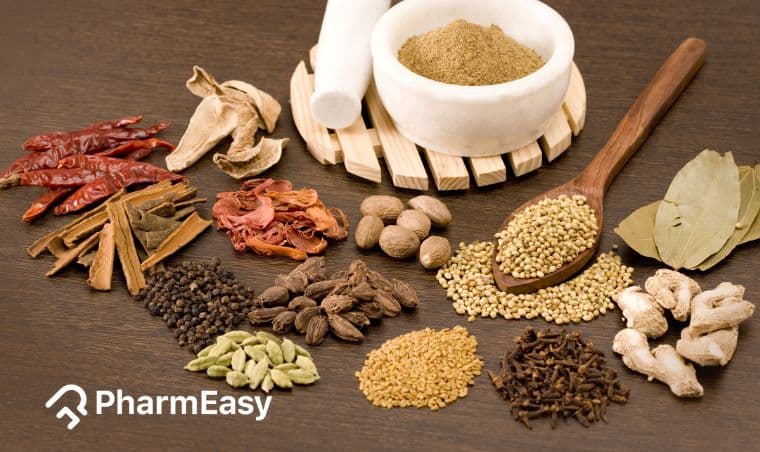
- Sunthi (Ginger): A widely recognized agent that stimulates digestion, assisting in food breakdown, reducing nausea, and easing gas. It is a staple in Indian kitchens, often added to teas during the cooler months.
- Maricha (Black Pepper): Promotes the secretion of digestive enzymes and stomach acid, thereby improving nutrient processing and absorption.
- Pippali (Long Pepper): Similar to black pepper, it strengthens digestive fire (Agni) and helps clear ama (impurities) from the gut.
- Chavya (Java Pepper): Possesses qualities that help expel gas, alleviating flatulence and stomach discomfort.
- Chitraka (Leadwort): Renowned for its ability to invigorate digestive fire and enhance metabolism.
- Amalaki (Indian Gooseberry): An abundant source of Vitamin C, it acts as an antioxidant, supports gut well-being, and assists in detoxification.
- Haritaki (Chebulic Myrobalan): A potent revitalizer that aids in regulating bowel movements and cleansing the gut.
- Vibhitaki (Belleric Myrobalan): Another significant element in Triphala, it assists in nutrient processing and has mild laxative effects.
This blend works to stimulate the release of digestive fluids, improve gut movement, and reduce gas buildup. The combined impact of these herbs is more powerful than any single herb used alone.
Uses and Health Benefits of Ashta Choornam
Ashta Choornam is primarily utilized for its meaningful positive influence on the gastrointestinal tract. Its advantages extend beyond simple symptom alleviation, aiming to re-establish the balance of digestive processes. So, what does this signify for you? It signifies a more comfortable and efficient digestive experience.
Here are some of its primary applications and advantages:
- Enhances Nutrient Processing: By stimulating digestive enzymes and gastric secretions, it facilitates the efficient breakdown of food. This is particularly helpful after substantial meals or when consuming foods that are challenging to process.
- Eases Gas and Swelling: Its gas-relieving properties enable expel trapped gas from the intestines, thereby reducing swelling and abdominal distension. This can be a great benefit, especially during festive periods when dietary excesses are prevalent.
- Boosts Appetite: For those experiencing a loss of desire to eat due to gut disturbances, Ashta Choornam can support naturally stimulate hunger.
- Alleviates Poor Digestion: It effectively addresses warning signs of poor digestion, such as burning sensations, discomfort, and a feeling of fullness.
- Supports Bowel Regularity: While not a strong laxative, it aids in regulating bowel movements, promoting regularity and preventing constipation.
- Detoxification: Certain components, such as Amalaki and Haritaki, possess detoxifying qualities that assist in cleansing the gut.
The preparation is generally considered safe for extended use when taken under appropriate supervision. Investigations by institutions like AIIMS have explored the therapeutic potential of various traditional Indian preparations, highlighting their relevance in contemporary healthcare.
How to Use Ashta Choornam
Ashta Choornam is typically taken by mouth. The quantity and method of administration can differ based on the individual's condition, age, and the recommendation of a qualified traditional Indian medicine practitioner. It is commonly taken:
Here's where it gets interesting.
- Mixed with lukewarm water
- With ghee (clarified butter)
- With honey
- After meals
A typical adult serving might range from 1 to 3 grams, taken once or twice daily. However, self-treatment is not advised. The precise amount and combination with supportive substances (like water, ghee, or honey) are best determined by a traditional Indian medicine doctor.
For instance, taking it with warm water is often suggested for general gut support, while combining it with ghee might be recommended for specific issues related to dryness or Vata imbalance, according to traditional Indian medicine principles. Children's servings are generally adjusted based on their age and weight.
The timing of consumption is also important; it is usually taken after meals to assist in processing the food that has been eaten. This timing ensures that the herbs act directly on the food mass and the processing functions occurring post-meal.
Adhering to the prescribed quantity and duration is essential for achieving the best outcomes and avoiding potential adverse reactions.
Potential Side Effects and Precautions
While Ashta Choornam is generally regarded as safe when used as directed, like any herbal preparation, it can present possible adverse reactions or contraindications for certain people. The reality is, even natural remedies require careful thought. Excessive use or improper application can lead to negative outcomes.
Most people overlook this completely.
Possible adverse reactions may include:
- Mild stomach upset or increased acidity in some sensitive individuals.
- Worsening of Pitta signs (like acidity or a burning feeling) if taken in excess or by those with a strong Pitta constitution.
Considerations for safety:
- Pregnancy and Breastfeeding: Pregnant and nursing women should consult their physician before using Ashta Choornam, as the safety of certain herbs during these times is not fully established.
- Existing Health Conditions: People with pre-existing conditions such as severe stomach inflammation, ulcers, or inflammatory bowel disease should seek professional medical guidance before starting this preparation.
- Allergies: Although uncommon, allergic responses to any of the herbal components are possible. Stop use if any signs of an allergic reaction appear.
- Medication Interactions: If you are taking other medicines, inform your doctor about your use of Ashta Choornam to check for potential interactions. For example, its effect on bowel function could theoretically interact with certain laxatives or anti-diarrheal drugs.
- Duration of Use: Long-term use should ideally be overseen by a traditional Indian medicine practitioner to ensure ongoing benefit and monitor for any negative effects. Research by the Indian Council of Medical Research (ICMR) on the safety and effectiveness of traditional medicines is ongoing, underscoring the importance of evidence-based methods.
It is crucial to remember that traditional Indian medicine treatments are most reliable when tailored to an individual's unique physical makeup (Prakriti) and the specific imbalance (Vikriti) they are experiencing. Consequently, professional consultation is paramount.
Ashta Choornam vs. Modern Medicine
Comparing traditional Indian remedies like Ashta Choornam with modern pharmaceutical treatments for gut issues involves understanding their distinct approaches. Modern medicine often targets specific indicators with medications that provide quick relief. For example, proton pump inhibitors (PPIs) or antacids are frequently prescribed for acidity and heartburn, while laxatives are used for constipation.
These medicines can be highly powerful for acute conditions. Over 70% of adults in India report experiencing gut issues at some point, making both traditional and modern approaches relevant.
However, traditional Indian preparations like Ashta Choornam aim to address the root cause of gut disturbances by balancing the body's intrinsic digestive fire (Agni) and eliminating toxins (Ama). This method often leads to more lasting improvements and fewer adverse reactions over time, although the onset of relief might be slower compared to potent pharmaceuticals.
The Lancet has published numerous studies highlighting the increasing interest and research into complementary and alternative medicine, including traditional Indian medicine, for chronic health concerns.
The numbers don't lie.
The choice between Ashta Choornam and conventional medicine often depends on the nature and severity of the problem, personal preferences, and the advice of healthcare providers. In many situations, a combined strategy, integrating the strengths of both systems, may offer the most thorough care.
For instance, someone experiencing persistent poor digestion might use Ashta Choornam for long-term management while using a prescribed medication for sudden flare-ups under a doctor's direction.
Research and Evidence
While traditional Indian medicine possesses a rich history of empirical use, scientific substantiation through modern research is essential for broader acceptance and integration. Investigations into traditional Indian preparations, including Ashta Choornam, are steadily growing. Studies have examined the pharmacological actions of its constituent herbs, confirming their gas-relieving, nutrient-processing, and anti-inflammatory qualities.
For example, ginger's effectiveness in managing nausea and vomiting is well-documented, and its role in promoting gastric emptying is supported by clinical trials. Similarly, research on piperine (from black pepper and long pepper) has shown its potential to enhance the absorption of other compounds and optimise digestive enzyme activity.
The International Diabetes Federation (IDF) has noted the rising incidence of diabetes in India, a disorder often linked with metabolic and gut health. While Ashta Choornam is not a direct care for diabetes, improving overall metabolic and gut function can indirectly support health management in people with related conditions.
Most people overlook this completely.
Further clinical studies are needed to establish definitive proof for Ashta Choornam's effectiveness in specific gastrointestinal disorders and to determine optimal dosages and therapy plans. Despite the need for more extensive research, the existing body of knowledge on its components and their established benefits provides a solid basis for its continued use.
Key Takeaways
- Ashta Choornam is an eight-herb traditional Indian preparation primarily used to boost nutrient processing and relieve gastrointestinal discomforts like gas, swelling, and indigestion.
- Its main components include Sunthi, Maricha, Pippali, Chavya, Chitraka, Amalaki, Haritaki, and Vibhitaki, each contributing properties that aid digestion and relieve gas.
- The preparation helps enhance appetite, supports regular bowel movements, and assists in the detoxification of the gut.
- It is typically consumed after meals, mixed with lukewarm water, ghee, or honey, with the serving size determined by a traditional Indian medicine practitioner.
- While generally safe, potential adverse reactions are rare and usually mild; precautions should be observed by pregnant women, nursing mothers, and people with pre-existing severe gastrointestinal conditions.
Always consult a qualified physician before making any medical decisions.