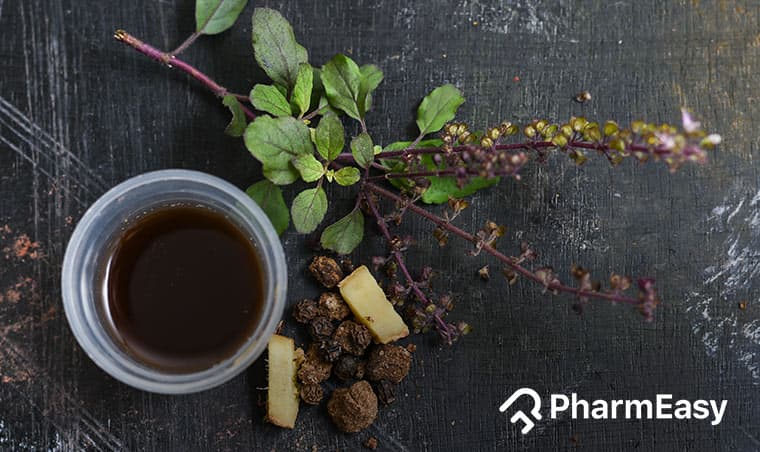
Ashokarishta: A Traditional Herbal Elixir for Modern Ailments
Meena, 45, a homemaker from Jaipur, noticed persistent acidity and irregular periods. Feeling drained and worried, she recalled her grandmother often speaking of traditional remedies.
While modern medicine offered solutions, the allure of plant-based healing, deeply rooted in Indian culture, led her to explore options like Ashokarishta, a renowned herbal preparation. Have you ever wondered why ancient remedies continue to hold sway in our fast-paced, contemporary lives?
Ashokarishta, derived from the bark of the Ashoka tree (Saraca asoca), is a fermented herbal liquid preparation. It has been a cornerstone in treating a myriad of women's health issues for centuries. Its efficacy, however, extends beyond gynaecological concerns, addressing digestive problems, inflammatory issues, and even skin ailments. What most people miss is its holistic approach, aiming to balance the body's doshas (Vata, Pitta, Kapha) for overall well-being. The preparation involves a meticulous process of fermenting the Ashoka bark with jaggery and a blend of other herbs, creating a potent decoction with a slightly sour taste and an alcoholic base (a natural byproduct of fermentation, typically around 1-3% ABV).
Key Benefits and Uses of Ashokarishta
Women's Health and Menstrual Regulation
The most celebrated use of Ashokarishta lies in its profound impact on women's reproductive health. It is particularly beneficial for issues like dysmenorrhea (painful menstruation), amenorrhea (absence of menstruation), and menorrhagia (heavy bleeding). The herb's phytoestrogens are believed to help regulate the menstrual cycle and alleviate associated discomfort. Studies published in journals like Phytotherapy Research have highlighted the antispasmodic and anti-inflammatory properties of the Ashoka bark, which contribute to pain relief during periods. In many cases, women experiencing hormonal imbalances find significant relief with consistent use under guidance. The Indian Council of Medical Research (ICMR) has supported research into the efficacy of various herbal remedies, including those used in formulations like Ashokarishta, for addressing common health concerns.
Additionally, Ashokarishta can aid in managing symptoms of leucorrhea (white discharge) and uterine fibroids. Its astringent properties support tone the uterus and reduce excessive discharge.
The formulation often includes herbs like Dashamoola, which have potent anti-inflammatory and analgesic effects, further enhancing its therapeutic value for gynaecological issues. This remedy is often recommended during the postpartum period to aid the uterus regain its natural tone and function.
Digestive Health and Acidity Relief
Beyond its gynaecological applications, Ashokarishta is a potent remedy for digestive disturbances. Its carminative properties assist in expelling trapped gas, relieving bloating and abdominal discomfort. The formulation also aids in stimulating digestive enzymes, improving appetite, and promoting better absorption of nutrients.
Many individuals turn to Ashokarishta for relief from chronic acidity and heartburn. The bitter taste of the decoction is believed to stimulate 'Pachak Agni' (digestive fire), crucial for healthy digestion according to principles. Over 101 million Indians suffer from digestive disorders annually (a general estimate reflecting the prevalence), and plant-based remedies like Ashokarishta offer a gentler alternative for managing indicators.
Most people overlook this completely.
The presence of herbs like Jeera (cumin) and Nagarmotha (nut grass) in some Ashokarishta preparations further enhances its digestive benefits by combating indigestion and flatulence. These ingredients work synergistically to soothe the digestive tract and restore its natural balance.
What should you actually do if you suffer from frequent indigestion? Consulting a practitioner for a personalized recommendation is a wise step.
Anti-inflammatory and Analgesic Properties
The anti-inflammatory action of Ashokarishta makes it useful in managing various inflammatory issues. It can be beneficial in cases of arthritis and joint pain, helping to reduce swelling and alleviate discomfort.
The compounds within the Ashoka bark exhibit anti-arthritic effects, as explored in research supported by institutions like the All India Institute of Medical Sciences (AIIMS) for traditional medicine studies. Its analgesic properties contribute to pain relief, making it a valuable adjunct therapy for chronic pain conditions.
The cooling nature of the primary ingredient, Ashoka bark, is thought to pacify Pitta dosha, which is often associated with inflammation and heat in the body. This makes Ashokarishta a suitable choice during warmer months or for individuals with a dominant Pitta constitution.
It sounds simple. It rarely is.
The World Health Organization (WHO) has acknowledged the importance of traditional medicine, including herbal practices, in global healthcare, underscoring the potential of formulations like Ashokarishta.
Other Potential Benefits
Ashokarishta may also offer benefits for skin health, helping to manage issues like acne and eczema due to its anti-inflammatory and blood-purifying properties. Its inclusion in the diet can contribute to a clearer complexion.
Some traditional texts suggest its use in managing urinary tract infections (UTIs) owing to its diuretic and antimicrobial properties, although more clinical evidence is needed in this area. The International Diabetes Federation (IDF) reports a notable burden of diabetes in India, and while Ashokarishta is not a direct treatment for diabetes, its benefits for digestive health and inflammation could indirectly support overall metabolic well-being.
Understanding the Side Effects and Precautions
While generally considered safe when used appropriately, Ashokarishta can cause side effects in some individuals. The most frequent ones are related to the digestive system—mild stomach upset, nausea, or diarrhoea, especially when taken in higher doses.
Recovery is rarely linear.
Its slightly alcoholic nature might also cause drowsiness or dizziness in sensitive individuals. It's crucial to adhere to the recommended dosage prescribed by a practitioner.
The reality is, pregnant women should strictly avoid Ashokarishta as it might stimulate uterine contractions. Breastfeeding mothers should consult their doctor before use.
Individuals with pre-existing medical issues, particularly those involving liver or kidney problems, should exercise caution and seek professional medical advice. The formulation's interaction with other medications is not extensively documented; therefore, informing your doctor about its use is paramount, especially if you are on other treatments.
Patients undergoing hormone replacement therapy or those with hormone-sensitive cancers should consult their oncologist or endocrinologist before considering Ashokarishta, given the presence of phytoestrogens. The long-term effects of continuous use are also not well-established, making intermittent use or use under supervision advisable.
Remember, even plant-based remedies can have contraindications.
Dosage and Administration
The standard dosage of Ashokarishta typically ranges from 15 ml to 30 ml, taken twice daily after meals. However, this can vary significantly based on age, the severity of the condition, and individual constitution.
It is often recommended to mix it with an equal amount of lukewarm water before consumption. The duration of therapy also depends on the concern being managed and should be determined by a qualified herbal physician.
That alone changes everything.
What should you actually do? Always start with a lower dose to assess your body's response. Never self-medicate, especially for chronic or severe conditions.
Herbal therapy is highly personalized, and what works for one person might not be suitable for another. Taking Ashokarishta during monsoon season, a time when digestive fires are naturally weaker in India, requires particular attention to dosage and timing to avoid aggravating Vata or Kapha.
Ashokarishta vs. Other Treatments
Compared to allopathic medications for gynaecological issues or digestive problems, Ashokarishta offers a more holistic and plant-based approach with potentially fewer harsh side effects. However, it often takes longer to show results. For acute emergencies or severe conditions, conventional medicine might be more appropriate.
The choice between herbal and allopathic treatments often depends on the specific problem, its severity, and individual preferences. Many sufferers find a combination approach, integrating herbal remedies like Ashokarishta with conventional care under medical supervision, to be highly effective.
The richness of Indian traditional medicine, with preparations like Ashokarishta, provides a valuable alternative or complementary therapy. It represents a deep understanding of plant-based pharmacology, refined over centuries.
Here's where it gets interesting.
The Lancet has published numerous articles exploring the integration of traditional and modern medicine, highlighting the potential for synergistic therapeutic strategies.
Key Takeaways
- Ashokarishta is a potent herbal formulation primarily used for women's health issues like irregular periods and pain.
- It also offers meaningful benefits for digestive health, including relief from acidity and bloating.
- The herbal remedy possesses anti-inflammatory and analgesic properties beneficial for joint pain.
- Potential side effects include mild stomach upset; pregnant women should avoid it.
- Always consult a qualified practitioner for correct dosage and duration of use.
Always consult a qualified physician before making any medical decisions.