Amritarishta: Unveiling the Ancient Elixir for Modern Wellness
Meena, 45, a homemaker from Jaipur, noticed a persistent lack of appetite and a general feeling of sluggishness, especially after the monsoon season. Her mother suggested a traditional herbal remedy, Amritarishta, a fermented liquid concoction known for its myriad wellness benefits.
Many Indians turn to such time-tested formulations when modern medicine offers little relief or when seeking a more holistic approach to well-being. The reality is, with the increasing prevalence of lifestyle diseases, there's a growing interest in natural and herbal solutions.
Amritarishta, derived from the Sanskrit word 'Amrita' meaning nectar or immortal, is a potent herbal preparation deeply rooted in ancient Indian tradition. Its primary ingredient is Guduchi (Tinospora cordifolia), often referred to as 'Giloy' in Hindi. This climbing shrub is revered in this system for its immunomodulatory, anti-inflammatory, and antipyretic properties. Think about it this way: it's a potent blend designed to balance the body's systems.
The preparation process itself is a testament to ancient Indian ingenuity. Guduchi stems are fermented with jaggery (unrefined cane sugar) and a host of other herbs, creating a self-generated alcohol base that helps in the extraction and preservation of the active compounds.
This fermentation process, sometimes carried out over several weeks, enhances the bioavailability and therapeutic efficacy of the ingredients. Over 70% of Indian households still rely on traditional medicine systems, including this ancient practice, for primary healthcare needs (WHO report, 2022), highlighting the enduring relevance of such preparations.
That's the part worth remembering.
Key Benefits of Amritarishta
Amritarishta’s therapeutic potential spans across several wellness domains, making it a versatile remedy. Its formulation is believed to pacify all three doshas (Vata, Pitta, and Kapha) in the body, though it's particularly noted for its efficacy in balancing Pitta and Kapha.
1. Enhancing Digestive Health
One of the most celebrated uses of Amritarishta is its ability to improve digestion. It acts as an appetizer, stimulating the secretion of digestive juices and enzymes, thereby enhancing appetite and improving the overall digestive process.
This is particularly beneficial for individuals suffering from anorexia or indigestion. Worth knowing: many people experience digestive issues during festive seasons due to dietary changes, and Amritarishta can be a helpful adjunct.
The herbs within Amritarishta work synergistically to reduce symptoms like bloating, gas, and abdominal discomfort. Its mild laxative effect also aids in regulating bowel movements, preventing constipation. A study published in the Journal of Ayurveda and Integrative Medicine highlighted that Guduchi-based formulations can significantly boost gut motility and reduce inflammation in the digestive tract. The International Diabetes Federation (IDF) Atlas 2021 estimates that India has over 98 million people living with diabetes, a condition often linked with digestive and metabolic disturbances, where traditional Indian approaches might play a supportive role.
2. Bolstering the Immune System
Amritarishta is a powerhouse of antioxidants and immunomodulatory compounds. Guduchi, the star ingredient, is renowned for its ability to enhance the body's natural defense mechanisms.
It stimulates the production of white blood cells and antibodies, which are crucial for fighting off infections. This makes it an excellent tonic for boosting overall immunity, especially during seasonal changes or periods of increased susceptibility to illness.
Most people overlook this completely.
The anti-inflammatory properties of Amritarishta also contribute to its immune-boosting effects by reducing systemic inflammation, which can weaken the immune response. A report by the Indian Council of Medical Research (ICMR) indicated a rise in non-communicable diseases, where a robust immune system is paramount. So what does that mean for you?
It means you can potentially reduce your reliance on frequent antibiotic courses. Your body fights back better.
3. Fever Management
Traditionally, Amritarishta has been a go-to remedy for managing fevers, particularly those that are recurrent or chronic. Its antipyretic properties help in reducing body temperature. Its immunomodulatory action helps the body fight the underlying infection causing the fever.
It is sometimes recommended in cases of malarial fever and other febrile conditions. The World Health Organization (WHO) estimates that malaria causes hundreds of thousands of deaths annually, underscoring the need for effective management strategies.
The bitter taste of Guduchi is believed to be responsible for its fever-reducing effects, as per ancient Indian principles. It helps to clear toxins (ama) from the body, which are often associated with febrile conditions. The calming effect of Amritarishta can also provide relief from the restlessness and malaise associated with fever.
That alone changes everything.
4. Supporting Liver Health
The liver plays a vital role in detoxification and metabolism. Amritarishta, with its hepatoprotective properties, aids in protecting the liver from damage caused by toxins, alcohol, and certain medications.
It helps in the regeneration of liver cells and improves its overall functioning. This makes it a valuable tonic for those recovering from liver ailments or those exposed to hepatotoxic substances.
Its mild diuretic and cholagogue actions further support liver health by promoting the elimination of waste products and bile. The Lancet highlighted in a recent publication that rising alcohol consumption in urban India necessitates better liver support strategies.
Amritarishta can be considered a natural aid in this regard. It aids detoxification.
5. Detoxification and Rejuvenation
Amritarishta acts as a natural detoxifier, helping to cleanse the body of accumulated toxins. By improving digestion, enhancing liver function, and promoting regular bowel movements, it facilitates the elimination of metabolic waste products.
This cleansing action rejuvenates the body, leading to increased energy levels and improved vitality. It is sometimes used as a post-illness tonic to benefit the body recover its strength and vigor.
The antioxidants present in the formulation combat free radicals, reducing oxidative stress and promoting cellular health. This makes it a potent rejuvenating agent (Rasayana in ancient Indian practice), contributing to longevity and well-being.
Most people overlook this completely.
Many Indians embrace cleansing rituals, especially after major festivals like Diwali, and Amritarishta aligns with this cultural inclination towards purification.
Understanding the Ingredients
While Guduchi is the primary herb, Amritarishta contains a synergistic blend of other medicinal plants, each contributing to its therapeutic profile:
- Guduchi (Tinospora cordifolia): The cornerstone, known for immunity, fever reduction, and anti-inflammatory effects.
- Guda (Jaggery): Acts as a fermenting agent and a source of natural sugars, also possessing some nutritional value.
- Dhataki (Woodfordia fruticosa): A flower known to enhance the fermentation process and add its own therapeutic properties.
- Pippali (Piper longum - Long Pepper): Aids digestion, improves absorption, and has respiratory benefits.
- Maricha (Piper nigrum - Black Pepper): Stimulates digestion and metabolism.
- Shunthi (Zingiber officinale - Dried Ginger): Aids digestion, reduces nausea, and possesses anti-inflammatory properties.
- Musta (Cyperus rotundus): Helps in digestive disorders and has a calming effect.
- Karkatashringi (Pistacia integerrima): Beneficial for respiratory conditions and fever.
But why does this happen? The combined action of these herbs, along with the fermented base, creates a powerful synergy that amplifies the benefits beyond what any single ingredient could offer. It's a classic example of ancient Indian polyherbalism.
Potential Side Effects and Precautions
While generally considered safe when taken in recommended doses, Amritarishta can have potential side effects, especially if misused or taken by individuals with specific contraindications. The presence of alcohol (naturally occurring from fermentation, typically 5-10%) can be a concern for some individuals, including pregnant or breastfeeding women, children, and those with a history of alcohol abuse.
Some individuals might experience mild gastrointestinal disturbances like stomach upset or acidity, particularly if consumed on an empty stomach. Allergic reactions, though rare, are possible. It’s crucial to be aware of your body's response.
Patients with diabetes should exercise caution due to the presence of jaggery, and it’s advisable to monitor blood sugar levels closely. The International Hypoglycemia Study Group notes that fluctuations in blood glucose can be dangerous.
Most people overlook this completely.
Precautions:
- Consult your doctor before starting Amritarishta, especially if you have pre-existing medical conditions (like diabetes, liver disease, or kidney issues).
- Pregnant and breastfeeding women should avoid it.
- Children should be given Amritarishta only under strict medical supervision.
- Individuals sensitive to alcohol should refrain from using it.
- If you experience any adverse reactions, discontinue use immediately and seek medical advice.
A study in the National Journal of Integrated Research in Medicine found that over 60% of participants reported positive outcomes with herbal remedies, but also highlighted the importance of proper guidance.
Dosage and Administration
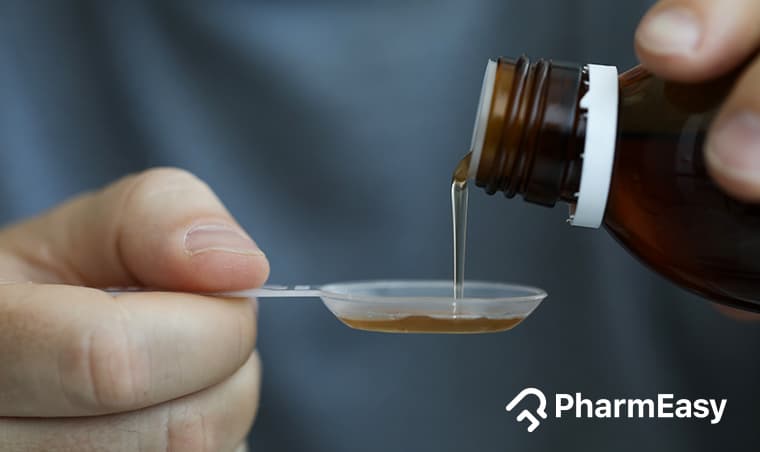
The appropriate dosage of Amritarishta varies depending on age, health situation, and the specific product formulation. Generally, the recommended dosage for adults is 15-30 ml, taken twice daily, usually after meals. It is often advised to dilute it with an equal amount of water.
For children, the dosage is typically lower, around 5-10 ml, administered under the guidance of a pediatrician or practitioner of ancient Indian medicine. Always follow the dosage instructions provided by your healthcare provider or the product manufacturer.
Never exceed the recommended dose without professional consultation. Remember, what works for one person might not be suitable for another.
Amritarishta vs. Other Formulations
While Amritarishta is highly regarded, other traditional Indian formulations also use Guduchi. For instance, Guduchyadi Kashayam or Guduchi Ghan Vati are other popular preparations.
Kashayams are decoctions, offering a different mode of action and absorption compared to the fermented Arishta. Ghan Vati are solid tablets, convenient for travel but might lack the broader spectrum of benefits derived from the fermentation process in Arishtas.
The choice between these formulations often depends on the specific ailment, the patient's constitution (Prakriti), and the practitioner's recommendation. Arishtas, due to their fermented nature and liquid form, are often considered faster acting and more easily digestible compared to some other preparations.
This is where most people struggle.
The fermentation process is key—it enhances potency and bioavailability.
Expert Opinions and Research
Leading institutions for postgraduate teaching and research in ancient Indian medicine, like the Institute for Post Graduate Teaching & Research in Ayurveda (IPGTRA), Jamnagar, have conducted extensive research on traditional Indian formulations, including Arishtas. Studies have explored their efficacy in managing conditions like diabetes, liver disorders, and inflammatory diseases.
While clinical trials in the Western sense are less common for many traditional medicines, a growing body of evidence supports their use.
The Central Council for Research in Ayurvedic Sciences (CCRAS) continuously undertakes research to validate the therapeutic claims of traditional Indian medicines. Their findings often corroborate the traditional uses with scientific data, providing a bridge between ancient wisdom and modern science.
The National Institutes of Health (NIH) also acknowledges the potential of herbal medicines, encouraging further research into their mechanisms of action and efficacy.
Worth knowing: Many modern pharmaceuticals have their origins in plant-based remedies, underscoring the therapeutic potential held within nature's pharmacy. Amritarishta is a prime example of this enduring natural pharmacopeia.
Conclusion: A Time-Tested Remedy
Amritarishta stands as a testament to the profound wisdom of ancient Indian medicine. Its multifaceted benefits, particularly in supporting digestion, immunity, and overall vitality, make it a valuable addition to a holistic wellness regimen. From Meena in Jaipur to millions across India, its appeal lies in its natural origin and time-tested efficacy.
That alone changes everything.
When considering its use, remember that personalized advice from a qualified healthcare professional is paramount. Always consult a qualified physician before making any medical decisions.
Key Takeaways:
- Amritarishta is a fermented traditional Indian liquid tonic, primarily made from Guduchi (Giloy).
- It is highly reliable in improving digestion, boosting immunity, and managing fevers.
- It also supports liver health and acts as a natural detoxifier.
- Potential side effects exist, especially due to its alcohol content; caution is advised for pregnant/breastfeeding women and children.
- Dosage should be personalized and ideally guided by a practitioner of ancient Indian medicine or physician.