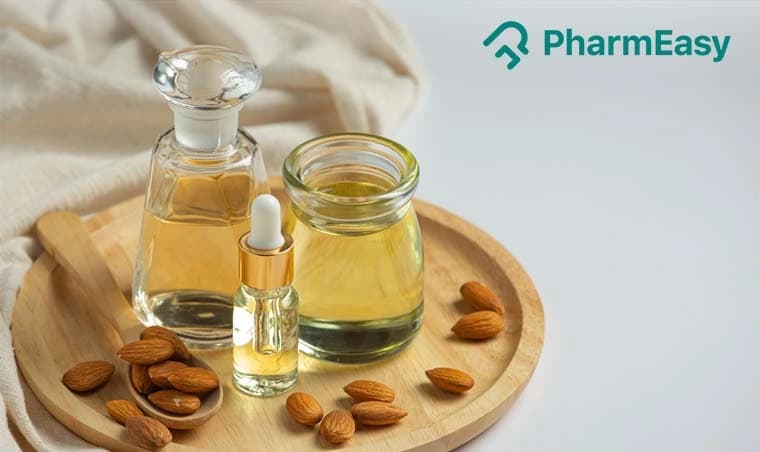
Almond Oil: A Natural Elixir for Your Well-being
Meena, 45, a homemaker from Jaipur, noticed her skin becoming increasingly dry and dull, especially after the monsoon season. Her grandmother, a staunch believer in traditional remedies, suggested gently massaging a few drops of almond oil into her skin each night. Skeptical but willing to try, Meena followed the advice.
Within a few weeks, she saw a remarkable difference. Her skin felt softer, more hydrated, and had a distinct radiance. This is just one of many stories illustrating the profound advantages of almond oil, a versatile natural product deeply ingrained in Indian households for centuries.
Almond oil, derived from the kernels of the almond tree (Prunus dulcis), is a treasure trove of nutrients. It's rich in monounsaturated and polyunsaturated fatty acids, tocopherols, retinoids, and minerals like magnesium and zinc. These components work synergistically to promote vitality and beauty from within and without. Honestly, its widespread use isn't just anecdotal; scientific research increasingly validates its efficacy.
The Science Behind Almond Oil's Power
What makes almond oil so advantageous? Its rich fatty acid profile is key. It primarily consists of oleic acid (an omega-9 fatty acid) and linoleic acid (an omega-6 fatty acid).
These beneficial fats are crucial for maintaining skin barrier function, reducing inflammation, and supporting overall cellular vitality. Think about it this way: your skin is your body's first line of defence, and almond oil helps fortify that barrier.
Tocopherols, a potent antioxidant, is another star player. It combats oxidative stress caused by free radicals, which contribute to premature ageing and various chronic diseases. Studies published in journals like The Lancet have highlighted the role of antioxidants in cellular protection. Additionally, almond oil contains phytosterols, which possess anti-inflammatory properties, making them helpful for soothing irritated skin.
Almond Oil for Radiant Skin
For skin, almond oil is nothing short of a miracle worker. Its emollient properties make it an excellent skin conditioner. Does this sound familiar? You try countless creams, but your skin still feels tight and dry. Almond oil penetrates deeply, nourishing the skin without leaving a greasy residue.
Recovery is rarely linear.
Moisturisation and Hydration: The fatty acids in almond oil help replenish the skin's natural lipid barrier, preventing moisture loss and keeping the skin supple. Applying it after a bath, when the skin is still slightly damp, can significantly enhance its hydrating effect. This practice is common in many Indian homes, especially during the dry winter months.
Anti-ageing Properties: The antioxidant power of tocopherols helps fight free radical damage, which is a primary driver of wrinkles and fine lines. Regular application can lead to a more youthful and radiant complexion. You might see a reduction in the appearance of crow's feet and age spots over time.
Soothing Irritated Skin: Its anti-inflammatory properties make it effective for calming conditions like eczema, psoriasis, and general skin irritation. It can provide relief from itching and redness. Many dermatologists recommend it as a gentle, natural alternative or supplement to conventional treatments.
Reducing Dark Circles: Gently massaging a small amount of almond oil around the eyes before bed can benefit lighten dark circles and reduce puffiness. The vitamin K content is believed to play a role in this, although more research is needed. Have you ever wondered why this simple remedy is so popular?
Improving Complexion: By providing essential nutrients and improving circulation, almond oil can contribute to a more even skin tone and a brighter complexion. Its ability to penetrate the skin aids in delivering these advantages effectively.
Almond Oil for Lustrous Hair
The advantages extend to hair care as well. Almond oil is a popular ingredient in traditional Indian hair care rituals, often massaged into the scalp and hair.
Strengthening Hair: Rich in magnesium and tocopherols, almond oil helps strengthen hair strands, reducing breakage and split ends. Regular scalp massages with warm almond oil can improve blood circulation, promoting healthier hair growth. This is particularly helpful for those experiencing hair fall, a usual concern affecting millions in India.
Adding Shine and Softness: The oil coats the hair shaft, smoothing the cuticle and adding a beautiful, inherent shine. It also makes hair softer and more manageable. Many find that their hair feels less frizzy and more silky after consistent use.
Scalp Health: Almond oil can support soothe a dry, itchy scalp. Its antifungal and antibacterial properties may also enable combat dandruff. A healthy scalp is the foundation for healthy hair growth.
Protecting from Damage: The fatty acids in almond oil can benefit protect hair from environmental damage, including UV exposure and pollution. This protective layer acts as a shield.
Almond Oil for Overall Vitality
Beyond skin and hair, almond oil offers several vitality advantages when consumed orally. Sweet almond oil is the type typically used for culinary purposes.
Heart Health: The monounsaturated fats in almond oil can aid lower LDL (bad) cholesterol and raise HDL (good) cholesterol, supporting cardiovascular vitality. The Indian Heart Association (IHA) often emphasizes the advantages of incorporating healthy fats into the diet. Over 101 million Indians have diabetes (ICMR, 2023), and managing cholesterol is a crucial aspect of preventing related heart complications.
Blood Sugar Control: Studies suggest that almond oil may aid elevate insulin sensitivity and manage blood sugar levels, making it a potentially advantageous addition to the diet for individuals with or at risk of type 2 diabetes. The International Diabetes Federation (IDF) notes the importance of diet in diabetes management.
Nutrient Absorption: Tocopherols in almond oil can enhance the absorption of fat-soluble vitamins (A, D, E, K) from other foods. This means that when you use almond oil in your cooking, you're potentially getting more nutritional value from your meal.
Weight Management: Despite being an oil, the healthy fats and protein in almonds (and by extension, almond oil) can promote satiety, potentially aiding in weight management efforts. Practically speaking, including healthy fats in your diet can support you feel fuller for longer, reducing overall calorie intake.
Types of Almond Oil: Sweet vs. Bitter
It's crucial to distinguish between the two main types of almond oil:
Sweet Almond Oil: This is the most usual type, extracted from culinary almonds. It is safe for topical application and consumption. It has a mild, nutty flavour and aroma. Most of the advantages discussed above pertain to sweet almond oil.
Bitter Almond Oil: Extracted from bitter almonds, this oil contains a compound called benzaldehyde, which gives it a stronger aroma. It also contains amygdalin, which can break down into hydrogen cyanide. Bitter almond oil is primarily used in aromatherapy and as a flavouring agent in very small, controlled quantities. It is NOT recommended for topical use or consumption in its pure form due to potential toxicity. What most people miss: the distinction is vital for safety.
How to Use Almond Oil Effectively
Incorporating almond oil into your routine is simple:
For Skin: Apply a few drops directly to clean skin, massaging gently. Use it as a makeup remover, massage oil, or add it to your moisturiser. For a more intense treatment, apply a slightly larger amount before bedtime.
For Hair: Warm the oil slightly and massage it into your scalp and hair. Leave it on for at least 30 minutes (or overnight) before shampooing. You can also apply a small amount to the ends of your hair to combat dryness and frizz.
For Consumption: Use sweet almond oil in salad dressings, marinades, or as a finishing oil for dishes. A teaspoon taken daily is a usual practice for some seeking its vitality advantages.
Potential Side Effects and Precautions
While generally safe, some precautions are necessary:
Allergies: Individuals with nut allergies, particularly almond allergies, should avoid almond oil altogether. Perform a patch test on a small area of skin before widespread topical application if you have sensitive skin or a history of allergies.
Purity: Ensure you are using 100% pure, cold-pressed sweet almond oil, especially if consuming it. Adulterated oils may contain harmful substances or lack the beneficial compounds. Look for reputable brands, ideally those sourcing from organic farms.
Bitter Almond Oil Caution: As mentioned, never use bitter almond oil for skin or consumption due to its toxic potential.
Storage: Store almond oil in a cool, dark place in an airtight container to prevent oxidation and maintain its freshness. Properly stored, it can last for up to a year.
The widespread adoption of almond oil, from ancient Ayurvedic practices to modern cosmetic formulations, speaks volumes about its enduring appeal. Its rich nutrient profile and gentle nature make it a favourite for many seeking natural solutions for vitality and beauty.
The affordability and accessibility of pure almond oil in India further contribute to its popularity, making it a staple in many kitchens and bathrooms.
Key Takeaways
- Almond oil is rich in tocopherols and retinoids, healthy fats, and minerals, offering significant advantages for skin and hair.
- It acts as an excellent skin conditioner, soothes irritation, and possesses anti-ageing properties for the skin.
- For hair, it strengthens strands, adds shine, and promotes scalp health, reducing breakage and hair fall.
- When consumed (sweet almond oil), it supports heart vitality and may aid in blood sugar management.
- Always distinguish between sweet (safe) and bitter (toxic) almond oil, using only pure sweet almond oil for topical or internal use.
Always consult a qualified physician before making any medical decisions.