

Free Helpline
We are here to assist you.
Health Advisor
+91-8877772277Available 7 days a week
10:00 AM – 6:00 PM to support you with urgent concerns and guide you toward the right care.

We are here to assist you.
Health Advisor
+91-8877772277Available 7 days a week
10:00 AM – 6:00 PM to support you with urgent concerns and guide you toward the right care.
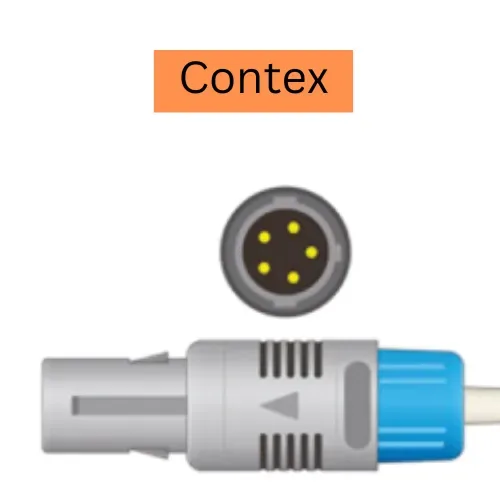
* Prices shown are indicative. Clicking "Buy" will take you to the retailer's website. Doctar may earn a small affiliate commission at no extra cost to you.
This is a reusable SpO2 sensor probe designed for use with Contex patient monitoring systems. It features a 3-meter cable for extended reach and flexibility during patient monitoring procedures. The sensor is constructed from durable, medical-grade materials to ensure longevity and reliable performance in clinical settings.
Its design prioritizes patient comfort and ease of application, facilitating accurate oxygen saturation and pulse rate readings. The probe connects directly to compatible Contex patient monitors, integrating seamlessly into existing monitoring workflows. This accessory is intended for use by trained medical professionals to continuously or intermittently assess a patient's physiological status.
The SpO2 sensor probe operates by utilizing a dual-wavelength LED emitter and a photodetector. The LEDs emit red and infrared light, which are transmitted through pulsatile arterial blood. The photodetector measures the amount of light that passes through the tissue.
By analyzing the differential absorption of these two wavelengths by oxygenated and deoxygenated hemoglobin, the device calculates the arterial oxygen saturation (SpO2) level. Simultaneously, the pulsatile nature of the arterial blood flow allows for the detection of pulse rate. This non-invasive method provides real-time physiological data essential for patient assessment and management.
Key features of this SpO2 sensor probe include its compatibility with Contex patient monitors, ensuring proper integration and data acquisition. The 3-meter cable offers significant maneuverability, allowing for patient repositioning without disrupting the monitoring connection. The probe is designed for repeated use, requiring appropriate cleaning and disinfection protocols as per medical device guidelines to maintain sterility and prevent cross-contamination.
Its robust construction contributes to its reliability in demanding healthcare environments. The sensor is intended to provide accurate and consistent measurements, aiding clinicians in making informed treatment decisions.
This SpO2 sensor probe is utilized by a range of medical professionals, including nurses, respiratory therapists, anesthesiologists, and physicians, in various healthcare settings. Patients requiring continuous or periodic monitoring of their oxygen saturation levels, such as those in intensive care units, post-operative recovery areas, emergency departments, or during diagnostic procedures, are the end-users of the monitoring systems employing this sensor. Caregivers may also be involved in the application and monitoring of the sensor under the guidance of medical professionals.
Typical applications for this SpO2 sensor probe include monitoring patients with respiratory conditions such as COPD or asthma, individuals undergoing anesthesia or sedation, critically ill patients, and those recovering from surgery. It is also used in sleep studies and for assessing the effectiveness of oxygen therapy. The probe can be applied to various anatomical sites, most commonly the finger, but also the toe or earlobe, depending on patient condition and the specific monitoring protocol.
Proper placement is crucial for obtaining accurate readings.
Important usage notes include ensuring the sensor is correctly applied to the designated anatomical site, free from excessive movement or pressure that could affect readings. The skin beneath the sensor should be clean and dry. The probe should be inspected for any damage before each use.
Following the manufacturer's recommended cleaning and disinfection procedures between uses is mandatory to prevent infection transmission. The sensor's performance may be affected by ambient light, patient motion, and certain medical conditions such as poor peripheral perfusion or nail polish. Clinicians should be aware of these potential limitations and interpret the data in conjunction with other clinical findings.
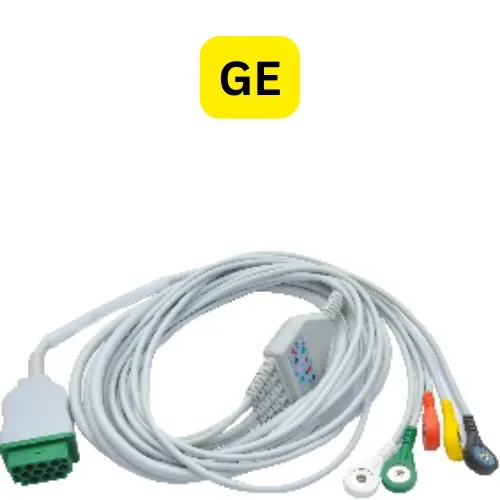
Atrium
ECG-EKG Cable- GE-5 leads Compatible
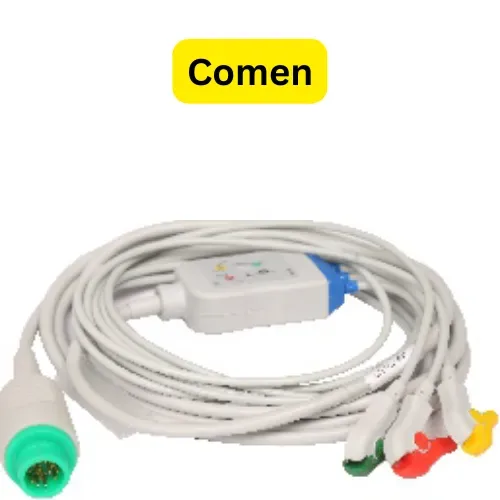
Atrium
ECG-EKG Cable- Comen-3 leads compatible
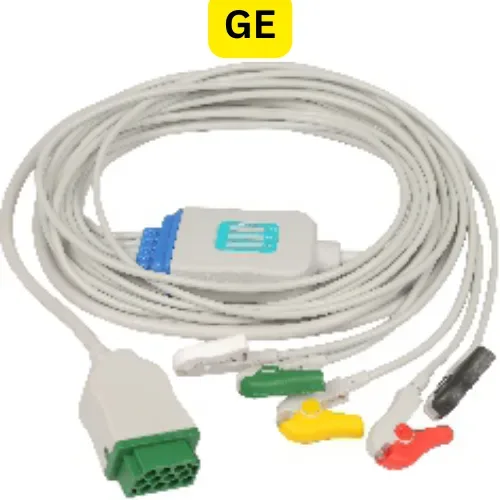
Atrium
ECG-EKG Cable- GE -5 leads Compatible
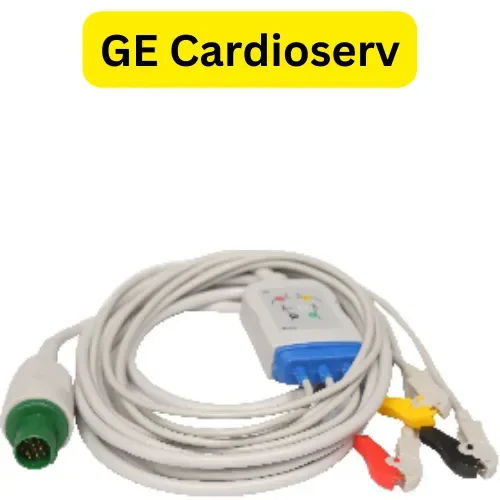
Atrium
ECG-EKG Cable- GE Cardioserv-3 leads Compatible
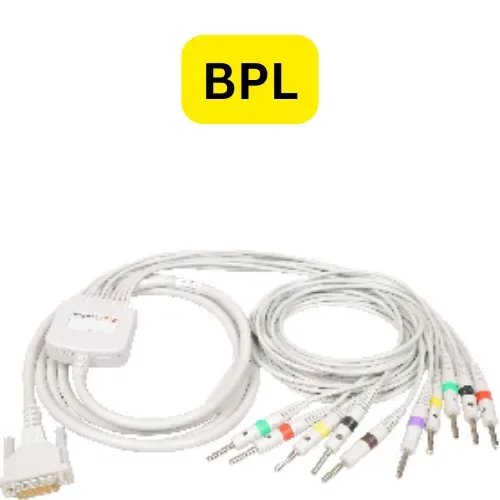
Atrium
ECG-EKG Cable- BPL -10 leads Compatible
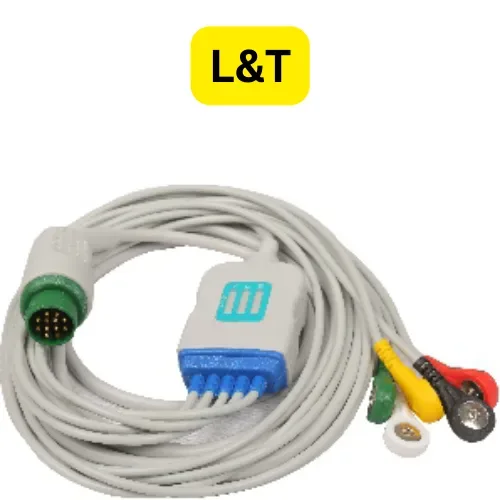
Atrium
ECG-EKG Cable- LandT -5 leads Compatible
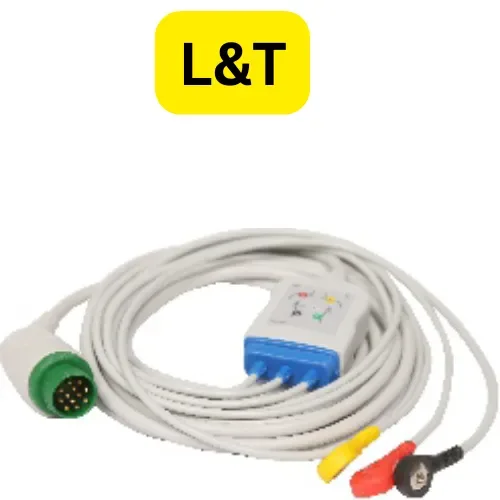
Atrium
ECG-EKG Cable- L&T-3 leads compatible
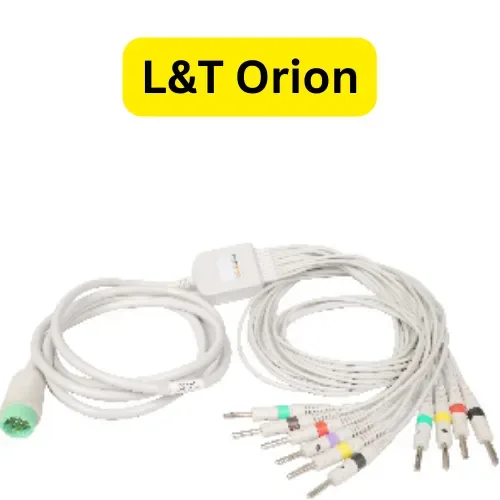
Atrium
ECG-EKG Cable- L&T Orion -10 leads Compatible