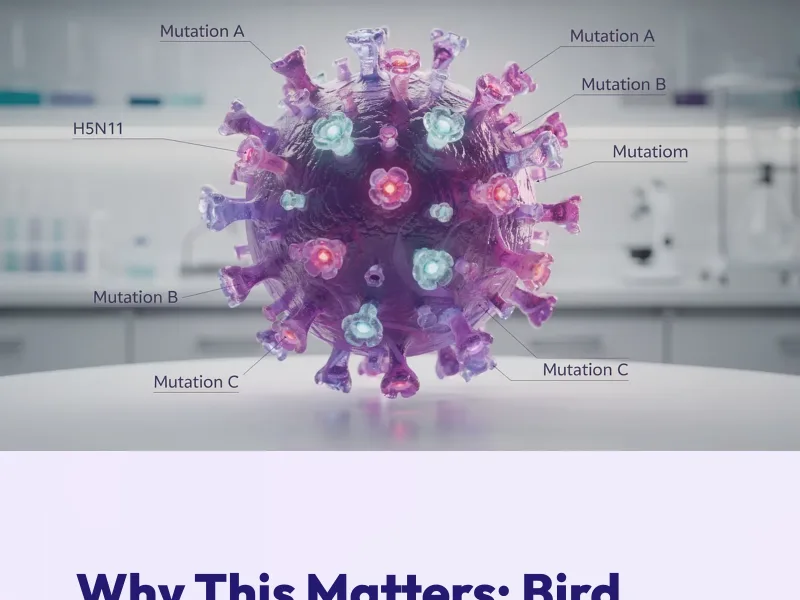
Chikungunya Alert 2026: Prevention, Symptoms & Mosquito Control in SE Asia
Urgent 2026 Chikungunya health update for Hong Kong & SE Asia. Learn the symptoms, DEET prevention tips, and how to eliminate breeding sites. Act now to stop the spread.
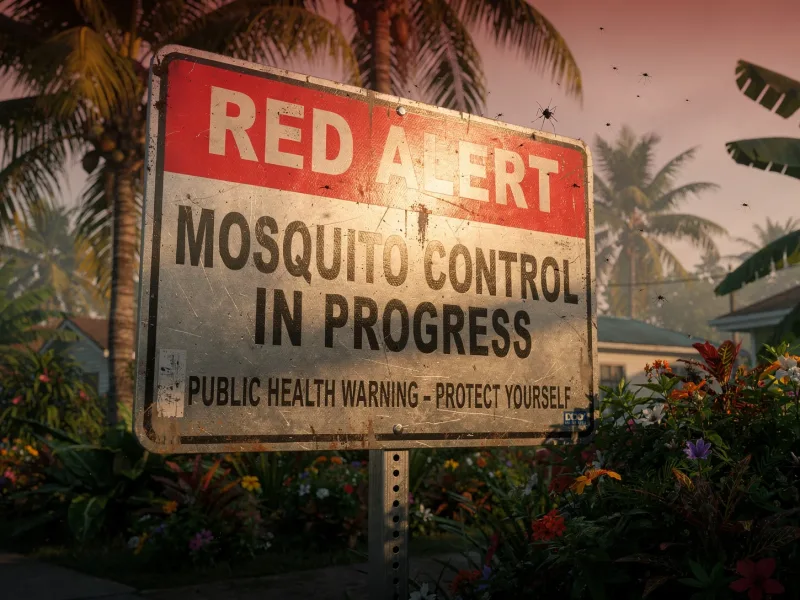
Chikungunya Alert: Act Now to Protect Your Community
Health authorities across Hong Kong and Southeast Asia have issued urgent updates today. Enhanced mosquito control is underway.
What Is Chikungunya?
Key Facts
A viral disease transmitted by infected Aedes mosquitoes causing severe joint pain and fever
Symptoms appear 3-7 days after bite
Joint pain can persist for months
No specific antiviral treatment available
Prevention is your best defence
Regions on High Alert Today
Hong Kong
Enhanced surveillance following imported cases. Control operations active in densely populated districts with immediate effect.
Southeast Asia
Multiple countries reporting increased activity. Travel advisories updated for Thailand, Malaysia, Singapore, and Vietnam.
Why 2026 Demands Your Attention
Projected Peak Year
Highest anticipated vector-borne disease activity in the region
Increased Risk
Three times higher transmission potential compared to 2024
Action Window
Control measures must begin within one day of detection
Recognise the Symptoms Early
Sudden Fever
High temperature onset, often above 39°C
Severe Joint Pain
Debilitating pain in hands, wrists, ankles, feet
Additional Signs
Headache, muscle pain, rash, fatigue
If you experience these symptoms after travel or mosquito exposure, seek medical attention immediately. Early diagnosis helps prevent complications.
Your Personal Protection Plan
Public health officials emphasise that personal protection is your first line of defence. DEET-based repellents with at least 30% concentration provide 4-6 hours of protection. Reapply after swimming or heavy perspiration.
Eliminate Breeding Sites at Home
Inspect Weekly
Check all water containers, plant saucers, gutters, and drains for standing water
Empty and Scrub
Remove water and scrub container walls where mosquito eggs attach
Cover or Dispose
Seal water storage tanks and discard items that collect rainwater
Enhanced Control Operations Underway
What Authorities Are Doing
Following today's imported case reports, health departments have mobilised rapid response teams across affected regions.
Operations include targeted insecticide fogging, larval surveillance in high-risk areas, and community engagement programmes launched this week.
Community Action Makes the Difference
Report Breeding Sites
Contact local health authorities about abandoned properties or large water accumulations
Educate Neighbours
Share prevention information with elderly residents and those with limited mobility
Join Control Efforts
Participate in community clean-up days and surveillance programmes
Take Action Today
With 2026 projected as a high-activity year for vector-borne diseases, every action counts. Check your property for stagnant water today, stock up on DEET repellent, and stay informed through official health channels.
Your vigilance protects entire communities. Share this information with family, friends, and neighbours—particularly those travelling to or from affected regions.
Find Local Health ResourcesShare This Alert