Understanding Your Pregnancy Journey: A Trimester-by-Trimester Guide
Pregnancy is a remarkable and transformative period in a woman's life, filled with anticipation, excitement, and a myriad of physical and emotional changes. As you embark on this incredible journey, it's natural to wonder what lies ahead. This comprehensive guide aims to provide a clear and practical overview of what to expect during each trimester, helping you feel informed and prepared. Remember, every pregnancy is unique, and your experience may differ, but understanding the general milestones can offer valuable reassurance.
Calculating Your Due Date
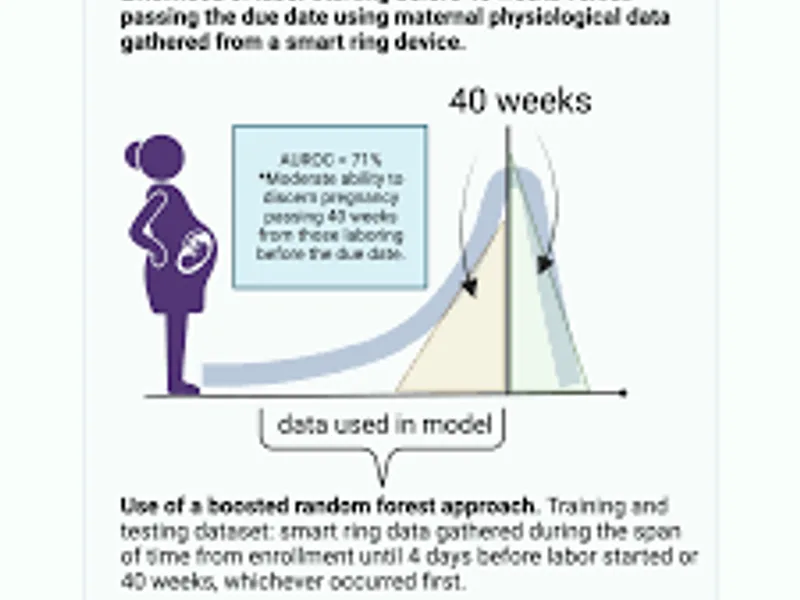
Your estimated due date (EDD), or expected day of delivery, is typically calculated by adding 280 days (or 40 weeks) to the first day of your last menstrual period (LMP). This calculation provides a target, but it's important to remember that only a small percentage of babies are born exactly on their due date. Your healthcare provider will use this date as a reference point for monitoring your pregnancy.
The First Trimester: Weeks 1-13
The first trimester is a period of rapid development for your baby and significant hormonal shifts for you. Many early pregnancy symptoms emerge during these crucial weeks.
Early Signs and Symptoms
- Missed Period: This is often the first and most obvious sign of pregnancy.
- Breast Tenderness: Your breasts may become swollen, sore, and more sensitive due to hormonal changes.
- Nausea and Vomiting (Morning Sickness): While often called "morning sickness," nausea can occur at any time of day. It's a very common symptom, though its severity varies greatly among women.
- Fatigue: Feeling unusually tired is common as your body works hard to support the developing pregnancy.
- Increased Urination: You might find yourself needing to urinate more frequently as your body increases blood flow and your kidneys process more fluid.
- Food Cravings or Aversions: You may develop strong cravings for certain foods or a sudden dislike for others.
- Mild Cramping and Spotting: Some women experience light cramping or spotting as the fertilized egg implants in the uterus.
Key Milestones and Appointments
- First Prenatal Visit: This crucial appointment usually occurs between weeks 8 and 12. Your doctor or midwife will confirm your pregnancy, discuss your medical history, perform initial tests (including blood work and urine tests), and talk about lifestyle habits and genetic screening options.
- Fetal Development: By the end of the first trimester, your baby, now called a fetus, has developed all its major organs and body parts. The heart begins to beat, and the brain starts to form.
- Uterine Growth: Your uterus will begin to grow, though it may not be externally noticeable yet.
- Hormonal Changes: Your body is producing significant amounts of pregnancy hormones like hCG, estrogen, and progesterone, which drive many of the early changes.
- Lifestyle Adjustments: It's vital to start taking prenatal vitamins, including folic acid, which is crucial for preventing neural tube defects. Cutting out unhealthy habits like smoking and limiting alcohol and caffeine intake are also essential.
- Selecting Your Provider: If you haven't already, this is the time to choose a doctor or midwife you feel comfortable with for your prenatal care.
The Second Trimester: Weeks 14-27
Often referred to as the "golden period" of pregnancy, the second trimester usually brings a decrease in nausea and fatigue, and a noticeable increase in your baby's growth and your own physical changes.
Changes and Symptoms
- Visible Baby Bump: Your belly will start to grow noticeably, and you may begin to "show" your pregnancy to others.
- Feeling Fetal Movement (Quickening): Many women feel their baby's first movements, often described as flutters, between weeks 16 and 22.
- Increased Energy: Many women experience a boost in energy levels compared to the first trimester.
- Skin Changes: You might notice changes like the linea nigra (a dark line down your abdomen) or chloasma (patches of discoloration on your face, often called the "mask of pregnancy").
- Breast Changes: Your breasts will continue to grow, and you may notice the production of colostrum, a precursor to breast milk.
- Body Aches: As your body changes and your weight increases, you might experience backaches and pelvic pain.
- Heartburn and Indigestion: Hormonal changes and the growing uterus can put pressure on your digestive system, leading to these issues.
Key Milestones and Appointments
- Regular Prenatal Check-ups: You'll typically see your doctor or midwife every 4 weeks. These appointments will involve monitoring your weight, blood pressure, measuring your baby's growth (fundal height), and listening to the baby's heartbeat. Urine and blood tests may also be performed.
- Anatomy Scan: Around weeks 18-22, a detailed ultrasound called the anatomy scan is usually performed. This allows your provider to check the baby's development, organs, and gender (if you choose to know).
- Gestational Diabetes Screening: Between weeks 24 and 28, you'll likely undergo a blood sugar test to screen for gestational diabetes, a type of diabetes that can develop during pregnancy.
- Maternal Serum Screening/Quad Screen: If recommended, this blood test can help assess the risk of certain chromosomal abnormalities in the baby, such as Down syndrome.
- Fetal Growth: By the end of the second trimester, your baby can be around 13 inches long and weigh about 2 pounds.
- Weight Gain: By this stage, you may have gained approximately 16 to 22 pounds, though this varies.
- Increased Blood Volume: Your body's blood volume increases significantly, by about 40-50%, to support the pregnancy.
The Third Trimester: Weeks 28-40+
The final trimester is a time of significant growth for your baby and preparation for birth. You may experience increased discomfort and anticipation as your due date approaches.
Changes and Symptoms
- Increased Fetal Movement: While the baby is growing, you should still feel regular movements. Any significant decrease in movement should be reported to your doctor.
- Shortness of Breath: The growing uterus can press on your diaphragm, making breathing more difficult.
- Swelling: Swelling in the feet, ankles, and hands is common due to fluid retention and pressure from the uterus.
- Braxton Hicks Contractions: You may experience "practice" contractions, which are irregular and usually not painful, designed to prepare your body for labor.
- Heartburn and Constipation: These issues can persist or worsen as the uterus grows.
- Difficulty Sleeping: Finding a comfortable sleeping position can become challenging.
- Pelvic Pressure: As the baby drops lower into your pelvis (lightening), you may feel increased pressure.
- Mucus Plug Loss: Around week 37, you might notice the loss of your mucus plug, a thick discharge that seals the cervix. This is a sign that your body is preparing for labor.
Key Milestones and Appointments
- More Frequent Check-ups: From around week 28, your prenatal visits will likely become more frequent, often every 2 weeks, and then weekly in the final month.
- Monitoring Fetal Position: Your doctor will check the baby's position in the uterus, ideally head-down for vaginal birth.
- Group B Streptococcus (GBS) Screening: A swab test is usually done between weeks 35 and 37 to check for GBS bacteria, which can be harmful to the baby during delivery.
- Labor Signs: You'll learn to recognize the signs of true labor, including regular, increasingly strong contractions, water breaking, and back pain.
- Birth Plan Discussion: You and your provider will discuss your preferences for labor and delivery.
- Baby's Readiness: By week 37, your baby is considered full-term. Their lungs are mature, and they are ready for life outside the womb.
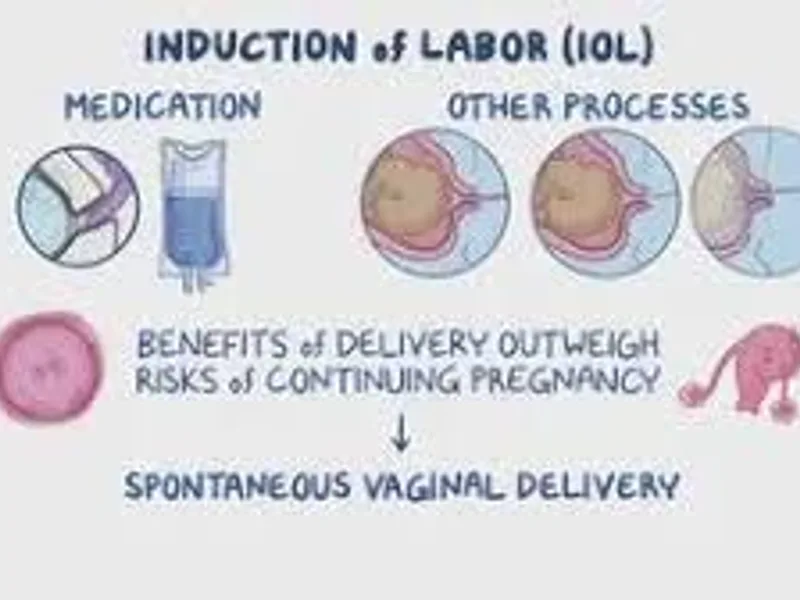
- Approaching Due Date: If your baby hasn't arrived by week 40, your doctor will discuss options for induction if necessary.
When to Consult Your Doctor Immediately
While this guide provides general expectations, it's crucial to contact your healthcare provider immediately if you experience any of the following:
- Severe abdominal pain or cramping
- Vaginal bleeding (more than spotting)
- Leaking fluid from your vagina (potential water breaking)
- Decreased fetal movement
- Severe headache, blurred vision, or sudden swelling (potential signs of preeclampsia)
- Fever or chills
- Pain or burning during urination
Conclusion
Navigating pregnancy is a journey of continuous learning and adaptation. By understanding the typical changes and milestones of each trimester, you can approach this experience with greater confidence and peace of mind. Always communicate openly with your healthcare provider about any concerns or questions you may have. Embracing the journey, with all its wonders and challenges, is key to a healthy and fulfilling pregnancy.