I remember sitting with a friend at 40 weeks and three days. She was calm on the outside, but her phone kept lighting up—“any news?” messages from everyone. That’s when it hits you. Pregnancy beyond due date isn’t just a number on a calendar. It’s pressure, waiting, and a growing list of “what ifs.” Doctors start bringing up induction or even surgery, and suddenly things feel less natural and more medical. It can be confusing, even a bit scary.
Here’s the part people don’t always say out loud. Due dates aren’t exact. They’re estimates. Plenty of women go a few days over and everything is perfectly fine. But once you cross 40 weeks, and especially 41, doctors start thinking differently.
The placenta, which has been doing all the heavy lifting, doesn’t stay perfect forever. In some cases, it becomes less efficient. That means the baby might not get as much oxygen or nutrients as before. Not always. But enough times that doctors pay attention.
There’s also the baby’s size. The longer the pregnancy continues, the bigger the baby can get. Sounds cute in theory, but in reality, it can make delivery harder. I’ve seen cases where labor just wouldn’t progress because the baby was too large.
And then there’s amniotic fluid levels. They can drop. Quietly. Without obvious signs. That’s what worries doctors the most—problems that don’t show up until they’re serious.
So when they suggest surgery after 40 weeks, it’s not about rushing you. It’s about reducing risk before something unpredictable happens.
This is where things get practical. If your pregnancy goes beyond the due date, your doctor usually won’t jump straight to surgery. That’s a common fear, but not quite accurate.
First, they monitor you more closely. You’ll likely have more frequent checkups. They’ll check the baby’s heartbeat, movement, and fluid levels. Sometimes everything looks fine, and they’ll ask you to wait a bit longer.
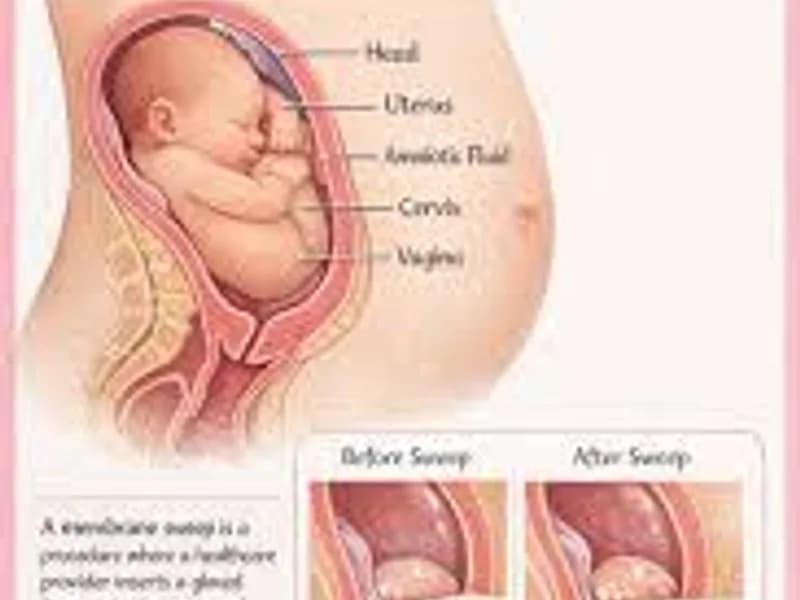
But if things look even slightly off—or if you cross 41 weeks—they’ll talk about induction. That means helping your body start labor. It could be medication. It could be a procedure to soften the cervix. It depends on your situation.
Now, here’s the honest part. Induction doesn’t always work smoothly. In some cases, labor doesn’t progress as expected. That’s when a cesarean (C-section) becomes necessary.
From what I’ve seen, the decision usually isn’t sudden. It builds step by step. Doctors try safer options first. Surgery becomes the backup plan when those don’t work or when the baby shows signs of distress.
If you’re in this situation, ask questions. Not politely—clearly. Ask why they’re recommending it. Ask what happens if you wait. You deserve to understand, not just follow instructions.
The emotional side nobody really prepares you for
This part hits differently. You spend months imagining a certain kind of birth. Natural, calm, maybe even planned down to the playlist. Then pregnancy beyond due date shifts the script.
Suddenly, it’s medical terms. Timelines. Decisions.
It’s okay to feel disappointed. Or confused. I’ve seen women feel like they “failed” because they needed induction or surgery. That idea needs to go. Birth isn’t a performance. It’s a process, and sometimes it takes turns you didn’t plan for.
What matters is a safe outcome. That’s it.
Conclusion
If your pregnancy beyond due date is stretching longer than expected, it doesn’t mean something is wrong—but it does mean things need closer attention. Doctors recommend surgery after 40 weeks not to scare you, but to stay ahead of risks that can quietly build. Trust your instincts, but also listen carefully to medical advice. Somewhere between the two is the right decision for you—and your baby.