Childbirth is a profound experience, and for most expectant mothers, labor unfolds over several hours, offering time to adapt and receive medical support. However, for a small percentage, labor can be remarkably fast – a phenomenon known as precipitous labor. This rapid progression can be surprising and even alarming, especially for first-time mothers. Understanding what precipitous labor is, who might be at risk, and what to do if it happens can make a significant difference in managing this intense experience.
What Exactly is Precipitous Labor?
Precipitous labor is defined as labor that progresses very quickly, typically lasting less than 3 hours from the start of regular contractions to the birth of the baby. This is significantly shorter than the average labor duration, which can range from 3 to 30 hours for first-time mothers and 3 to 15 hours for those who have had previous births. The key characteristic is the speed and intensity of contractions that come one after another with little to no break in between.
Imagine this scenario: You've been having mild contractions for about an hour, thinking you have plenty of time before heading to the hospital. Suddenly, they intensify dramatically, becoming almost back-to-back. You feel an overwhelming urge to push, and you realize that things are moving much, much faster than you or your birth partner anticipated. This is the essence of precipitous labor – a rapid and furious onset that demands immediate attention and action.
Recognizing the Signs of Precipitous Labor
While precipitous labor can sometimes occur with little warning, there are signs that can indicate it might be starting:
- Sudden Increase in Contraction Intensity and Frequency: Contractions become very strong and occur very close together, often with less than a minute or two between them.
- Little to No Break Between Contractions: You might feel like you're in a continuous wave of strong tightening and releasing.
- Overwhelming Urge to Push: You feel a powerful, irresistible need to bear down and push, even if you haven't been told you're fully dilated.
- Rapid Cervical Dilation: While not something you can directly feel, your healthcare provider would observe very rapid opening of the cervix.
Who is at Higher Risk for Precipitous Labor?
While precipitous labor can happen to anyone, certain factors may increase a woman's risk:
- Previous Precipitous Labor: Women who have experienced rapid labor before are more likely to have it again.
- High Parity: Having had several previous births can sometimes be associated with faster labor.
- Uterine Abnormalities or Fibroids: Structural issues in the uterus might influence labor speed.
- Certain Medical Conditions: Conditions like placental abruption (where the placenta detaches from the uterus prematurely) have been linked to a higher risk.
- Smaller Baby Size: While counterintuitive, a smaller fetus (less than 2500 grams or about 5.5 lbs) might sometimes be associated with faster labor.
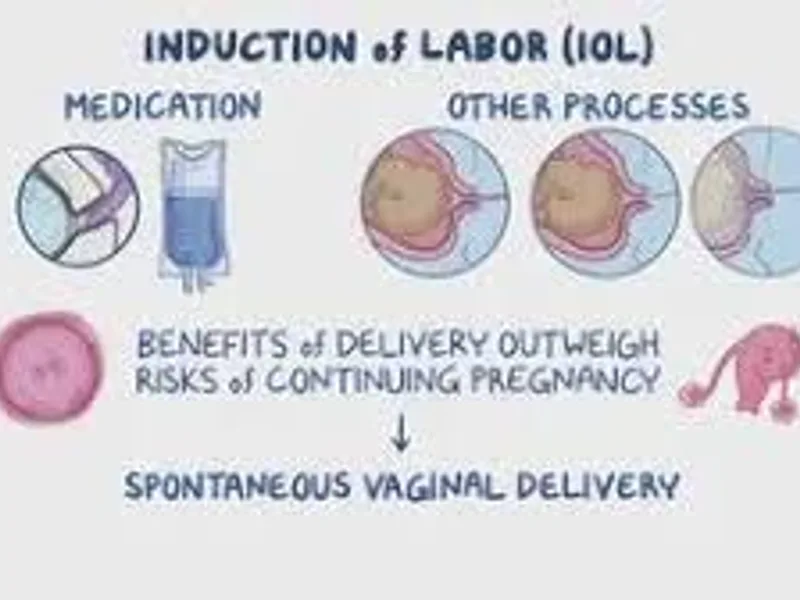
- Induction of Labor: In some cases, labor induction methods, like using prostaglandin E2 (PGE2) to ripen the cervix, might be a factor, though this is complex and depends on many variables.
It's important to remember that not all risk factors mean precipitous labor will occur, and sometimes it happens without any identifiable risk factors.
Potential Complications of Precipitous Labor
In many instances, precipitous labor progresses without significant issues, and both mother and baby are perfectly healthy. However, there are potential complications that can arise due to the rapid and intense nature of this type of labor:
For the Mother:
- Tearing (Lacerations): The rapid passage of the baby can cause tearing of the cervix, vaginal tissues, or the perineum (the area between the vaginal opening and the anus). This can lead to significant bleeding.
- Postpartum Hemorrhage: Excessive bleeding after delivery can occur due to the uterus not contracting effectively to stop bleeding, or from significant lacerations.
- Pain Management Challenges: The speed of labor may mean that pain relief methods like epidurals, which require time to administer and take effect, are not feasible.
- Increased Risk of Infection: Although less common, rapid labor can sometimes be associated with a slightly increased risk of infection.
For the Baby:
- Birth Injuries: The rapid descent through the birth canal can sometimes lead to minor injuries for the baby, though severe injuries are rare.
- Respiratory Distress: Occasionally, babies born very quickly might have temporary breathing difficulties.
It's vital to discuss these potential risks with your healthcare provider. Knowing the possibilities helps in preparing and managing expectations.
What to Do if You Suspect Precipitous Labor
If you believe you are experiencing precipitous labor, acting quickly and calmly is key:
- Call Your Doctor or Midwife Immediately: Do not wait. Describe your contractions – how close they are, how intense they feel, and if you feel the urge to push.
- Do Not Try to Get to the Hospital if Labor is Too Advanced: If you are having very strong, back-to-back contractions and feel the urge to push, and you are not close to the hospital, it may be safer to prepare for delivery at home or on the way. Your healthcare provider will guide you on this.
- Stay Calm and Safe: If you cannot reach medical help in time, try to remain as calm as possible. Ensure you are in a safe, relatively clean place.
- Follow Medical Advice: Listen carefully to the instructions from your doctor or midwife over the phone. They can guide you and your partner through the process.
When to Consult Your Doctor
You should always consult your doctor or midwife throughout your pregnancy. However, be sure to reach out promptly if you experience any of the following:
- Contractions that suddenly become very strong and close together.
- An overwhelming urge to push that starts very early in labor.
- Any concerns about the speed or intensity of your labor.
- Any bleeding or unusual symptoms during labor.
Prevention and Preparation
While precipitous labor cannot always be prevented, preparation can ease anxiety and ensure a smoother experience if it occurs:
- Attend All Prenatal Appointments: Regular check-ups allow your doctor to monitor your pregnancy progress, identify potential risk factors, and discuss your birth plan.
- Discuss Your History: If you have a history of precipitous labor or other risk factors, make sure your healthcare provider is aware.
- Have a Birth Plan Ready: Discuss with your partner and doctor what you would do in various scenarios, including a very fast labor. Know the route to the hospital and have your hospital bag packed well in advance.
- Educate Yourself and Your Partner: Understanding the signs and what to do can empower you both. Consider attending childbirth classes.
Frequently Asked Questions (FAQ)
Can precipitous labor harm the baby?
While precipitous labor can be intense, severe harm to the baby is rare. The main risks involve potential minor injuries from the rapid passage or temporary breathing issues, which are usually managed effectively. Your medical team will monitor the baby's well-being closely.
Is precipitous labor more painful?
Because the contractions are so strong and come so close together, precipitous labor is often described as being more intense and potentially more painful than typical labor. The lack of breaks between contractions can be exhausting.
Will I definitely tear if I have precipitous labor?
Not necessarily. While the risk of tearing is higher due to the rapid delivery, many women experience precipitous labor without significant lacerations, especially if the baby is smaller or the mother has good tissue elasticity. Your healthcare provider will take steps to minimize tearing during delivery.