There’s a strange moment near the end of pregnancy where every cramp feels like a signal. I’ve seen it so many times—someone at 39 weeks, half excited, half exhausted, wondering, “Is this it?” The natural signs labour is near aren’t always dramatic. Sometimes they’re quiet. Subtle. Easy to dismiss. And yet, they matter. Especially as you approach or cross that 40-week mark, when doctors start talking about induction or even surgery. That shift can feel sudden, but there’s logic behind it.
So what are the real natural signs labour is near?
Let’s be honest—most online lists make it sound like a checklist. It rarely works that way.
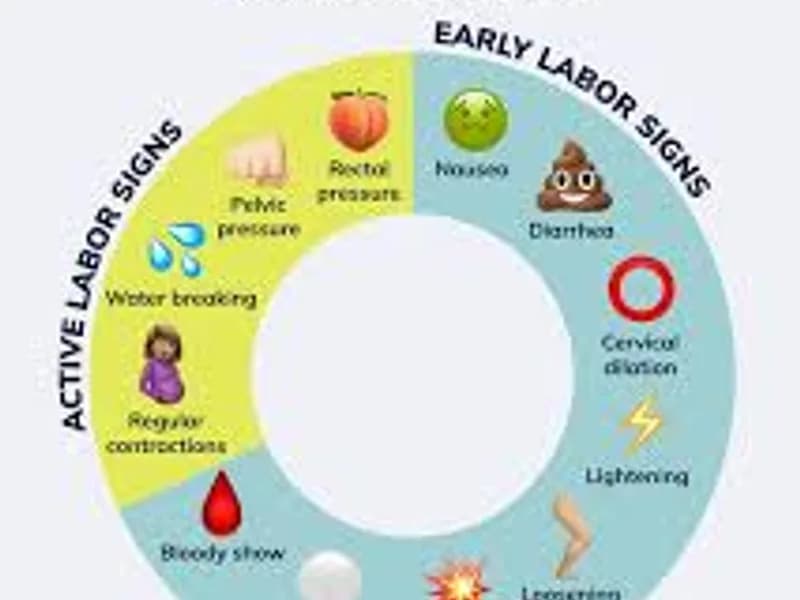
One of the earliest signs is the baby “dropping” lower into your pelvis. You might notice it when breathing feels easier but walking suddenly feels heavier. It’s not glamorous. Another sign is a change in discharge—often called the mucus plug. Sounds unpleasant, but it’s your body preparing. Then there are contractions, but not the dramatic movie kind at first. Early contractions feel like dull back pain or tightness that comes and goes.
Here’s what most guides won’t tell you: these signs can stretch over days. Sometimes even weeks. I’ve seen women rush to the hospital three times before actual labour begins. It’s frustrating, but normal. Your body is warming up, not failing.
Why doctors push for action after 40 weeks
This is where things get a bit more serious.
Once you cross 40 weeks, the conversation changes. Doctors aren’t trying to scare you—they’re watching risks. The placenta, which supports your baby, doesn’t function as efficiently forever. That’s just biology. After a certain point, usually around 41–42 weeks, the chances of complications slowly increase.
So what actually happens?
First, your doctor may suggest inducing labour. That could mean medication or simple methods like breaking the water. If your body still doesn’t respond, surgery—usually a C-section—comes into the picture. Not because it’s convenient, but because waiting too long can put both you and the baby at risk.
If you’re in this situation, ask direct questions. How is the baby’s heart rate? Is the fluid level okay? These answers matter more than the calendar date alone.
The part nobody prepares you for
Here’s something people don’t say enough: the emotional side of waiting can be harder than the physical signs.
You might feel pressure from family. Messages every day. “Any news?” It adds up. Then there’s the quiet doubt—wondering if your body will go into labour naturally at all. That’s where perspective helps. Your body isn’t on a strict schedule, but it does have limits. Medical advice after 40 weeks isn’t about rushing you. It’s about balancing patience with safety.
Also, not every “natural” labour is better if it comes too late. That idea sounds nice, but it doesn’t always hold up in real life.
Conclusion
The natural signs labour is near don’t always arrive in a neat, predictable order. Some women experience all of them. Others barely notice anything before labour starts. And once you pass 40 weeks, the focus shifts from waiting to making safe, informed decisions. Trust your body, but also trust the process around you. Because at the end of the day, the goal isn’t just labour—it’s a safe delivery and a healthy start.