Understanding Midwives Brew for Labor Induction
As your pregnancy progresses and your due date approaches, the anticipation of meeting your baby can be overwhelming. Many expectant mothers start exploring ways to encourage labor to begin, especially if they are past their due date or feeling uncomfortable. One such method that has gained popularity in certain circles is a concoction known as 'Midwives Brew'. This article delves into what Midwives Brew is, its purported ingredients, its effectiveness, safety considerations, and importantly, when and if you should consider using it under medical supervision.
What is Midwives Brew?
Midwives Brew is a homemade herbal drink that some believe can help induce labor. While the term 'midwives brew' might suggest a universally recognized recipe, the reality is that ingredients can vary significantly. However, common components often include castor oil, almond butter or oil, apricot kernel oil, and sometimes a blend of herbal teas like peppermint or spearmint. The primary goal of these ingredients, particularly castor oil, is to stimulate uterine contractions and potentially initiate labor. The other ingredients are often added to improve the taste and texture of the brew, as castor oil is known for its strong, unpleasant flavor and potential gastrointestinal side effects.
Key Ingredients and Their Roles
- Castor Oil: This is widely considered the active ingredient in Midwives Brew. Castor oil is a potent stimulant that can cause intestinal spasms. In pregnant women, it is thought to stimulate the intestines and, by proximity, the uterus, leading to contractions.
- Herbal Teas (e.g., Peppermint, Spearmint): These are often included to mask the strong taste of castor oil and to provide a more palatable drink. Some believe certain herbs may also have mild benefits during pregnancy or labor, though this is not scientifically established for labor induction.
- Almond Butter/Oil or Apricot Kernel Oil: These ingredients are typically added to improve the texture and flavor of the brew, making it easier to consume.
Effectiveness of Midwives Brew
The effectiveness of Midwives Brew in inducing labor is a subject of debate and lacks robust scientific evidence. While anecdotal reports from women who have used it suggest it can be effective, scientific studies offer mixed results:
- Castor Oil Studies: Some older studies have indicated that castor oil can increase the likelihood of labor starting within 24 hours for women at full term. For instance, one study found that nearly 60 percent of women at 40 weeks pregnant who consumed castor oil went into active labor within a day. However, other research has yielded less enthusiastic findings, suggesting that castor oil's effects might not be particularly helpful or harmful. A review of studies in 2013 noted the potential effectiveness of castor oil but cautioned that the quality of the studies might make the results questionable.
- Lack of Specific Research: There is very little, if any, specific research on 'Midwives Brew' as a distinct concoction. The effectiveness is largely attributed to the castor oil component, and the other ingredients are primarily for palatability.
It's crucial to understand that individual responses can vary greatly. What works for one person may not work for another, and the timing of labor is influenced by many factors beyond what is consumed.
Safety Considerations and Potential Side Effects
While some women use Midwives Brew with the hope of a natural labor induction, it's essential to be aware of the potential risks and side effects:
- Gastrointestinal Distress: Castor oil is a strong laxative. Its most common side effect is nausea, vomiting, diarrhea, and abdominal cramping. These symptoms can be very uncomfortable and may lead to dehydration if not managed properly.
- Dehydration: Severe diarrhea and vomiting can lead to dehydration, which can be dangerous for both the mother and the baby.
- Unpredictable Uterine Activity: While the goal is to stimulate labor, castor oil can sometimes cause intense or irregular contractions that may not be productive, leading to fetal distress.
- Discomfort: The taste and the physical side effects of castor oil can make the experience of consuming Midwives Brew highly unpleasant.
When is it Safe to Consider Inducing Labor?
It is critically important not to attempt to induce labor before your baby is ready to be born. Carrying the pregnancy to full term (at least 39 weeks) is generally recommended for the baby's optimal development and health. Therefore, if considering any method to induce labor, including Midwives Brew, it should only be done:
- At Full Term: Generally, this means between 39 weeks and 40 weeks, 6 days of pregnancy.
- With Medical Supervision: Never attempt to induce labor using home remedies or any concoction without the explicit guidance and approval of your healthcare provider (OB-GYN or midwife).
Your healthcare provider can assess your individual situation, determine if induction is medically appropriate, and discuss safe and evidence-based methods if necessary.
When to Consult Your Doctor or Midwife
The decision to consider labor induction, whether through medical means or by discussing home remedies like Midwives Brew, should always involve your healthcare provider. You should consult your doctor or midwife before attempting to use Midwives Brew or any other method to induce labor if:
- You are considering using it before 39 weeks of pregnancy.
- You have any underlying health conditions (e.g., pre-existing conditions, complications in pregnancy like placenta previa or previous uterine surgeries).
- You are unsure about the ingredients or the correct dosage.
- You experience any adverse side effects after consuming it, such as severe nausea, vomiting, diarrhea, or unusual fetal activity.
- You have concerns about the baby's well-being or movements.
Your healthcare provider is your best resource for ensuring the safety and well-being of both you and your baby during this critical period.
Alternatives to Midwives Brew
If you are looking for ways to encourage labor to start naturally at full term, your healthcare provider might suggest safer, evidence-based alternatives:
- Nipple Stimulation: This can sometimes trigger contractions.
- Walking and Light Exercise: Gentle physical activity can help the baby descend into the pelvis.
- Sex: In some cases, intercourse can help ripen the cervix.
- Membrane Stripping: A procedure performed by a healthcare provider to help initiate labor.
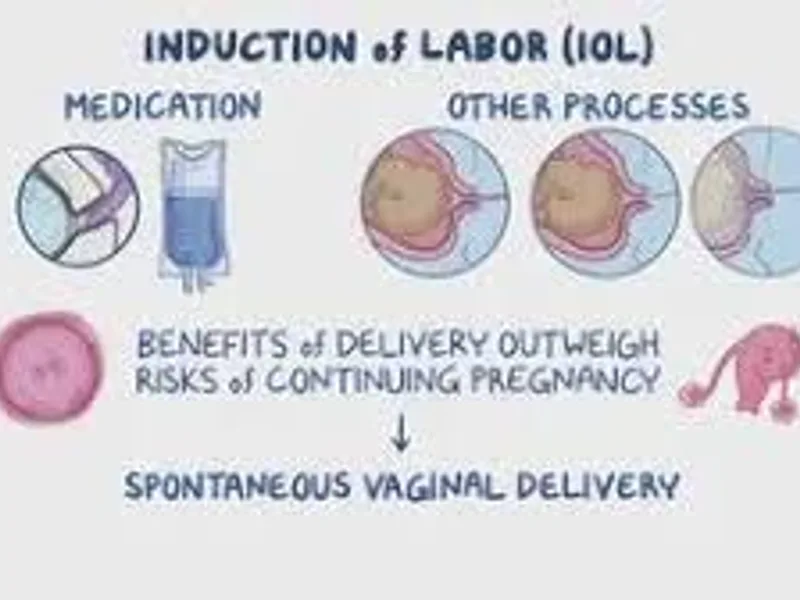
- Medical Induction: If medically necessary, your doctor may recommend methods like Pitocin (synthetic oxytocin) or cervical ripening agents.
Conclusion
Midwives Brew is a popular, albeit controversial, home remedy for labor induction. While it contains ingredients like castor oil that have been studied for their potential to stimulate labor, its effectiveness is not definitively proven, and it carries significant risks of gastrointestinal distress and other side effects. The most crucial advice is to always consult with your healthcare provider before considering any method to induce labor. They can provide personalized guidance based on your health and pregnancy status, ensuring the safest possible outcome for you and your baby.