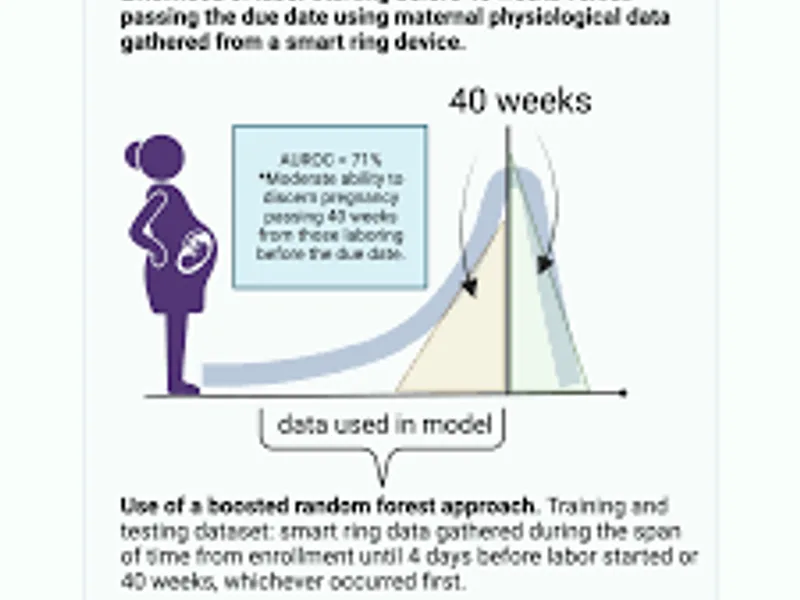
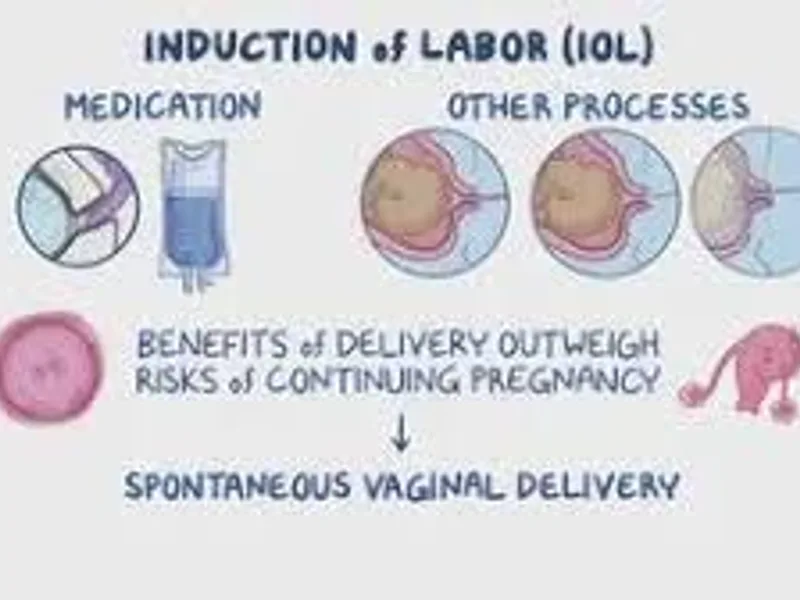
Understanding Gestational Diabetes and Delivery Timing Gestational diabetes mellitus (GDM) is a condition that affects some pregnant individuals, characterized by high blood sugar levels that develop during pregnancy. While a diagnosis of GDM can be concerning, it's important to remember that with proper management, most individuals can have a healthy pregnancy and a healthy baby. One common concern for those diagnosed with GDM is the timing of delivery. This article aims to provide a clear and practical guide for Indian readers on what to expect regarding delivery timing when gestational diabetes is present. What is Gestational Diabetes? Gestational diabetes typically develops in the second or third trimester of pregnancy. During pregnancy, the placenta produces hormones that can block the action of the mother's insulin, leading to elevated blood sugar levels. If the body cannot produce enough insulin to compensate, gestational diabetes occurs. It's estimated that as many as 1 in 10 pregnant individuals develop GDM. While it usually disappears after delivery, it increases the risk of developing type 2 diabetes later in life for both the mother and the child. How Does Gestational Diabetes Affect Pregnancy? When gestational diabetes is diagnosed, it requires careful monitoring and management. This involves: Regular Blood Sugar Monitoring: You will learn to check your blood sugar levels at home using a glucose meter. Your healthcare provider will guide you on target ranges and what the readings mean. Dietary Modifications: Specific dietary changes are crucial. This includes focusing on a balanced diet with controlled carbohydrate intake, choosing whole grains, lean proteins, and plenty of fruits and vegetables. Timing of meals and snacks is also important. Physical Activity: Regular, moderate exercise, as approved by your doctor, can help manage blood sugar levels. Walking after meals is often recommended. Medication (if necessary): In some cases, diet and exercise alone may not be enough to control blood sugar. Your doctor might prescribe insulin or other medications to help manage your levels. Increased Medical Appointments: Expect more frequent check-ups with your doctor, obstetrician, and possibly a dietitian or endocrinologist. These appointments are vital for monitoring your health and your baby's growth and well-being. Monitoring Blood Pressure: Gestational diabetes can increase the risk of high blood pressure during pregnancy, so this will be closely monitored. Delivery Timing with Gestational Diabetes The timing of delivery when you have gestational diabetes is a decision made in close consultation with your healthcare team. Several factors influence this decision, with the primary goal being the safety and health of both mother and baby. Full-Term Delivery (39-40 Weeks) For individuals with well-managed gestational diabetes, where blood sugar levels are consistently within the target range and there are no significant risks to the mother or baby, the recommendation is often to aim for a full-term delivery. Full term is generally considered between 39 weeks and 40 weeks and 6 days of pregnancy. In these cases, labor may be allowed to start naturally. Early Delivery (Induction or C-Section) In certain situations, your doctor may recommend an earlier delivery. This decision is based on a careful assessment of potential risks: Poorly Controlled Blood Sugar: If blood sugar levels remain high despite management efforts, it can pose risks to the baby, such as excessive growth (macrosomia), breathing difficulties after birth, or low blood sugar (hypoglycemia) immediately after delivery. Baby's Growth: If the baby is growing significantly larger than average (macrosomia), it can complicate vaginal delivery and increase the risk of birth injuries. Conversely, if the baby is not growing adequately, early delivery might be considered. Maternal Health Complications: If the mother develops other complications like preeclampsia (high blood pressure during pregnancy), an earlier delivery might be necessary for her health. Fetal Well-being: Regular monitoring may reveal signs that the baby is not tolerating the pregnancy well, prompting a decision for earlier delivery. When an earlier delivery is recommended, it can be achieved through: Induction of Labor: This involves using medications or other methods to start labor artificially. Cesarean Section (C-section): This is a surgical procedure to deliver the baby. It may be planned in advance if a vaginal delivery is deemed too risky. Why is Timing Important? The final weeks of pregnancy are critical for the baby's development, particularly for lung and brain maturation and weight gain. Therefore, the goal is generally to keep the baby inside for as long as safely possible. However, the risks associated with prolonged pregnancy in the context of uncontrolled gestational diabetes can outweigh the benefits of waiting. Potential Risks for the Baby if Blood Sugar is Not Controlled: Macrosomia: The baby grows excessively large, making vaginal birth more difficult and increasing the risk of shoulder dystocia (where the baby's shoulder gets stuck during delivery). Hypoglycemia: The baby may be born with low blood sugar, requiring close monitoring and potentially feeding support (formula or IV glucose). Respiratory Distress Syndrome (RDS): The baby's lungs may not be fully mature, leading to breathing difficulties. Jaundice: Increased risk of developing jaundice after birth. Stillbirth: In rare, severe cases of uncontrolled GDM, the risk of stillbirth can be elevated. What to Expect After Delivery For most individuals, gestational diabetes resolves after the baby is born. However, your doctor will likely recommend a follow-up glucose test a few weeks after delivery to ensure your blood sugar levels have returned to normal. It's also important to be aware that having gestational diabetes increases your risk of developing type 2 diabetes later
In summary, timely diagnosis, evidence-based treatment, and prevention-focused care improve long-term health outcomes.