Selecting a Maternity Care Provider in Araria: A Critical Choice
For expectant parents in Araria, identifying the appropriate maternity care provider, an obstetrician-gynaecologist (OB-GYN), represents one of the most critical decisions. This specialist will offer guidance throughout every phase of the gestational period, from conception through delivery and into the postpartum stage.
Their role involves safeguarding the well-being of both the mother and the developing infant. The chosen medical professional can profoundly influence one's entire experience.
When commencing a search for an OB-GYN within this locale, individuals must understand key selection criteria and identify sources of credible information. This resource intends to furnish you with the necessary knowledge for making an informed decision, thereby ensuring expert care during this significant life transition.
Understanding the Role of an Obstetrician-Gynaecologist
An obstetrician-gynaecologist (OB-GYN) is a medical professional specializing in female reproductive well-being, gestation, and childbirth. They manage all aspects of prenatal care, which includes routine examinations, necessary screenings, and guidance on nutrition and lifestyle.
During labor and delivery, their presence is crucial for managing potential complications and ensuring a safe birth. Postpartum care, which addresses the mother's recovery and the infant's initial medical status, also falls under their professional responsibility.
The numbers don't lie.
In practical terms, your OB-GYN serves as your primary point of contact for any concerns related to your maternal journey. This specialist monitors fetal development, screens for potential risks, and provides essential medical advice. Their expertise is paramount for a favorable outcome during this expectant period.
Key Considerations When Selecting a Practitioner in Araria
When choosing a maternity care provider in Araria, several factors warrant careful consideration:
- Qualifications and Experience: Seek out board-certified OB-GYNs with a demonstrated history of successful patient outcomes. Extensive experience in managing diverse gestational types, including those considered high-risk, offers a meaningful advantage. Prestigious institutions like AIIMS often establish stringent benchmarks for medical professional training.
- Hospital Affiliation: Verify that the practitioner is affiliated with a properly equipped hospital or clinic in the region capable of facilitating deliveries and handling potential emergencies. Inquire about specialized facilities, such as a Neonatal Intensive Care Unit (NICU), if such services may be required.
- Communication Style: An effective medical professional demonstrates attentive listening skills and articulates medical information with clarity. Patients should feel at ease posing questions and openly discussing their concerns. This empathetic approach is foundational to a strong patient-provider relationship.
- Availability and Accessibility: Assess the practitioner's availability for urgent situations and the convenience of the clinic's location. How straightforward is the process for scheduling appointments? This logistical aspect holds considerable importance.
- Patient Reviews and Testimonials: Insights into other people' experiences can be gleaned from online reviews and personal referrals. However, always balance these external perspectives with your personal comfort level and individual assessment.
Therefore, individuals are advised to dedicate sufficient time to research and avoid making this critical decision hastily. Your peace of mind during this period is of utmost importance.
Where to Locate Maternity Specialists in Araria
Several avenues can assist you in finding a qualified maternity care provider within Araria:
- Online Healthcare Platforms: Digital platforms such as Doctar feature verified clinicians, their areas of specialization, patient feedback, and options for booking consultations. This often serves as the most convenient initial point of inquiry.
- Referrals from Acquaintances: Personal recommendations from trusted friends and family members who have experienced positive care can be exceptionally valuable.
- Local Hospitals and Clinics: Direct contact with major hospitals or specialized maternity clinics in the area can yield lists of their affiliated obstetricians.
- General Practitioner (GP) Referrals: Your primary care provider can frequently recommend trusted OB-GYNs in the community based on your specific requirements.
A common oversight involves relying exclusively on a single source of information. It is advisable to cross-reference details from multiple channels to ensure a comprehensive understanding.
Preparing for Your Initial Consultation
before your first appointment with a maternity care provider in Araria, judicious preparation is recommended. Compile your complete medical history, including any pre-existing conditions and previous surgical interventions.
List all medications or supplements currently being taken. Formulate a series of questions regarding gestation, childbirth, and your overall well-being.
Such organization enhances the productivity of the initial consultation. It facilitates the medical professional's understanding of your health profile and enables immediate addressing of your most pressing concerns.
What to Anticipate During Prenatal Appointments
Prenatal appointments are structured to monitor your well-being and the developing infant's progress. During these consultations, your clinician will typically:
- Measure your weight and blood pressure.
- Assess the baby's heartbeat and growth trajectory.
- Discuss any symptoms or concerns you may be experiencing.
- Order necessary diagnostic tests, such as blood work, ultrasounds, and urine analyses.
- Provide counsel on dietary practices, physical activity, and strategies for managing widespread gestational discomforts.
These appointments provide an essential opportunity to remain informed and address any anxieties. The frequency of these consultations generally increases as the due date approaches, aligning with established guidelines such as those issued by the World Health Organization (WHO).
And yet, so many people miss it.
Navigating usual Gestational Concerns with Your Clinician
The expectant period can introduce a range of physical and emotional alterations. widespread issues include morning sickness, fatigue, back discomfort, and mood fluctuations. Your OB-GYN can offer authoritative advice and, when appropriate, prescribe safe treatments to alleviate these manifestations.
For instance, persistent nausea might be managed through dietary adjustments and medication, while severe back pain could be addressed with physiotherapy and targeted exercises. While adapting to these changes can be challenging, expert support significantly improves the experience.
The Importance of Regular Check-ups and Screenings
Routine check-ups are crucial for the early detection of potential complications. Screening procedures can identify conditions such as gestational diabetes, pre-eclampsia (elevated blood pressure during gestation), and chromosomal abnormalities in the fetus. Early identification allows for timely intervention, substantially improving outcomes.
A frequent oversight is the skipping of scheduled appointments, which can lead to missing critical medical updates. The WHO recommends specific screening protocols at various stages of gestation.
Choosing Your Delivery Plan with Your Araria Practitioner
Discussions regarding your preferred mode of delivery—whether vaginal birth or Caesarean section—should commence well in advance. Your medical professional will outline the advantages and disadvantages of each option, taking into account your medical status and the baby's position.
This is where most people struggle.
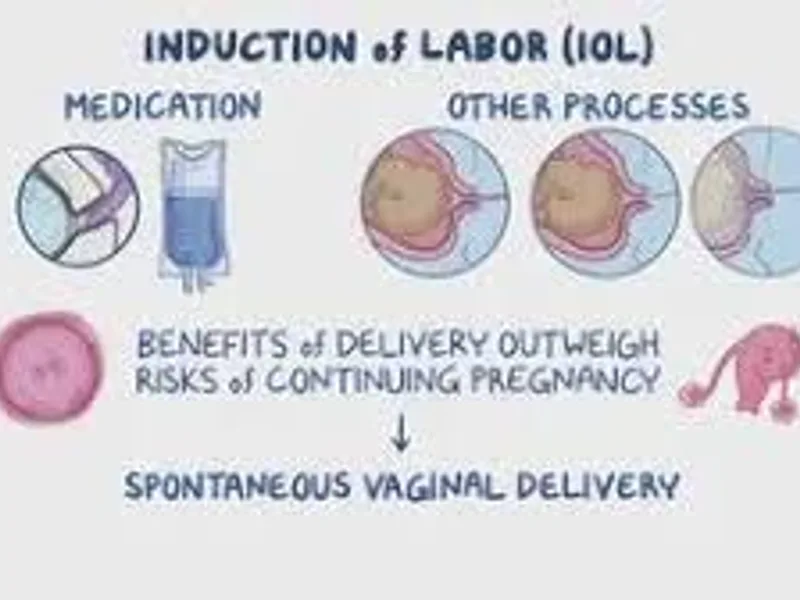
They will explain procedures such as epidural anesthesia and the potential necessity of induction if medically indicated.
Engage in an open dialogue about your preferences and any apprehensions. The practitioner's role is to support your choices while prioritizing safety based on clinical evidence.
Postpartum Care: Extending Beyond Delivery
Medical support does not conclude with childbirth. Postpartum appointments are essential for monitoring the mother's physical recovery and mental well-being. Your clinician will assess for signs of complications, discuss contraceptive options, and offer assistance with breastfeeding or alternative infant feeding methods.
This phase is as critical as the gestational period itself. Prompt medical attention is required for addressing postpartum issues such as depression or physical recovery. Many women find this period to be particularly demanding.
Finding Support Networks in Araria
Connecting with other expectant or new mothers can provide invaluable emotional support and practical guidance. Seek out local parenting groups or online forums specific to the Araria community. Sharing experiences can be profoundly reassuring, akin to sharing a comforting conversation with neighbors during challenging times.
Establishing a robust support system strengthens your resilience throughout this meaningful life transition.
Conclusion: Your Well-being Journey with a Trusted Practitioner
The process of selecting a maternity care provider in Araria is a deeply personal journey. Prioritize finding a specialist who is not only medically proficient but also empathetic and an proven communicator. Trust your instincts and choose a medical professional who makes you feel heard and secure.
Most people overlook this completely.
those affected often report feeling empowered when they cultivate a strong relationship with their chosen clinician. This collaborative partnership is fundamental to a positive and healthy experience during gestation. Remember, your well-being and that of your infant are paramount.
Always consult a qualified medical professional before making medical decisions.
Frequently Asked Questions
What are the essential tests during gestation?
Essential tests typically include blood tests (to check for anemia, infections, and blood type), urine analyses (for infections and protein levels), ultrasounds (to monitor fetal growth and anatomy), and screening for gestational diabetes. Your clinician will advise on the specific timing and necessity of each test based on your individual well-being and the stage of your maternal journey.
How often should I attend prenatal appointments?
Typically, appointments are scheduled monthly until the third trimester, then transition to bi-weekly, and finally weekly during the last month. However, this schedule can vary based on individual chance factors and your medical professional's recommendations.
Following WHO guidelines, more frequent consultations might be suggested for high-chance expectant periods.
Can I travel during gestation?
Generally, travel is considered safe during the second trimester when the expectant period is most stable. Nevertheless, it is crucial to discuss your travel plans with your clinician beforehand. They can offer advice on necessary precautions, potential risks, and whether travel is advisable given your specific medical condition.
That alone changes everything.
What signs indicate a high-likelihood expectant period?
Indicators of a high-possibility expectant period can include advanced maternal age (over 35), pre-existing medical conditions like hypertension or diabetes, previous complications during gestation, multiple births, or fetal abnormalities detected during scans. Your practitioner will assess these factors to determine if your maternal journey requires specialized monitoring.