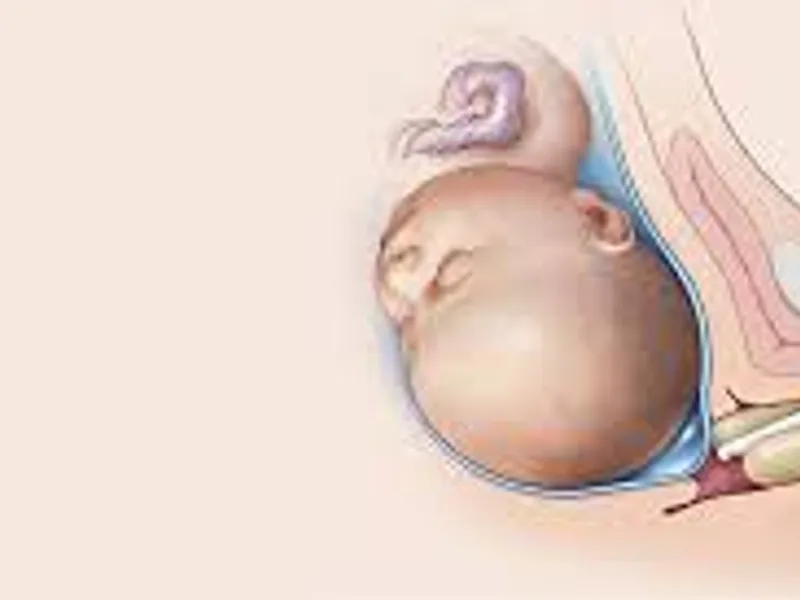
Your pelvis, a sturdy bony structure at the base of your torso, plays a vital role in supporting your upper body, connecting your legs, and safeguarding essential organs. It’s a complex part of your anatomy, and its shape can vary significantly from person to person. In women, the pelvis generally has a wider and more open structure compared to men, an adaptation that aids in vaginal childbirth. However, even among women, the specific shape of the pelvis can differ, potentially influencing the birthing process. For decades, medical professionals have categorized these shapes to better understand their implications for delivery.
The Four Main Pelvis Types
Researchers in the 1930s identified four primary shapes of the pelvis, largely based on the characteristics of the pelvic inlet – the opening at the top of the pelvic cavity through which a baby must pass during a vaginal birth. It’s important to remember these are general classifications, and individual variations are common. Think of them as helpful guides rather than strict rules.
1. Gynecoid Pelvis
This is the most common pelvic shape found in women and is often considered the 'ideal' or typical female pelvis. It is characterized by its:
- Shape: Round and wide
- Depth: Shallow
- Opening: Open
The gynecoid pelvis offers ample space, making it generally the most favorable for a vaginal birth. The wide, open structure allows the baby to navigate the birth canal with relative ease.
2. Android Pelvis
The android pelvis bears a closer resemblance to the male pelvic structure. It is typically:
- Shape: Narrow, often described as heart-shaped or wedge-like
- Depth: Deeper than a gynecoid pelvis
- Opening: Narrow
Due to its narrower dimensions, labor with an android pelvis can be more challenging. The baby may progress more slowly through the birth canal. In some instances, women with this pelvis type might require a Cesarean section (C-section) for a safe delivery.
3. Anthropoid Pelvis
This pelvis type is characterized by its elongated shape, similar to an upright oval or egg.
- Shape: Narrow and deep
- Depth: Deep
- Opening: Oval-shaped, longer from front to back
While the anthropoid pelvis is roomier from front to back compared to the android pelvis, it is still narrower than the gynecoid. Vaginal birth is often possible, but labor may be longer. Doctors will closely monitor the progress of labor in such cases.
4. Platypelloid Pelvis
Also known as the flat pelvis, the platypelloid type is the least common among the four.
- Shape: Wide but shallow
- Depth: Shallow
- Opening: Wide, but flattened from front to back, resembling an oval lying on its side
The platypelloid pelvis can present difficulties for vaginal birth because the baby might struggle to pass through the pelvic inlet. Consequently, many women with this pelvis shape may need to undergo a C-section.
Pelvis Shape and Childbirth: What You Need to Know
Historically, doctors might have used X-rays to determine a pregnant woman's pelvis shape. Today, this is less common. Instead, your healthcare provider will assess your pelvis during prenatal check-ups through physical examination. They gain an understanding of its general shape and dimensions, which helps in anticipating the birthing process.
Scenario: Imagine Priya, who is 36 weeks pregnant. During her last check-up, her doctor mentioned her pelvis shape might make a vaginal delivery a bit more challenging, suggesting they might need to be prepared for a C-section if the baby doesn't descend easily. Priya feels a little anxious but appreciates her doctor's open communication and the plan to monitor closely.
It's crucial to understand that pelvis shape is just one factor among many that influence childbirth. Your baby's position, size, and overall health, as well as the strength and timing of your contractions, all play significant roles. Furthermore, during pregnancy, hormonal changes cause the pelvic joints and ligaments to relax and become more flexible. This natural process helps to accommodate the baby and facilitate labor and delivery, even if the pelvis is not ideally shaped.
Factors Beyond Pelvis Shape
Several other elements can affect the birthing experience:
- Baby's Position: If the baby is in an abnormal position, such as breech (feet first) or transverse (sideways), it can complicate vaginal delivery.
- Baby's Size: A very large baby (macrosomia) might have difficulty fitting through the birth canal.
- Labor Progression: If labor stalls or progresses very slowly, medical intervention may be necessary.
- Maternal Health Conditions: Certain health issues in the mother can influence the mode of delivery.
- Fetal Distress: Signs that the baby is not tolerating labor well will prompt a change in delivery plans.
When to Consult Your Doctor
While understanding pelvis types is informative, it's essential to rely on your healthcare provider for personalized advice. You should consult your doctor or midwife if you have any concerns about your pelvis shape or how it might affect your pregnancy and delivery. Regular prenatal visits are the best way to discuss these matters. If you experience any of the following during pregnancy, seek medical advice promptly:
- Severe pelvic pain
- Concerns about your baby's movements
- Any unusual symptoms or discomfort
Frequently Asked Questions (FAQs)
Can my pelvis shape change during pregnancy?
No, the bony structure of your pelvis does not change its fundamental shape during pregnancy. However, hormones released during pregnancy cause the ligaments and joints in your pelvis to relax and become more flexible, which aids in labor and delivery.
Will my pelvis shape determine if I have a C-section?
Not necessarily. While pelvis shape is a factor, it's just one piece of the puzzle. Doctors consider many things, including the baby's position, size, and how labor is progressing, when deciding on the best mode of delivery. Many women with non-gynecoid pelvis shapes can still have successful vaginal births.
How do doctors assess my pelvis shape?
Doctors primarily use a physical examination during prenatal visits. They can estimate the dimensions and shape of your pelvic inlet by feeling with their hands. Sometimes, if there are specific concerns, imaging like an ultrasound might be used, but a direct X-ray for shape assessment is rare today.
Is a gynecoid pelvis the only way to have a 'normal' birth?
A gynecoid pelvis is considered the most favorable for a vaginal birth due to its shape. However, 'normal' birth is a broad term, and many women with other pelvis types have vaginal deliveries. The goal is always a safe and healthy outcome for both mother and baby, which might sometimes mean a C-section is the best option.