What is Vesicovaginal Fistula (VVF)?
Vesicovaginal fistula (VVF) is a medical condition characterized by an abnormal opening that forms between the bladder and the vagina. This opening leads to continuous leakage of urine from the vagina, a condition medically known as urinary incontinence. While VVF is relatively rare in countries with advanced healthcare access, it remains a significant health concern in many parts of the world, including some regions of India, where access to timely and adequate medical care can be limited. It is estimated that millions of women worldwide live with unrepaired VVFs, and a substantial number are diagnosed each year. This condition can be physically uncomfortable, emotionally distressing, and socially isolating for affected women.
Symptoms of Vesicovaginal Fistula (VVF)
The most prominent symptom of VVF is the persistent and continuous leakage of urine from the vagina. This leakage can be constant and may lead to skin irritation, infections, and a persistent unpleasant odour. Other symptoms can include:
- Pain during sexual intercourse: The abnormal opening and associated inflammation can make intercourse painful.
- Recurrent urinary tract infections (UTIs): The continuous flow of urine can increase the risk of developing UTIs.
- Vaginal irritation and discomfort: Constant moisture can lead to redness, itching, and soreness in the vaginal area.
- Foul-smelling vaginal discharge: Urine can have an odour, and its constant presence can contribute to this.
- In severe cases, fever and chills: If an infection develops, these systemic symptoms may occur.
It's important to note that if the fistula is very small, the only symptom might be a slight watery discharge after urination, which can be easily overlooked.
Causes of Vesicovaginal Fistula (VVF)
VVF can be either congenital (present at birth) or acquired (developing later in life). Congenital VVF is extremely rare. In most cases, VVF is acquired and results from injury or damage to the bladder and vaginal tissues. The common causes include:
Obstetric Causes (Especially in Low-Resource Settings)
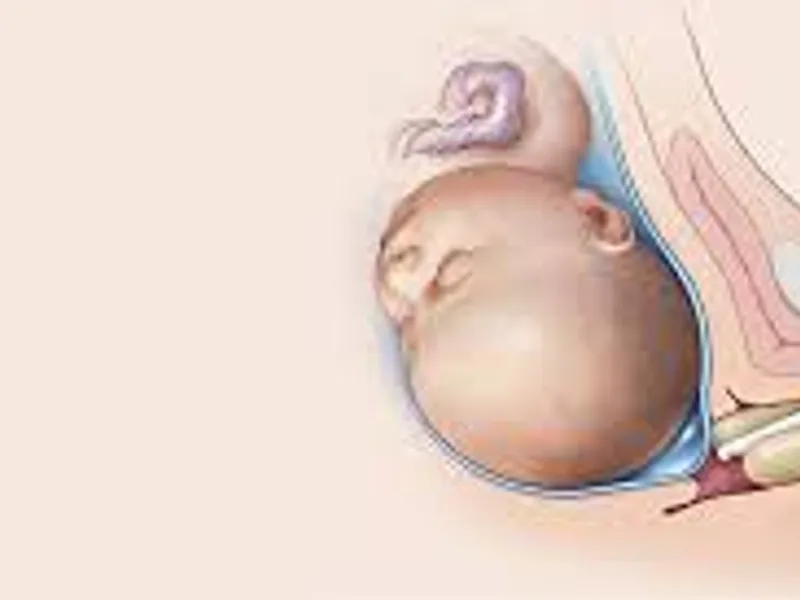
In many developing countries, including parts of India, prolonged and obstructed labour is a leading cause of VVF. When labour is difficult and lasts for an extended period without adequate medical intervention, the pressure on the bladder and vaginal tissues can lead to tissue death and the formation of a fistula. Risk factors for VVF related to childbirth include:
- Lack of access to skilled birth attendants and emergency obstetric care.
- Early marriage and teenage pregnancies, which are associated with higher risks of obstructed labour.
- Difficult instrumental deliveries (e.g., use of forceps or vacuum extraction) without proper management.
Gynecological and Pelvic Surgeries
In high-income countries, surgical complications are the most common cause of VVF. This can occur during or after procedures such as:
- Hysterectomy (surgical removal of the uterus)
- Other pelvic surgeries
- Procedures to treat pelvic organ prolapse
Accidental injury to the bladder during these surgeries, if not recognized and repaired promptly, can lead to fistula formation.
Cancer and Radiation Therapy
Cancer of the cervix, uterus, or bladder can sometimes lead to VVF. Additionally, radiation therapy used to treat these cancers in the pelvic region can damage tissues, increasing the risk of fistula development, often months or even years after treatment.
Infections and Inflammatory Diseases
Certain infections or inflammatory conditions affecting the pelvic organs can, in rare instances, lead to tissue breakdown and fistula formation.
Diagnosis of Vesicovaginal Fistula (VVF)
Diagnosing VVF accurately is crucial for effective treatment. A healthcare provider will typically:
Physical Examination
A thorough physical examination of the pelvic area is performed. The doctor will look for signs of inflammation, irritation, or any visible abnormalities in the vaginal and vulvar regions. A speculum examination may be done to visualize the vagina and cervix.
Medical History
The doctor will ask detailed questions about your symptoms, medical history, any previous surgeries, childbirth experiences, and treatments received.
Diagnostic Tests
Several tests can help confirm the presence and location of a VVF:
- Urinary Catheterization: A catheter is inserted into the bladder. If urine continues to leak from the vagina, it strongly suggests a fistula.
- Bladder Dye Test (e.g., Methylene Blue): A coloured dye is instilled into the bladder. If the dye appears in the vagina, it confirms the fistula.
- Cystoscopy: A thin, flexible tube with a camera (cystoscope) is inserted into the bladder through the urethra to directly visualize the bladder lining and identify the fistula opening.
- Imaging Studies: In some cases, imaging tests like a CT scan or MRI may be used to get a detailed view of the fistula and surrounding structures.
Treatment Options for Vesicovaginal Fistula (VVF)
The treatment for VVF depends on the size of the fistula, its cause, and the overall health of the patient. The goal is to close the abnormal opening and restore normal bladder and vaginal function.
Conservative Management
For small, non-cancerous fistulas, especially those found early, conservative treatments may be attempted. These aim to promote spontaneous closure of the fistula and can be effective in up to 93% of cases:
- Catheterization: A urinary catheter may be placed in the bladder for 2 to 8 weeks. This keeps the bladder empty, allowing the tissues to rest and potentially heal. Medications called anticholinergics may be prescribed to reduce bladder muscle spasms.
- Electrocoagulation: This older technique involves using heat from an electrical current to remove the innermost layer of tissue around the fistula opening. A catheter is then inserted for several weeks to aid healing. It is less commonly used as a first-line treatment now.
Surgical Repair
If conservative treatments fail, or if the fistula is large, complex, or caused by cancer, surgical repair is necessary. Surgical repair of VVF is highly effective, with success rates exceeding 97%. Various surgical techniques can be employed, often involving closing the opening and reconstructing the bladder and vaginal walls. Surgery can be performed through the vagina, abdomen, or laparoscopically (keyhole surgery).
Organizations like The Fistula Foundation work globally to provide life-transforming surgeries for women suffering from fistulas, reaching many in Africa and Asia.
Prevention of Vesicovaginal Fistula (VVF)
Preventing VVF largely focuses on addressing its primary causes:
- Improved Obstetric Care: Ensuring access to skilled birth attendants, emergency obstetric services, and promoting institutional deliveries can significantly reduce VVF caused by prolonged labour. Educating women and communities about the risks of early marriage and the importance of timely medical care during pregnancy and childbirth is vital.
- Safe Surgical Practices: Surgeons performing pelvic and gynecological procedures must exercise meticulous care to avoid accidental injury to the bladder and urinary tract. Prompt recognition and repair of any intraoperative injuries are essential.
- Appropriate Use of Radiation Therapy: While radiation is a critical cancer treatment, careful planning and delivery can help minimize damage to surrounding healthy tissues.
Living with and After VVF
Living with VVF can be incredibly challenging, impacting a woman's physical health, emotional well-being, and social life. However, with proper diagnosis and treatment, recovery is possible. After successful surgical repair, women can resume normal activities, including sexual intercourse and experiencing healthy pregnancies with live births.
When to Consult a Doctor
If you experience any continuous leakage of urine from your vagina, or any of the associated symptoms, it is crucial to seek medical attention immediately. Early diagnosis and treatment can lead to a better outcome and prevent long-term complications and distress.
Frequently Asked Questions (FAQ)
Can VVF affect fertility or future pregnancies?
While VVF itself can be a consequence of difficult childbirth, successful surgical repair typically restores normal anatomy. Many women who have had VVF repaired can go on to have successful pregnancies and live births. However, it's essential to discuss pregnancy plans with your doctor after recovery.
Is VVF curable?
Yes, VVF is generally curable. Both conservative management and surgical repair have high success rates. The key is timely diagnosis and appropriate treatment.
Can VVF be prevented?
Yes, VVF can be largely prevented by ensuring access to quality obstetric care, safe surgical practices, and managing conditions like cancer effectively.
How does VVF impact a woman's life?
VVF can have a profound impact, causing physical discomfort, skin issues, infections, emotional distress, social isolation, and affecting relationships and self-esteem. However, treatment offers a path to recovery and a return to a normal life.