What is Acute Fatty Liver of Pregnancy (AFLP)?
Acute Fatty Liver of Pregnancy (AFLP) is a rare but extremely serious complication that can occur during pregnancy. It happens when excess fat accumulates in the liver, leading to liver dysfunction and potentially life-threatening consequences for both the mother and the baby. While uncommon, AFLP is considered a medical emergency that requires prompt diagnosis and intervention.
The exact cause of AFLP is not fully understood, but it is believed to be related to a problem with how the body metabolizes fatty acids during pregnancy. This metabolic issue can lead to a buildup of fat in the liver, impairing its ability to function correctly. AFLP typically manifests in the third trimester of pregnancy, though it can occasionally occur earlier.
The incidence of AFLP is very low, affecting approximately 5 out of every 100,000 pregnancies. However, due to advancements in medical care, the maternal death rate, which was once as high as 75%, has significantly decreased to 5% or less. Despite these improvements, the condition remains a critical concern, and timely medical attention is vital for a positive outcome.
Symptoms of Acute Fatty Liver of Pregnancy
The symptoms of AFLP can be subtle at first and may mimic those of other common pregnancy-related conditions. This can sometimes delay diagnosis. However, as the condition progresses, the symptoms can become more severe and distinct.
Early Symptoms:
- General feeling of being unwell and unusual fatigue, which may persist for several days or weeks.
- Loss of appetite.
- Nausea and vomiting.
More Severe Symptoms:
- Abdominal pain, particularly in the upper right quadrant.
- Jaundice (yellowing of the skin and whites of the eyes).
- Swelling in the abdomen (ascites).
- Increased tendency to bleed or bruise easily, due to impaired blood clotting.
- Confusion or changes in mental state.
- Kidney failure.
- High blood pressure (hypertension).
- Low blood sugar (hypoglycemia).
It is crucial for pregnant individuals to be aware of these symptoms and report any concerning changes to their healthcare provider immediately.
Causes and Risk Factors for AFLP
While the precise cause of AFLP remains elusive, research suggests a link to genetic factors and metabolic abnormalities. One identified factor is a deficiency in a specific enzyme, such as long-chain 3-hydroxyacyl-CoA dehydrogenase (LCHAD), which plays a role in metabolizing fatty acids.
Potential Risk Factors:
- Genetic Predisposition: Certain genetic mutations, particularly those affecting enzymes involved in fatty acid metabolism, can increase the risk.
- First Pregnancy: Some studies suggest a higher incidence in first-time mothers.
- Multiple Gestation: Carrying twins or more may increase the risk.
- Maternal Age: Advanced maternal age has been cited as a potential risk factor.
- History of AFLP: Women who have had AFLP in a previous pregnancy are at higher risk of recurrence.
- Pre-existing Liver Conditions: Having another liver condition during pregnancy can elevate the risk.
It is important to note that AFLP can affect anyone, regardless of these risk factors.
Diagnosis of Acute Fatty Liver of Pregnancy
Diagnosing AFLP involves a combination of clinical evaluation, laboratory tests, and imaging studies. If a healthcare provider suspects AFLP based on the patient's symptoms and medical history, they will likely order the following:
Diagnostic Tests:
- Blood Tests: These are crucial for assessing liver function (elevated liver enzymes like ALT and AST), checking blood clotting ability (prothrombin time), and monitoring kidney function and blood sugar levels.
- Urine Tests: May be used to check for certain metabolic byproducts.
- Imaging Studies: An ultrasound of the abdomen can help visualize the liver and rule out other causes of abdominal pain. MRI or CT scans may also be used in some cases.
- Liver Biopsy: While not always necessary for diagnosis, a liver biopsy can confirm the presence of fatty infiltration and rule out other liver diseases. However, due to the risks associated with bleeding in AFLP patients, it is often avoided if a diagnosis can be made through other means.
Early and accurate diagnosis is paramount for initiating timely treatment.
Treatment for Acute Fatty Liver of Pregnancy
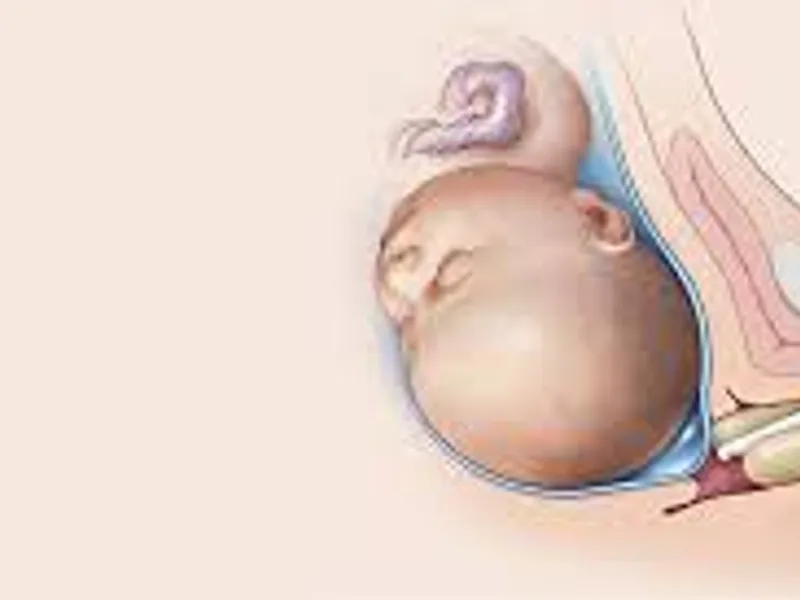
The cornerstone of AFLP treatment is the immediate delivery of the baby. A conservative approach of
Additional Medical Guidance
This section adds practical context and preventive advice to help readers make informed healthcare decisions. It is important to verify symptoms early, consult qualified doctors, and avoid self-medication for persistent health issues.
Maintaining healthy routines, following prescribed treatment plans, and attending regular checkups can improve outcomes. If symptoms worsen or red-flag signs appear, immediate medical evaluation is recommended.
Quick Checklist
Track symptoms and duration.
Follow diagnosis and treatment from a licensed practitioner.
Review medication side effects with your doctor.
Seek urgent care for severe warning signs.