Bringing a new life into the world is a profound experience, and most mothers focus on the joy of childbirth. However, it's also essential to be prepared for the physical realities that can follow, including vaginal tearing. While some tearing is incredibly common, understanding a second-degree tear is vital for a smoother recovery. This type of tear affects not just the skin but also the muscle in the perineal area, the space between your vagina and anus. It's more than a surface-level graze and requires medical attention, usually in the form of stitches, right after delivery to ensure proper healing and prevent complications.
Many of us prepare extensively for pregnancy, labor, and delivery, attending classes and reading books. Yet, the postpartum period can bring unexpected challenges. Alongside the wonders of a newborn come physical discomforts like engorged breasts, night sweats, and interrupted sleep. For some, a second-degree tear adds another layer of concern. It can be painful and inconvenient, especially when you're navigating the demands of caring for a new baby. This guide aims to demystify second-degree tears, explaining why they happen, how common they are, and what you can realistically expect during your healing journey.
Why Do Vaginal Tears Happen During Delivery?
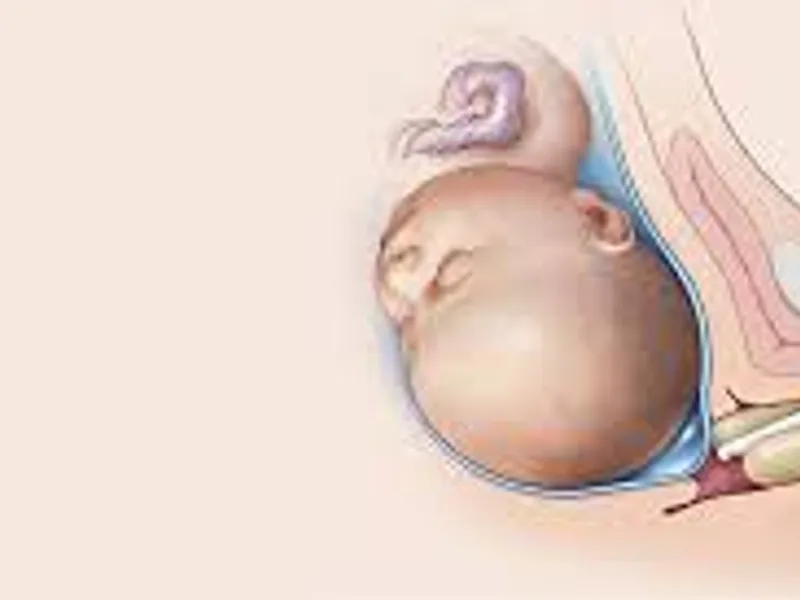
The delicate skin around your vagina is designed to stretch significantly to accommodate your baby's head during birth. Tears generally occur when this stretching isn't sufficient for the baby's size or the speed of delivery. Factors contributing to tearing include:
- Baby's size: A larger than average baby's head can put more pressure on the perineal tissues.
- Rapid delivery: When labor progresses very quickly, the tissues may not have enough time to stretch gradually.
- Assisted delivery: The use of instruments like forceps or a vacuum extractor during delivery can sometimes contribute to tearing.
- Maternal factors: Skin elasticity, previous scarring, or certain positions during labor can also play a role.
A second-degree tear signifies a tear that extends deeper than the superficial skin layer. It involves both the skin and the underlying muscle of the perineum. This deeper involvement is why immediate stitching after birth is typically necessary.
Understanding the Severity Scale of Tearing
Tears during childbirth are often categorized by their depth and the tissues involved. Knowing where a second-degree tear fits can help you understand the recovery process:
- First-degree tears: These are the mildest, affecting only the superficial skin layer of the perineum. They often heal on their own with minimal intervention.
- Second-degree tears: As discussed, these tears involve both the skin and the muscle of the perineum. They require stitches and a more attentive recovery period.
- Third-degree tears: These tears extend further, involving the anal sphincter muscles, which control bowel movements. They require more complex repair, often under anesthesia, and a longer healing time.
- Fourth-degree tears: These are the most severe, extending through the anal sphincter and into the rectal lining (mucous membrane). They necessitate specialized medical care and a prolonged recovery.
It's important to remember that most tears, even second-degree ones, do not result in long-term problems when managed appropriately.
What to Expect Immediately After Delivery
If you experience a second-degree tear, the healthcare team will address it immediately after your baby is born. You'll likely receive local anesthesia to ensure the repair process is as comfortable as possible. Stitches will be used to close the torn tissues. These stitches are usually made of dissolvable material, meaning you won't need a follow-up appointment to have them removed. This is a significant relief for many new mothers!
You might feel soreness and discomfort in the perineal area for several weeks. Simple actions like sitting or walking can be challenging initially. It's a common experience, and many women report feeling significantly better within two weeks postpartum. Your healthcare provider will give you specific instructions for care, which may include:
- Pain management: Over-the-counter pain relievers can help manage discomfort.
- Cold compresses: Applying a wrapped ice pack (never directly on the skin) to the perineal area for 10-20 minutes at a time can reduce swelling and pain. Do this for a few hours each day.
- Sitz baths: Soaking in a warm, shallow bath can be soothing and promote healing.
Healing and Recovery at Home
Your body has just undergone a major event, and healing takes time and care. For a second-degree tear, the stitches typically dissolve within about six weeks. During this period, focus on gentle care and listen to your body.
Managing Pain and Discomfort
The initial pain and soreness are normal. Here are some practical tips:
- Take pain medication as prescribed or recommended. Don't wait for the pain to become severe before taking medication.
- Use ice packs consistently. They are a game-changer for reducing swelling and numbing the area.
- Try sitz baths. Fill a shallow tub or basin with a few inches of warm water and sit in it for 15-20 minutes, a few times a day. This can be very comforting.
- Avoid prolonged sitting. If you must sit, use a cushion or a special donut-shaped pillow to relieve pressure on the perineum.
- Stay hydrated and eat a fiber-rich diet. This helps prevent constipation, which can put strain on the stitches and increase discomfort.
Pelvic Floor Exercises (Kegels)
Once you feel ready, and your doctor gives the okay (often as soon as 2-3 days after delivery), start incorporating Kegel exercises. These exercises strengthen your pelvic floor muscles, which are crucial for recovery and long-term pelvic health. To do a Kegel, imagine you are trying to stop the flow of urine midstream. Squeeze those muscles, hold for a few seconds, and then release. Aim for several sets throughout the day.
Resuming Daily Activities and Sex
You'll want to ease back into your routine. Avoid strenuous activities like heavy lifting or intense exercise until you feel fully healed and your doctor approves.
When it comes to resuming sexual activity, patience is key. Doctors typically recommend waiting at least 4 to 6 weeks after a vaginal delivery without complications. With a second-degree tear, you might need to wait a bit longer, until the stitches have healed completely and the area feels comfortable. Always discuss this with your doctor to get personalized advice. Open communication with your partner is also important during this sensitive time.
When to Seek Medical Advice
While a second-degree tear is common and usually heals well, certain signs warrant a call to your doctor or midwife. Don't hesitate to reach out if you experience:
- Increased pain or swelling that doesn't improve with home care.
- Signs of infection: This can include fever, foul-smelling discharge from the vaginal or perineal area, or redness and warmth around the stitches.
- Difficulty urinating or a bowel movement that seems unusually painful.
- The stitches appearing to separate or open.
- Any concerns about your healing progress.
Your healthcare provider is your best resource for managing any complications and ensuring you heal properly.
A Common Scenario
Priya, a new mother, felt a sharp pain during delivery. After her baby was born healthy, the doctor informed her she had a second-degree tear and would need stitches. Initially, sitting to feed her baby was uncomfortable, and she worried about the healing process. Her doctor advised her on pain relief, ice packs, and gentle Kegels. Within two weeks, Priya noticed a significant reduction in pain, and by six weeks, she felt almost back to her normal self, grateful for the medical care and her own diligent recovery efforts.
Preventing Future Tears (If Applicable)
While you can't always prevent tearing, some strategies might help reduce the risk or severity in future deliveries:
- Perineal massage: Starting around 34-35 weeks of pregnancy, gently massaging the perineal area can help improve its elasticity. Your doctor or midwife can show you how.
- Controlled pushing: Working with your healthcare provider to manage your pushing during the second stage of labor can allow tissues to stretch more gradually.
- Warm compresses during labor: Applying warm compresses to the perineum during the second stage of labor may help the tissues relax and stretch.
Frequently Asked Questions (FAQ)
How long does it take for a second-degree tear to heal completely?
Most second-degree tears heal significantly within 4-6 weeks, with stitches typically dissolving by then. However, full healing and return to pre-pregnancy comfort levels can sometimes take a few months. Listen to your body.
Can a second-degree tear affect future pregnancies or deliveries?
Generally, a well-healed second-degree tear does not negatively impact future pregnancies or deliveries. However, it's always wise to inform your new healthcare provider about your previous tear during prenatal care.
Will I need stitches every time I deliver if I tear once?
Not necessarily. Tearing can depend on many factors in each individual delivery. Some women may tear with one birth and not another, or experience different degrees of tearing.
Recovering from a second-degree tear requires patience, self-care, and following your doctor's advice. By understanding the process and seeking support when needed, you can navigate this part of your postpartum journey with confidence.