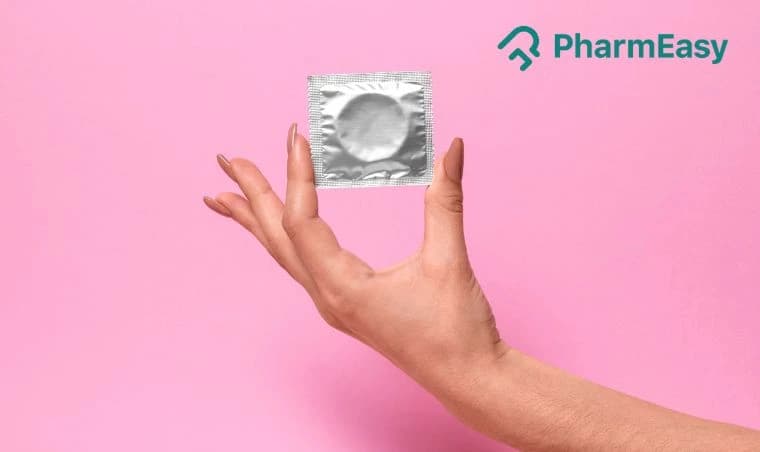
Understanding the Female Condom: Your Guide to an Empowering Contraceptive Choice
Meena, 45, a homemaker from Jaipur, experienced a growing concern about unplanned pregnancies and the urgent need for better safeguards against sexually transmitted infections (STIs). She had heard about the female condom but remained uncertain if it was the appropriate selection for her or her husband.
Numerous individuals in India find themselves in comparable predicaments, searching for dependable and empowering contraceptive avenues. The female condom, though perhaps less frequently discussed than its male counterpart, presents a distinct array of advantages for sexual and reproductive well-being.
In practical terms, the female condom functions as a contraceptive device intended for vaginal insertion before sexual intimacy. It is essentially a pouch crafted from a supple, pliable material such as nitrile or polyurethane, featuring a sealed end and an open one.
The internal ring at the closed extremity aids in anchoring the device within the vagina, while the external ring remains positioned at the vaginal opening, partially covering the external genital area. This construction establishes a barrier that impedes sperm from reaching the uterus and simultaneously furnishes defense against STIs.
That alone changes everything.
What Exactly is a Female Condom?
The female condom represents an innovative approach to birth control, placing the responsibility for prevention directly within the woman's grasp. It is a sheath, typically fabricated from nitrile rubber (a non-latex alternative, thus suitable for those with latex sensitivities), which lines the vaginal canal. In contrast to the male condom, which is worn externally on the penis, the female condom is placed inside the vagina before sexual engagement.
Its mechanism involves creating a barrier that prevents seminal fluid from entering the vaginal passage and cervix. The method of insertion is paramount to its efficacy.
Benefits of Using the Female Condom
The merits associated with the female condom are extensive and noteworthy. To begin with, it offers twofold prevention: it is highly effective in averting both unintended pregnancies and the transmission of STIs, including HIV.
Indeed, research indicates that when applied correctly, the female condom can be as successful as the male condom in preventing conception. Its success rate in averting pregnancy stands at approximately 79% with typical application, and up to 95% with flawless use, according to the World Health Organization (WHO).
The crucial aspect here is that it empowers individuals by granting them direct command over their birth control and health safeguards. They are not reliant on their partner's willingness or capacity to use a condom. This can be particularly advantageous in partnerships where discussions about sexual health are fraught with difficulty or where a history of coercion exists.
Recovery is rarely linear.
The female condom is also appropriate for those with latex sensitivities, as most are manufactured from nitrile or polyurethane. What's more,, it can be inserted up to eight hours before sexual activity, affording flexibility and alleviating apprehension regarding timing.
Consider the cultural landscape of India, where dialogues concerning sexual health can occasionally be considered taboo. The female condom provides a discreet means for individuals to assume responsibility for their reproductive health. Its utilization does not necessarily signify a lack of trust in a partner but rather represents a proactive stance toward health.
It serves as an instrument of empowerment, particularly in circumstances where individuals may possess less agency within the relationship. The adaptability in insertion timing also means it can be positioned before engaging in foreplay, potentially augmenting intimacy rather than disrupting it.
Potential Side Effects and Considerations
While the female condom presents numerous advantages, it is essential to be cognizant of potential downsides. Some users report a sensation of discomfort or awkwardness during insertion or intimacy, especially during the initial stages of learning its application. Friction or auditory feedback during sexual activity can also be a point of concern for some.
Recovery is rarely linear.
Candidly, the learning curve can be a factor; it necessitates some practice to achieve comfort with both insertion and removal. In certain instances, the device may dislodge during intercourse, thereby compromising its protective function.
Another factor to contemplate involves expense and accessibility. Although its availability is increasing, female condoms may carry a higher price tag than male condoms in specific locales or pharmacies. Securing a consistent supply can occasionally pose a hurdle. Have you ever pondered the reasons behind this?
Accessibility and affordability remain pivotal elements in the global adoption of contraceptive methods. Additionally, some individuals might experience minor irritation due to the lubricant or the material composition of the device, though this is uncommon. It is imperative to select the appropriate size and employ adequate lubrication to enhance comfort and mitigate the risk of tearing or displacement. The effectiveness rate of 79% with typical application highlights the significance of correct usage.
Frequently, apprehensions surrounding the female condom arise from a lack of familiarity. Education and proper demonstration are indispensable. For example, comprehending the function of the internal ring in maintaining the condom's position is critical for preventing it from migrating too deeply into the vagina during sexual activity.
That alone changes everything.
If the internal ring is inserted excessively far, it can induce discomfort and diminish the efficacy of the barrier. Correct insertion technique is paramount for both comfort and effectiveness.
How to Use a Female Condom Correctly
Mastering the application of the female condom is vital for maximizing its benefits. The procedure might initially seem challenging, but with practice, it becomes straightforward. Here is a guided sequence of steps:
- Preparation is Key: before opening the package, thoroughly cleanse your hands with soap and water. Carefully tear open the packaging along the designated edge – avoid employing sharp implements like teeth or scissors, as these could inadvertently damage the device. Gently extract the condom.
- Identify the Rings: The female condom is equipped with two rings. The inner ring is affixed to the sealed extremity of the pouch and assists in securing the device within the vagina. The outer ring is situated at the open end and rests externally at the vaginal entrance.
- Insertion: Adopt a comfortable posture, such as squatting, reclining with knees bent, or standing with one leg elevated. Squeeze the inner ring together, forming an oval configuration. Carefully introduce the sealed end of the condom, along with the inner ring, into the vagina. Advance it as far as is comfortably achievable, ensuring the inner ring is fully contained within the vaginal canal. The outer ring should lie outside the vaginal opening.
- During Intimacy: Guide your partner's penis into the vaginal opening, confirming that it enters within the confines of the condom's pouch. You can gently hold the outer ring in place throughout the act to ensure the device remains properly positioned and to prevent it from shifting. Endeavor to prevent any contact between the penis and the exterior of the condom or the vaginal walls.
- Removal: Following ejaculation, and before rising or permitting the penis to fully withdraw, twist the outer ring to retain the condom securely. Carefully extract the device, taking care to prevent any leakage of seminal fluid. Dispose of the used condom appropriately by wrapping it in tissue and placing it in a waste receptacle – never flush it down the toilet.
What action should you take if the condom feels uncomfortable or produces sound? Adjust the external ring. If it becomes dislodged, remove it and use a new device if sexual activity is to resume.
If you are uncertain about the correct insertion technique, seek guidance from a healthcare professional or a family planning clinic. Grasping the mechanics, much like navigating the intricate dietary adjustments during celebrations such as Diwali or Holi, requires a degree of learning and adaptation.
Female Condom vs. Male Condom: A Comparison
Both female and male condoms are highly proven methodologies for birth control and STI prevention when applied correctly. However, they differ in terms of who controls their application and the manner in which they are used. The female condom grants individuals agency over their protective measures, independent of their partner's inclination to use a condom.
This represents a significant advantage in specific relational dynamics. The male condom, conversely, is generally considered simpler to apply for many individuals and may be more readily available and less costly in certain markets. The typical use effectiveness for male condoms also approximates 87%, with perfect use effectiveness at 98%, according to WHO data.
That alone changes everything.
The materials employed can also vary; whereas male condoms are predominantly fashioned from latex, female condoms are frequently constructed from nitrile or polyurethane, rendering them a safer alternative for those with latex sensitivities. The internal placement of the female condom means it envelops a larger surface area of the vaginal lining, potentially offering more extensive defense against certain infections.
Nevertheless, the external application of the male condom might be perceived as less intrusive by some users.
When to Choose the Female Condom
The female condom stands out as an excellent selection for individuals and couples seeking a dependable, dual-action method where the individual desires direct oversight of their contraception. It is particularly advocated for:
- Individuals who wish to be in command of their birth control and personal health safeguards.
- Those with sensitivities to latex.
- Partners aiming for protection against both conception and STIs.
- Circumstances where a partner might be hesitant or inconsistent in using male condoms.
- Individuals who value the flexibility of applying preventative measures hours before sexual engagement.
In India, where access to health information can fluctuate, equipping individuals with knowledge about a variety of contraceptive options is paramount. The female condom symbolizes a substantial stride towards gender parity in sexual and reproductive health. It is a testament to advancements in public health, ensuring that a greater number of people have access to the resources necessary for a healthy sexual life.
Bear in mind, consistent and accurate application is crucial, irrespective of the chosen method. 6 billion individuals globally employ condoms for birth control and STI prevention (WHO). While the female condom constitutes a smaller fraction of this figure, it remains an indispensable component of the contraceptive landscape.
That's the part worth remembering.
Key Takeaways
- The female condom delivers dual protection against pregnancy and STIs.
- It empowers individuals by granting them direct control over their birth control.
- Crafted from nitrile or polyurethane, it is suitable for those with latex sensitivities.
- Correct insertion and application are vital for optimal effectiveness (up to 95% with perfect use).
- It can be inserted up to 8 hours before intimacy, providing adaptability.
Always seek counsel from a qualified medical practitioner before making any health-related decisions.