

Free Helpline
We are here to assist you.
Health Advisor
+91-8877772277Available 7 days a week
10:00 AM – 6:00 PM to support you with urgent concerns and guide you toward the right care.

We are here to assist you.
Health Advisor
+91-8877772277Available 7 days a week
10:00 AM – 6:00 PM to support you with urgent concerns and guide you toward the right care.
Discover the art of circular breathing, a technique that allows continuous sound and breath. Learn how singers, musicians, and meditators can master this skill for enhanced performance and deeper relaxation. Includes practice steps and benefits.
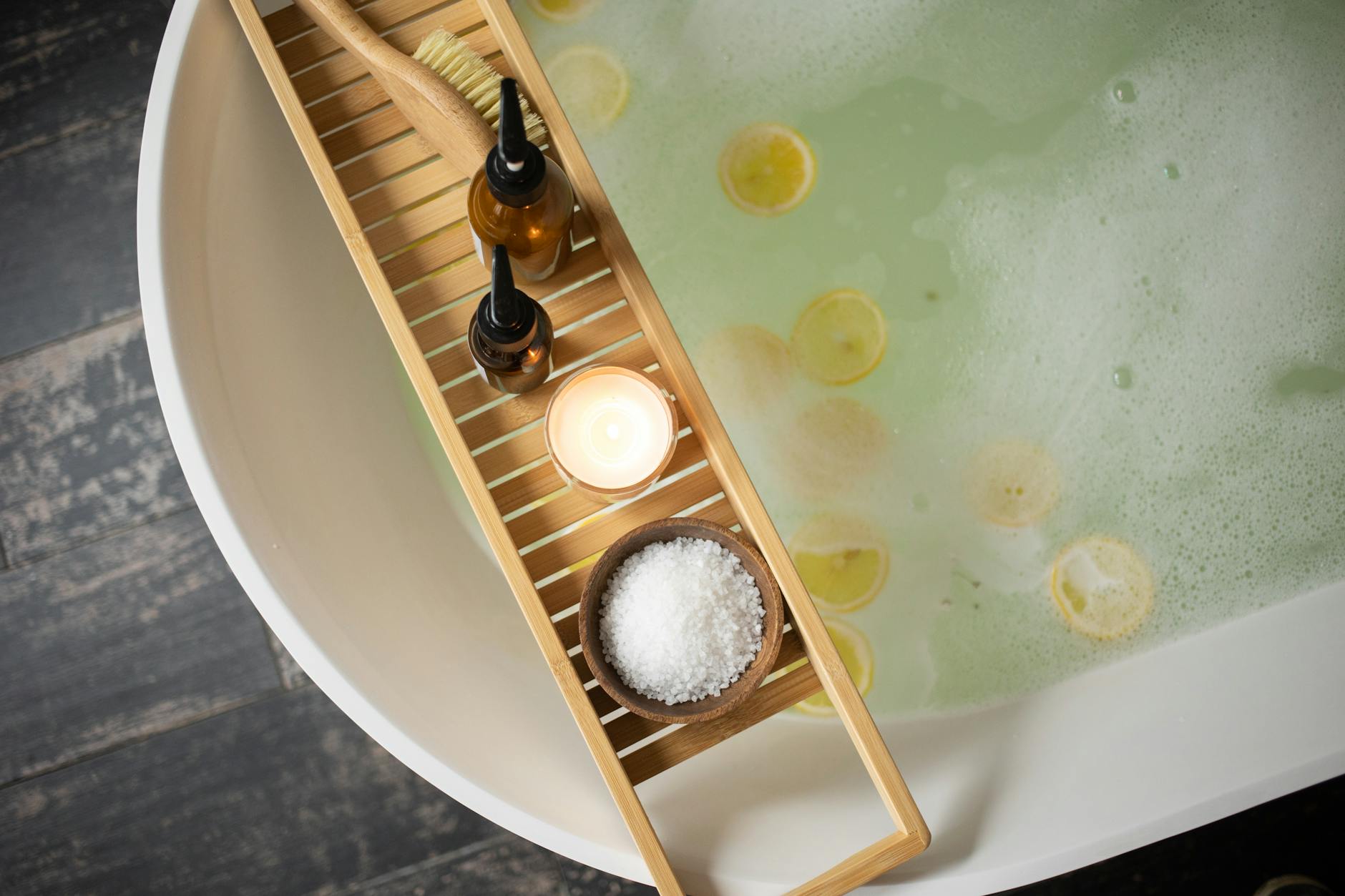
Discover how to use essential oils like lavender, lemon, and eucalyptus in your bath to promote relaxation, improve mood, and soothe muscles. Learn safe dilution methods and precautions for a rejuvenating experience.
April 1, 2026

Discover the ancient 5 Tibetan Rites, a sequence of five exercises believed to restore youth and vitality. Learn how to perform each rite and unlock its benefits for energy, sleep, and well-being.
April 1, 2026

Have you ever listened to a singer hold an incredibly long note or a wind instrument player produce a seamless melody and wondered how they do it? The secret often lies in a fascinating technique called circular breathing. This method allows performers to maintain a continuous sound without audible pauses for inhalation. But it's not just for musicians; circular breathing offers significant benefits for meditation and overall breath control, even for those in India seeking deeper relaxation and focus. Let's explore what circular breathing is, why it's beneficial, and how you can start practicing it.
Circular breathing is a technique that enables you to inhale through your nose while simultaneously exhaling air from your mouth. Essentially, you are creating a continuous loop of air supply. Imagine a river flowing without interruption – that's the sound and sensation circular breathing aims to achieve. For wind instrumentalists and singers, this means no breaks in the music. For meditators, it means a more profound and sustained state of calm.
Mastering circular breathing involves a clever coordination between your lungs, cheeks, and nasal passages. Here's a breakdown of the four key stages:
It might sound complex, but with practice, this becomes an almost subconscious process.
The advantages of circular breathing extend beyond just musical performance:
Meet Priya, a young woman in Mumbai who dreams of becoming a professional singer. During her vocal lessons, she struggles with holding long notes, often running out of breath mid-phrase, which breaks the emotional flow of the song. Her guru suggests practicing circular breathing to build her stamina and refine her breath support. Priya initially finds it challenging, feeling awkward puffing her cheeks, but with consistent practice, she starts to notice a difference. The seamless transitions begin to emerge, and her confidence soars as she masters those challenging long notes.
Ready to give it a try? Start with these fundamental exercises. Consistency is key!
For Instrumentalists:
For Singers:
While circular breathing can be self-taught, seeking guidance from a qualified music teacher, voice coach, or a meditation instructor experienced in breathwork can be incredibly beneficial. They can provide personalized feedback, correct improper techniques, and help you avoid potential strain.
It requires patience and consistent practice. Some people pick it up more quickly than others, but with dedication, most can master the basics.
When practiced correctly, circular breathing is safe. The key is to take quick, gentle inhales through your nose and not to force air into your lungs excessively. If you experience any discomfort, stop and consult a professional.
The timeline varies greatly. Some may grasp the fundamental concept within weeks, while achieving a truly seamless and effortless technique can take months or even years of dedicated practice.
It's generally not practical or necessary for everyday speech. The technique is primarily used for sustained sound production in music or for specific meditative practices.
Improved breath control can indirectly benefit other areas requiring sustained breath, such as certain athletic activities or public speaking, by enhancing lung capacity and efficiency.