

Free Helpline
We are here to assist you.
Health Advisor
+91-8877772277Available 7 days a week
10:00 AM – 6:00 PM to support you with urgent concerns and guide you toward the right care.

We are here to assist you.
Health Advisor
+91-8877772277Available 7 days a week
10:00 AM – 6:00 PM to support you with urgent concerns and guide you toward the right care.
Discover top iPhone and Android apps designed to support your journey to becoming smoke-free. Features include progress tracking, craving management, and community support.

Smoking is a formidable habit, often cited as the leading cause of preventable diseases and deaths. The addictive nature of nicotine makes quitting an immense challenge for many. However, in our increasingly connected world, your smartphone can become a powerful tool in your arsenal against this habit. This guide explores some of the best apps available for both iPhone and Android devices, designed to support you on your journey to becoming smoke-free. These apps offer a range of features, from tracking your progress and health benefits to providing community support and craving management tools. Embracing technology can make the path to a healthier, smoke-free life more manageable and even rewarding.
Quitting smoking isn't just about willpower; it's about having the right strategies and support systems in place. Nicotine is highly addictive, creating both physical and psychological dependencies. Apps can address these challenges by:
QuitNow! stands out for its comprehensive approach to helping you quit. It breaks down your quitting journey into four key areas:
The app also features a robust FAQ section and a helpful bot to answer your questions, making it a well-rounded resource.
Smoke Free is designed to help you quit smoking gradually or all at once, offering flexibility based on your preference. Key features include:
This app empowers you to see the direct benefits of quitting in real-time, making the process more tangible and rewarding.
Kwitt focuses on making the quitting process engaging and interactive. It offers:
Kwitt aims to make quitting feel less like a struggle and more like an empowering accomplishment.
Developed by the American Lung Association, Quit Coach is a science-backed app designed to help you create a personalized quit plan. It offers:
This app leverages expert knowledge to provide a structured and supportive quitting experience.
Happy Habits focuses on building positive new habits to replace smoking. It offers:
The app emphasizes building a healthier lifestyle alongside quitting smoking.
Ramesh, a 45-year-old father of two, had tried to quit smoking multiple times without success. The cravings felt overwhelming, especially during stressful workdays. He downloaded the Smoke Free app and started using its 'Slow Mode,' gradually reducing his cigarette intake. When cravings hit hard, he'd play the app's memory game or read about the health benefits he was gaining. After three months, he was completely smoke-free and felt a surge of pride, sharing his success with his family and the app's community forum.
While apps can be incredibly effective, they are not a substitute for professional medical advice or treatment, especially for long-term or heavy smokers. If you experience severe withdrawal symptoms, such as intense anxiety, depression, or physical discomfort, it's important to consult a doctor. Healthcare professionals can offer:
Don't hesitate to reach out to your doctor or a quit-smoking helpline for personalized guidance and support.
A: While effectiveness varies from person to person, many users report significant success using these apps. They provide structure, motivation, and support that can be more effective than quitting alone.
A: Many of these apps offer a free version with core features. Some may have premium versions with additional features available through subscription or a one-time purchase.
A: These apps can be a valuable tool, but if you're a heavy smoker, consider combining app usage with professional medical support and therapies for the best results.
A: Regularly engage with the app's motivational features, track your progress, celebrate your milestones, and lean on the in-app community for support. Remind yourself of the health and financial benefits of being smoke-free.
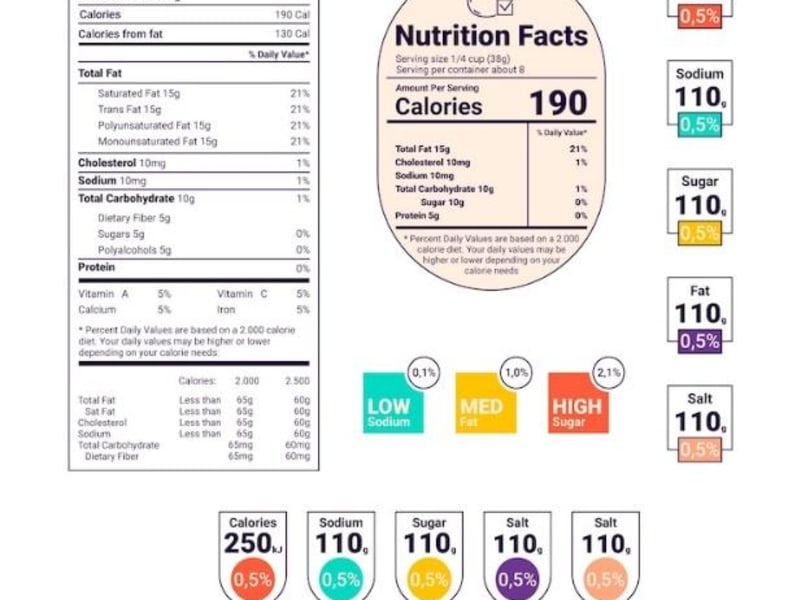
Nutrition labels are designed to inform — but food manufacturers often make them difficult to interpret. This expert guide walks through every section of a nutrition label, exposing the common tricks used to mislead consumers and showing you what to actually look for.
April 14, 2026
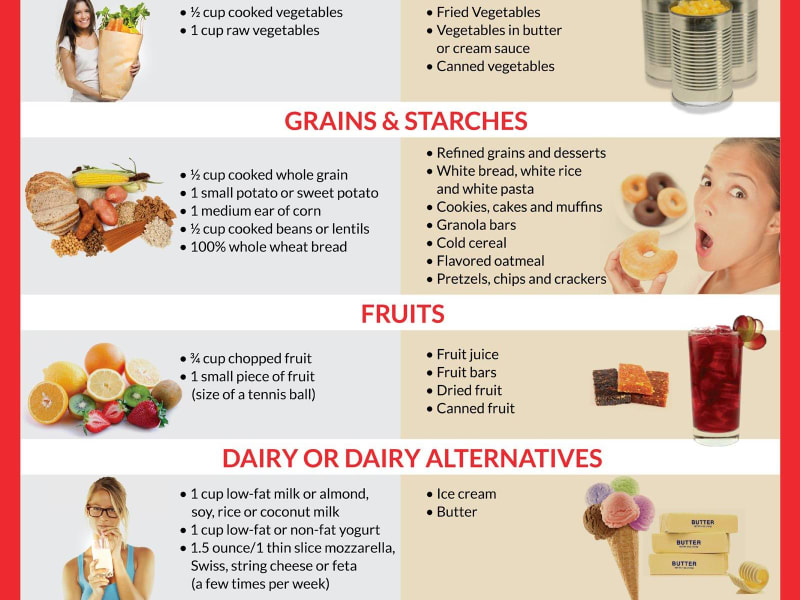
The carbohydrate debate is more nuanced than "eat less carbs." The quality of carbohydrates — their fibre content, processing level, and glycaemic impact — matters far more than their mere presence in your diet. Here's the science behind the distinction.
April 14, 2026
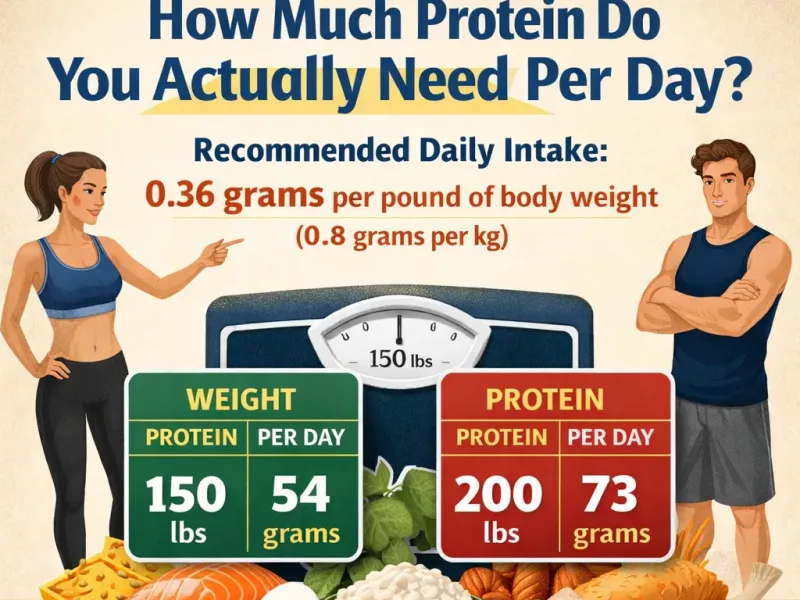
Most official protein recommendations were set to prevent deficiency — not to optimise health, muscle mass, or longevity. New research suggests the real requirements are significantly higher than the standard RDA, particularly for active adults and older populations.
April 13, 2026