

Free Helpline
We are here to assist you.
Health Advisor
+91-8877772277Available 7 days a week
10:00 AM – 6:00 PM to support you with urgent concerns and guide you toward the right care.

We are here to assist you.
Health Advisor
+91-8877772277Available 7 days a week
10:00 AM – 6:00 PM to support you with urgent concerns and guide you toward the right care.
Discover how to choose the perfect face moisturizer for your skin type in India. Learn about key ingredients, product types, and expert tips for hydrated, healthy skin.

Finding the right face moisturizer can feel like navigating a maze. With so many options promising miraculous results, how do you pick the one that truly suits your skin, especially considering India's diverse climate and skin concerns? This guide will help you decode the world of moisturizers, from understanding your skin type to selecting ingredients that will make your skin happy and healthy. We’ve spoken to dermatologists and reviewed popular options to bring you practical advice tailored for Indian readers.
Many people, especially those with oily skin, think they can skip moisturizer. This is a common misconception! Your skin needs hydration regardless of its type. When your skin lacks moisture, it can actually start producing more oil to compensate, leading to breakouts. Moisturizers don't just add water; they also help create a protective barrier on your skin, shielding it from environmental aggressors like pollution and harsh weather, which are significant concerns in many parts of India.
Before you even look at a product, you need to know your skin type. This is the most critical factor in choosing an effective moisturizer. Here’s a simple way to check after cleansing your face:
The ingredient list can be overwhelming, but some key components are universally beneficial:
The goal is hydration without adding greasiness. Look for lightweight, oil-free, and non-comedogenic formulas (meaning they won't clog pores).
You need richer formulas that provide deep hydration and lock in moisture.
A balanced approach is key. You might need different products for different areas, or a versatile moisturizer.
Opt for fragrance-free, hypoallergenic formulas with minimal ingredients.
Focus on hydration, barrier repair, and ingredients that promote cell turnover and collagen production.
Priya lives in Delhi and her skin often feels dull and congested due to the high pollution levels, especially in winter. She has combination skin that tends to get oily in the T-zone. Her dermatologist recommended a lightweight, niacinamide-rich moisturizer with SPF 30 for the day. This helps control oil, keeps her skin hydrated without clogging pores, and provides essential protection against sun damage and environmental pollutants. She uses a slightly richer, ceramide-based cream at night to repair her skin barrier.
Apply moisturizer twice a day:
Products like Nurx ReviveRx Cream contain active ingredients such as tretinoin, which require a prescription. These are potent and designed to address specific concerns like aging or severe acne. Always consult a dermatologist before using prescription-strength skincare. They can assess your skin and guide you on proper usage to avoid irritation, often recommending a gradual introduction, like applying every other night initially.
Before slathering a new product all over your face, do a patch test. Apply a small amount to an inconspicuous area, like behind your ear or on your inner arm, and wait 24-48 hours. If you don't experience any redness, itching, or irritation, it's likely safe to use on your face.
Generally, no. Rich creams for dry skin can clog pores and worsen oiliness or breakouts in oily skin types. Stick to formulas designed for your specific skin type.
A pea-sized amount is usually sufficient for your entire face. You can add a little more for your neck if needed. More product doesn't always mean better results; it can sometimes lead to greasiness or irritation.
Yes, hydrating the skin can temporarily plump it up, making fine lines less noticeable. Ingredients like hyaluronic acid, peptides, and retinoids in certain moisturizers can also help improve skin texture and reduce the appearance of wrinkles over time.
Absolutely. Sensitive skin often has a compromised barrier, making it prone to dryness and irritation. A gentle, fragrance-free moisturizer can help strengthen this barrier and soothe the skin.
Lotions typically have a higher water content and are lighter, making them suitable for oily or combination skin, or for use in humid weather. Creams have more oil content and are thicker, providing more intense hydration for dry or mature skin, or for use in dry climates.
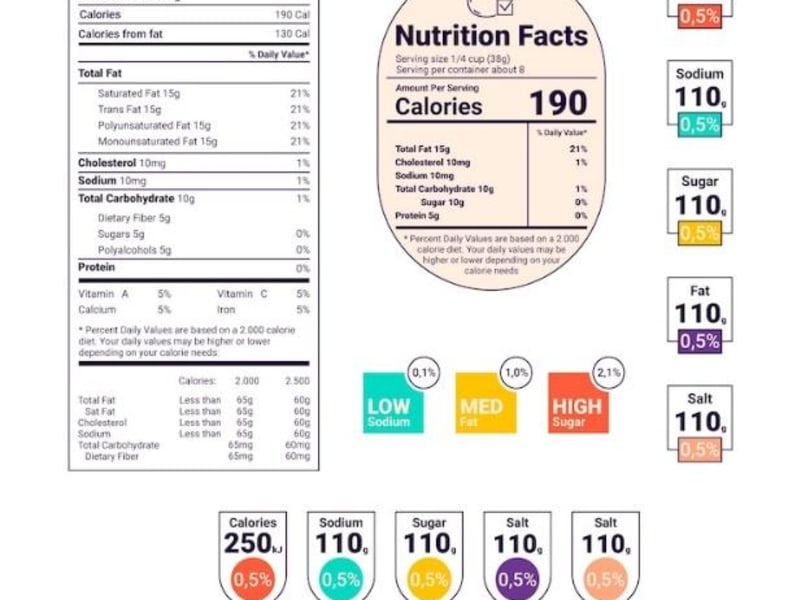
Nutrition labels are designed to inform — but food manufacturers often make them difficult to interpret. This expert guide walks through every section of a nutrition label, exposing the common tricks used to mislead consumers and showing you what to actually look for.
April 14, 2026
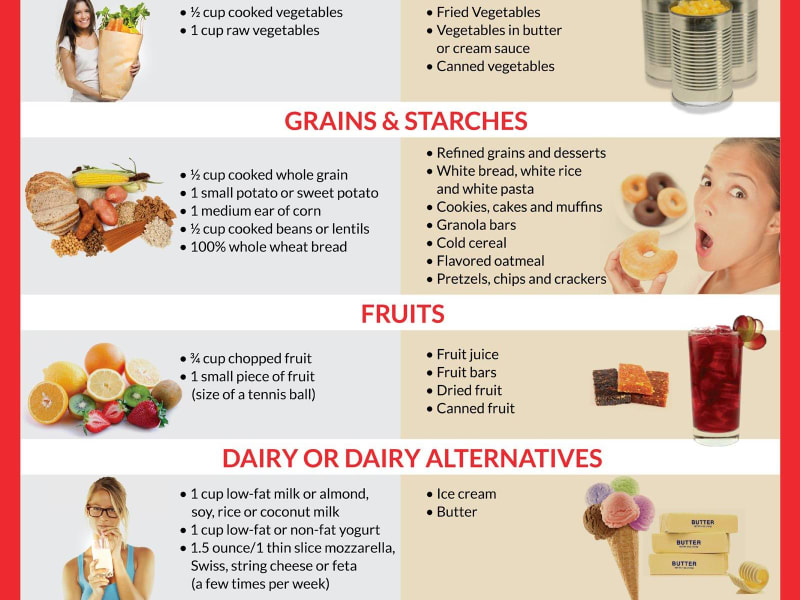
The carbohydrate debate is more nuanced than "eat less carbs." The quality of carbohydrates — their fibre content, processing level, and glycaemic impact — matters far more than their mere presence in your diet. Here's the science behind the distinction.
April 14, 2026

Most official protein recommendations were set to prevent deficiency — not to optimise health, muscle mass, or longevity. New research suggests the real requirements are significantly higher than the standard RDA, particularly for active adults and older populations.
April 13, 2026