

Free Helpline
We are here to assist you.
Health Advisor
+91-8877772277Available 7 days a week
10:00 AM – 6:00 PM to support you with urgent concerns and guide you toward the right care.

We are here to assist you.
Health Advisor
+91-8877772277Available 7 days a week
10:00 AM – 6:00 PM to support you with urgent concerns and guide you toward the right care.
Discover what makes tooth enamel the hardest substance in the human body, stronger than steel! Learn about bones, muscles, and how to protect these vital tissues for lifelong health.

When we talk about hardness, we often think of minerals and metals. Your tooth enamel is a prime example of how your body can create something that rivals these materials. Composed of about 96 percent densely packed minerals, primarily hydroxyapatite, enamel is the ultimate shield for your teeth. This dense mineral structure is what gives it its incredible resistance to wear and tear, whether you're crunching on crispy snacks or sipping a hot cup of chai.
To understand just how hard enamel is, scientists use the Mohs Hardness Scale. This scale ranks minerals based on their scratch resistance. On this scale, tooth enamel scores a 5. To put that into perspective, steel typically ranks between 4 and 4.5. This means your tooth enamel is as hard as, or even harder than, steel! While diamonds hold the top spot at 10 on the Mohs scale, enamel's 5 is remarkably high for a biological substance. Think about that the next time you bite into a crunchy apple – your enamel is up to the task.
The strength of enamel isn't just about the minerals; it's also about their arrangement. At an atomic level, enamel crystals are tightly packed, oblong-shaped structures, thousands of times smaller than a human hair. This intricate, highly organized structure contributes significantly to its overall hardness and resistance to fracture. It's a testament to the body's ability to build complex, strong materials from the ground up.
It's natural to think of bones as the hardest substance in the body. After all, they provide our skeletal structure and protect vital organs. Bones are indeed incredibly strong and resilient. They also score a 5 on the Mohs Hardness Scale, putting them right alongside enamel. However, there's a key difference: bones are living tissue, constantly remodelled throughout your life.
Bones are primarily made of two components: collagen and minerals, mainly calcium phosphate. Collagen provides flexibility and tensile strength, while the minerals give bones their hardness and rigidity. This combination allows bones to be strong enough to bear weight and resist impact, yet flexible enough to absorb some stress without breaking. It's this balance that makes bones so effective as our body's framework.
Bones have two main types of tissue:
The jawbone and the femur (thigh bone) are often cited as the strongest bones in the body due to their size and the stresses they endure.
While enamel and bone are the champions of hardness, other tissues in your body play vital roles in strength and support, even if they aren't as hard.
Muscles are built for strength and flexibility. They are composed of thousands of highly organized, flexible fibers bound tightly together. This structure allows them to generate force, move your bones, and support your organs. While not hard in the mineral sense, muscles are incredibly strong and essential for nearly every bodily function.
Ligaments and tendons are made of strong connective tissue, primarily collagen. Ligaments connect bones to other bones, stabilizing joints and preventing excessive movement. Tendons connect muscles to bones, transmitting the force generated by muscles to create movement. Ligaments are generally less flexible but stronger than tendons. Tendons, while flexible, have a slower blood supply, making them more prone to certain injuries.
Consider a situation where you twist your ankle while walking quickly down a busy market street. If you've strained a ligament, it might feel unstable and painful, highlighting the critical role these tissues play in keeping your joints supported. If a tendon is inflamed, the simple act of walking might become difficult.
Understanding the strength of different body parts isn't just about trivia. It helps us appreciate why certain structures are prone to specific types of damage and how to protect them.
Since enamel is the hardest substance, it's your first line of defense against the wear and tear of eating and drinking. However, it's not invincible. Acidic foods and drinks, poor oral hygiene, and grinding your teeth can all erode enamel over time. Once enamel is lost, it does not grow back. Therefore, good oral hygiene practices are paramount:
Bones need care too! To maintain bone strength throughout your life, focus on:
These tissues benefit from:
While our bodies are remarkably strong, we can still experience injuries. Consult a doctor if you experience:
Understanding the incredible resilience of your body, from the hardness of enamel to the supportive strength of bones and the dynamic power of muscles, can empower you to take better care of yourself. Prioritize your oral hygiene, nourish your bones, and move your body wisely to enjoy a strong and healthy life.
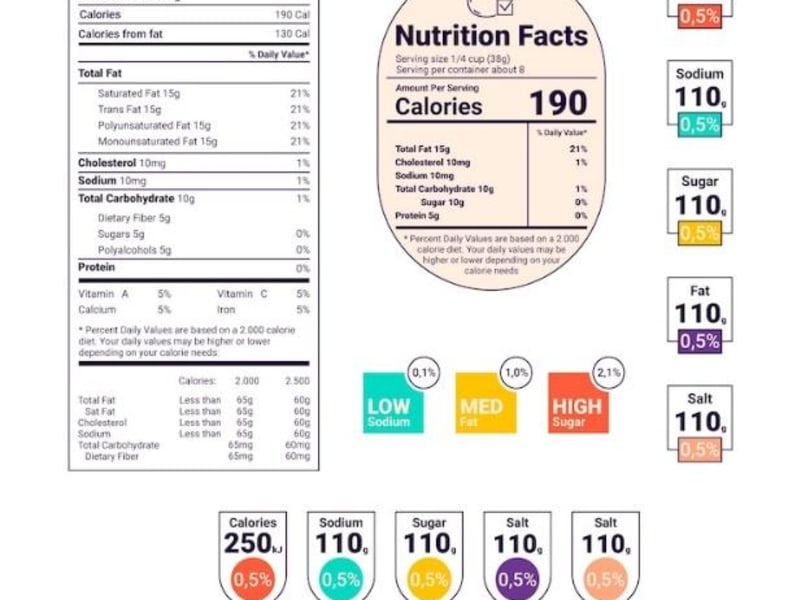
Nutrition labels are designed to inform — but food manufacturers often make them difficult to interpret. This expert guide walks through every section of a nutrition label, exposing the common tricks used to mislead consumers and showing you what to actually look for.
April 14, 2026
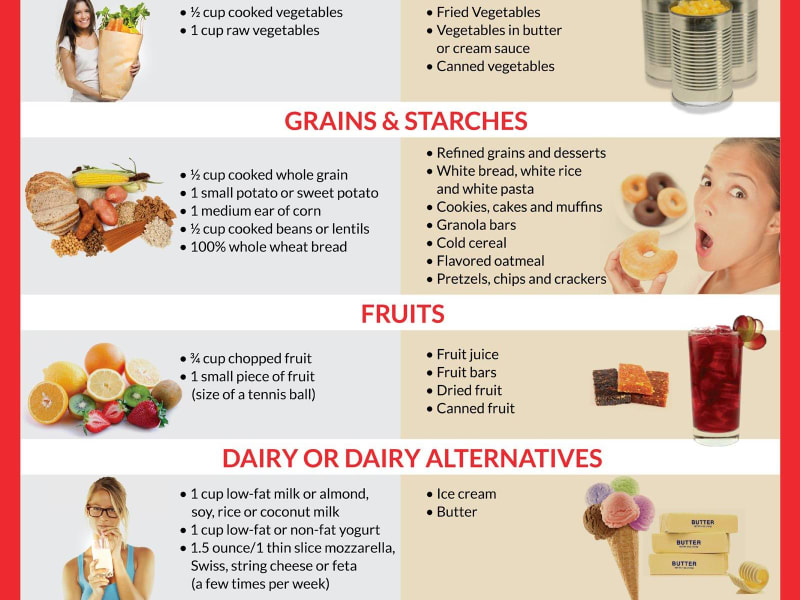
The carbohydrate debate is more nuanced than "eat less carbs." The quality of carbohydrates — their fibre content, processing level, and glycaemic impact — matters far more than their mere presence in your diet. Here's the science behind the distinction.
April 14, 2026
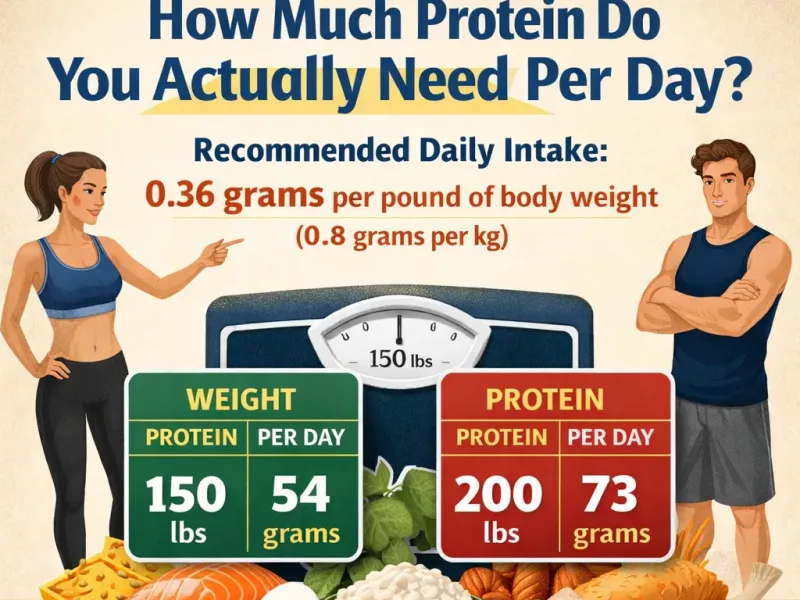
Most official protein recommendations were set to prevent deficiency — not to optimise health, muscle mass, or longevity. New research suggests the real requirements are significantly higher than the standard RDA, particularly for active adults and older populations.
April 13, 2026