

Free Helpline
We are here to assist you.
Health Advisor
+91-8877772277Available 7 days a week
10:00 AM – 6:00 PM to support you with urgent concerns and guide you toward the right care.

We are here to assist you.
Health Advisor
+91-8877772277Available 7 days a week
10:00 AM – 6:00 PM to support you with urgent concerns and guide you toward the right care.
Explore the shimmering world of gold facials. Discover what they are, their historical roots, claimed benefits, and the scientific evidence (or lack thereof). Learn about costs, potential risks like allergies, and whether this luxurious treatment is worth the splurge.

The allure of gold is undeniable. For centuries, this precious metal has been associated with wealth, luxury, and even healing properties. In recent times, the beauty industry has embraced gold, incorporating it into skincare products and treatments like the much-talked-about gold facial. But what exactly is a gold facial, and do the claims of its skin-transforming benefits hold true? Let's explore the science, the tradition, and what you can realistically expect.
A gold facial is a cosmetic treatment where real gold, typically in the form of 24-karat gold, is applied to your skin. This isn't just a dusting of glitter; the gold is often incorporated into creams, masks, or serums that are massaged into the face. Some treatments might even include tiny flecks of gold leaf. The idea behind it is that gold, due to its purported properties, can enhance skin health and appearance.
While the modern gold facial is a relatively new concept in Western beauty salons, the use of gold in medicine and skincare dates back thousands of years. In traditional Chinese, Indian (Ayurvedic), and Arabic medicine, gold has been utilized for its healing capabilities. For instance, in Ayurveda, a preparation called Swarna bhasma (or gold ash) has been historically used to treat various ailments. Gold compounds have even been explored in conventional medicine for their anti-inflammatory effects, particularly in treating conditions like rheumatoid arthritis, though this practice is less common now due to potential side effects.
Businesses offering gold facials often highlight a range of impressive benefits. These commonly include:
These claims paint a picture of a treatment that can dramatically rejuvenate and transform your skin. But how much of this is supported by scientific evidence?
This is where things get a bit more nuanced. While gold has a long history in traditional medicine, robust, large-scale scientific studies specifically proving the benefits of topical gold application in modern facials are limited. Dermatologists often point out a lack of direct scientific evidence backing many of the bold claims made by the beauty industry.
However, some ingredients often found *alongside* gold in these treatments *do* have scientific backing:
While these ingredients are beneficial, it's important to note that they are not exclusive to gold facials and can be found in many other high-quality skincare products. The direct contribution of the gold itself to these benefits is largely unproven in current scientific literature.
Dr. Brendan Camp, a dermatologist, mentions that while scientific evidence for topical gold is lacking, gold compounds have been used off-label to treat certain skin conditions like cutaneous lupus and pemphigus vulgaris. Similarly, oral gold medications were used for rheumatoid arthritis, but this is no longer common practice due to potential skin rashes.
A typical gold facial session lasts about 60 minutes. The process generally involves:
You might feel a slight warming sensation during the massage, which some attribute to increased blood circulation, though this is anecdotal.
Maya, a 35-year-old marketing executive, saw an advertisement for a luxurious gold facial promising to erase her stress-induced fine lines and give her a radiant glow before a big presentation. She was tempted by the promise of instant rejuvenation and the unique experience. However, she also wondered if it was worth the hefty price tag and if the results would be anything more than a temporary pampering session.
Gold facials are generally considered a premium treatment. In many salons, you can expect to pay anywhere from ₹8,000 to ₹15,000 (approximately $100 to $200 USD) for a 60-minute session. This price point is comparable to other high-end, specialized facial treatments. You can also find gold-infused masks and creams in beauty stores or online, ranging from ₹4,000 to ₹40,000 ($55 to $500 USD). However, with at-home products, you're often paying a premium for the
Most people do not notice early warning signs right away. That is common. A simple symptom diary, basic routine checks, and timely follow-up visits can prevent small problems from becoming serious.
If you are already on treatment, stay consistent with medicines and lifestyle advice. If your symptoms change, do not guess. Check with a qualified doctor and update your plan early.
Write down symptoms, triggers, and timing for a few days.
Carry old prescriptions and test reports to your consultation.
Ask clearly about side effects, red-flag signs, and follow-up dates.
Seek urgent care for severe pain, breathing trouble, bleeding, fainting, or sudden worsening.
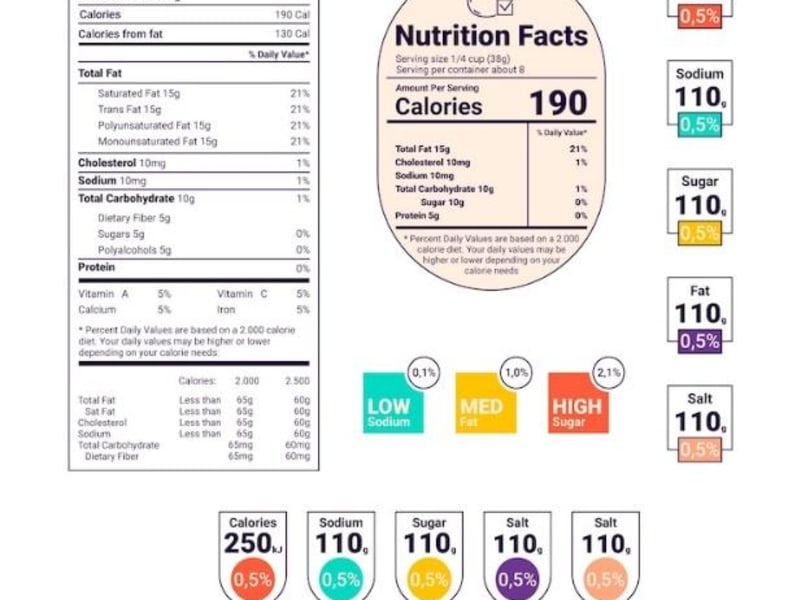
Nutrition labels are designed to inform — but food manufacturers often make them difficult to interpret. This expert guide walks through every section of a nutrition label, exposing the common tricks used to mislead consumers and showing you what to actually look for.
April 14, 2026
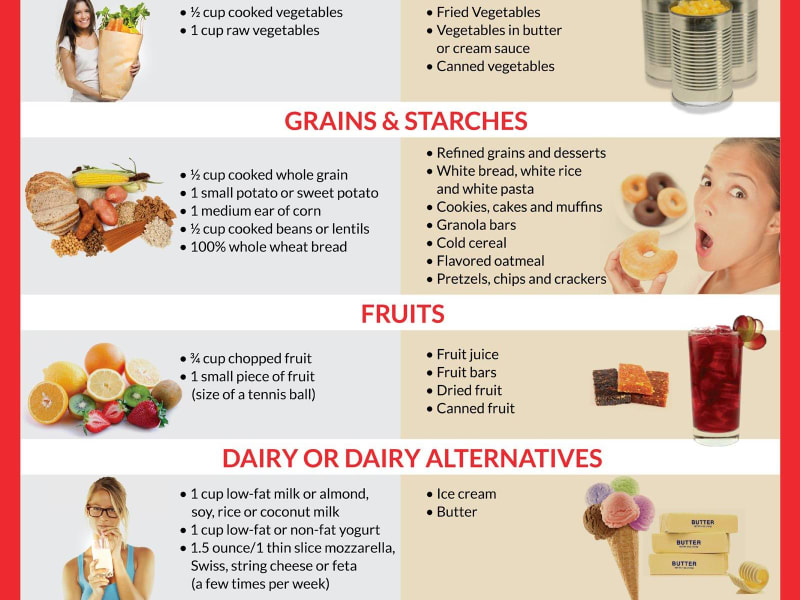
The carbohydrate debate is more nuanced than "eat less carbs." The quality of carbohydrates — their fibre content, processing level, and glycaemic impact — matters far more than their mere presence in your diet. Here's the science behind the distinction.
April 14, 2026

Most official protein recommendations were set to prevent deficiency — not to optimise health, muscle mass, or longevity. New research suggests the real requirements are significantly higher than the standard RDA, particularly for active adults and older populations.
April 13, 2026