

Free Helpline
We are here to assist you.
Health Advisor
+91-8877772277Available 7 days a week
10:00 AM – 6:00 PM to support you with urgent concerns and guide you toward the right care.

We are here to assist you.
Health Advisor
+91-8877772277Available 7 days a week
10:00 AM – 6:00 PM to support you with urgent concerns and guide you toward the right care.
Explore the technique of wet balayage, understanding what happens when bleach is applied to damp hair, its benefits, risks, and why professional consultation is recommended for this subtle hair lightening method.

Have you ever looked at celebrity hairstyles and admired that effortlessly sun-kissed, subtly lighter look? Often, this isn't achieved with harsh, all-over bleaching, but with a more nuanced technique. One such method gaining popularity is 'wet balayage,' which involves applying lightener to damp hair. But what exactly happens when you bleach wet hair, and is it safe for your locks? Let's dive into the details.
Balayage itself is a freehand hair coloring technique where a colorist "paints" bleach onto selected strands of your hair. The goal is to create a soft, natural-looking gradation of color, typically with more lightness towards the ends. Traditionally, balayage is performed on dry hair, allowing the colorist precise control over placement and saturation.
However, the trend of 'wet balayage' has emerged. This technique involves applying the lightener to hair that is damp, not fully dry or soaking wet. The reasons for choosing this method are varied:
Understanding how bleach interacts with your hair is key. Hair strands have an outer layer called the cuticle, which is made up of overlapping scales. These scales protect the inner core of the hair, known as the cortex, where your natural pigment (melanin) resides.
When your hair is dry, the cuticle lies relatively flat. Applying bleach to dry hair allows it to penetrate the cuticle, reach the cortex, and break down the melanin, thus lightening the hair. Bleach also affects the proteins within the hair shaft, which can lead to weakening.
Now, what happens when hair is wet? Water causes the cuticle scales to lift and open up. When bleach is applied to damp hair, these already-raised cuticles allow the bleach to enter the cortex more easily. However, because the bleach is diluted by the water, its lightening power is reduced. This means it lightens the hair more softly and quickly, achieving that subtle effect.
This is a critical question for anyone considering this technique. While wet balayage offers specific aesthetic benefits, it's true that hair is at its most fragile when wet. The open cuticle, while allowing easier bleach penetration, also makes the hair more vulnerable. The protective barrier is compromised, increasing the risk of damage to the cortex and the hair's structural proteins.
Imagine trying to lift a very heavy, wet towel versus a dry one – the wet towel is much heavier and harder to manage. Similarly, wet hair is more elastic and prone to breakage. If bleach is applied incorrectly, left on too long, or if the hair is already compromised, the damage can be significant.
Given the increased vulnerability of wet hair, attempting wet balayage at home is generally not recommended. Professional hair coloring kits and instructions are typically designed for dry hair. Applying bleach to wet hair without the proper knowledge and technique could lead to:
A trained colorist understands the delicate balance of water, bleach, and processing time. They can assess your hair's condition and choose the right products and techniques to achieve your desired look while minimizing damage.
If you're intrigued by the subtle, natural-looking lightness that wet balayage can offer, your best bet is to book a consultation with a professional colorist. They can:
For instance, imagine you're heading to a friend's wedding and want a touch of brightness in your hair, but you're nervous about damage. You've seen pictures of that soft, blended highlight look online. Instead of buying a box dye and hoping for the best, you schedule a visit with a colorist. You show them the photos, and they explain how a wet balayage might achieve that effect for your hair type, ensuring it's done safely.
Regardless of whether you opt for wet or dry balayage, lightening your hair requires a commitment to proper care. Here are some essential tips:
It is strongly advised against using regular at-home bleach kits on wet hair. These kits are formulated for dry hair, and using them on wet hair can lead to unpredictable results and potential damage due to the altered processing time and increased hair fragility.
For traditional balayage on dry hair, it's often recommended to wait at least 24-48 hours after washing. This allows your scalp's natural oils to build up, offering a protective layer against irritation from the bleach. For wet balayage, the hair is intentionally damp, but it's still best to consult your colorist, as they will prepare your hair appropriately.
While significant hair loss is not a typical outcome of correctly performed wet balayage, excessive damage from improper application can lead to breakage. This might appear as thinning or hair falling out, but it's usually a result of the hair shaft breaking due to weakness, rather than the follicle itself becoming detached.
Wet balayage is often best suited for those looking for subtle lightening. It might be more forgiving on hair that is already somewhat porous or has been previously lightened. However, very fine, damaged, or extremely dry hair might not be the best candidates due to their inherent fragility when wet. A professional assessment is always recommended.
In summary, wet balayage is a specialized technique that can achieve beautiful, subtle lightening effects. However, due to the increased vulnerability of wet hair, it's a process best left to the expertise of a professional colorist to ensure both the desired aesthetic and the health of your hair are maintained.

Nutrition labels are designed to inform — but food manufacturers often make them difficult to interpret. This expert guide walks through every section of a nutrition label, exposing the common tricks used to mislead consumers and showing you what to actually look for.
April 14, 2026
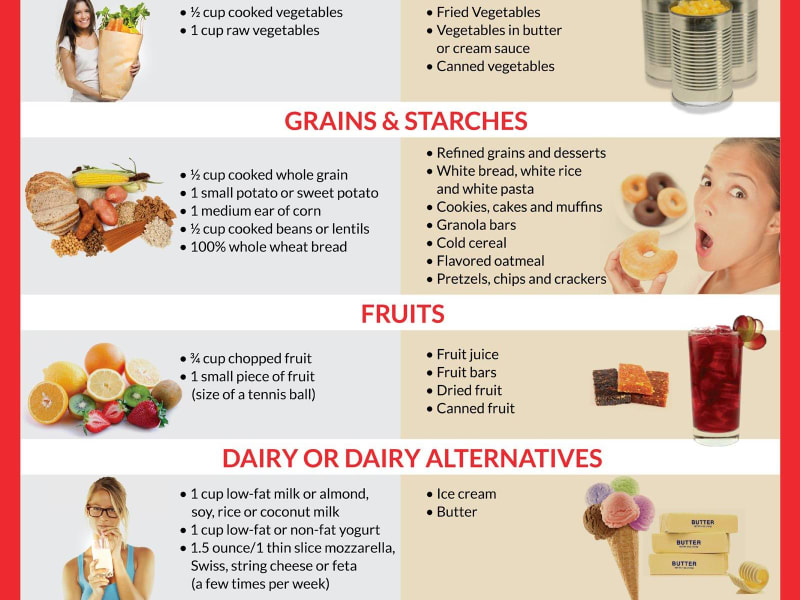
The carbohydrate debate is more nuanced than "eat less carbs." The quality of carbohydrates — their fibre content, processing level, and glycaemic impact — matters far more than their mere presence in your diet. Here's the science behind the distinction.
April 14, 2026

Most official protein recommendations were set to prevent deficiency — not to optimise health, muscle mass, or longevity. New research suggests the real requirements are significantly higher than the standard RDA, particularly for active adults and older populations.
April 13, 2026