

Free Helpline
We are here to assist you.
Health Advisor
+91-8877772277Available 7 days a week
10:00 AM – 6:00 PM to support you with urgent concerns and guide you toward the right care.

We are here to assist you.
Health Advisor
+91-8877772277Available 7 days a week
10:00 AM – 6:00 PM to support you with urgent concerns and guide you toward the right care.
Discover the 4 main butt shapes: square, round, heart, and inverted V. Learn how genetics and body structure influence your shape and get styling tips for each type.

Your butt is a unique and beautiful part of your body, just like any other feature. While we often focus on facial features or body weight, understanding your body's natural shape can be surprisingly helpful, especially when it comes to fashion. Did you know that plastic surgeons often categorize butt shapes into a few main types? It's not an exact science, but these classifications, based on the ratios between your waist, hips, and thighs, can offer a fun way to understand your silhouette and even help you pick out the most flattering jeans or underwear. Let's explore the four primary butt shapes: square, round, heart, and inverted V, and discover what makes each one distinct.
Before diving into the specifics of each shape, it's important to remember that these categories are general guidelines. Your body is a complex and wonderful thing, and you might find that you don't fit perfectly into just one box. Genetics, skeletal structure, muscle tone, fat distribution, and even hormonal changes over time all play a role in how your body is shaped. Think of these categories as a helpful starting point rather than a strict definition.
If the line from your hip bone down to your outer thigh is relatively straight, you likely have a square or H-shaped butt. This shape is characterized by a less pronounced curve between the waist and hips. Some individuals with this shape might have noticeable hip dips (indentations on the sides of the hips) or a bit of extra fat in the flank area, sometimes referred to as "love handles." This shape is also sometimes associated with a broader hip bone structure.
Tips for Styling: For those with an H-shaped butt, certain styles can enhance your silhouette. Boy shorts, bikinis, or thongs often offer a comfortable fit. When it comes to pants, high-waisted styles tend to be more flattering than low-rise options, as they can help create a smoother line. If you experience hip dips, well-fitting jeans that skim over this area can be very effective.
The inverted V-shape is characterized by a fuller upper buttock area that tapers down, creating an inward angle from the pelvis to the hips. This shape often appears when there is less volume in the lower butt cheeks compared to the upper part. It can be associated with a more defined waistline that then widens into the hips and buttocks.
Tips for Styling: Underwear styles like hipsters, briefs, or boy shorts that offer more coverage for the butt cheeks tend to be comfortable and flattering. When choosing jeans, look for those with fuller pockets positioned lower on the back, or styles with fading on the bottom part of the cheeks, as these can create a more rounded appearance. Stretch-fit jeans are also a great option, as they conform to your shape without flattening it.
The A-shaped butt, often referred to as heart-shaped when viewed from behind, is common in individuals with a "pear-shaped" body type. This shape features a more tapered waistline with fullness distributed in the lower part of the buttocks and thighs. The silhouette from the hips and butt cheeks creates an illusion of an inverted heart.
Tips for Styling: Underwear with high-cut legs or larger leg openings, such as high-cut panties, tangas, or bikinis, often provide the most comfort and a flattering look. For jeans, mid-rise styles in a stretchy denim fabric are recommended. These can help minimize any gaping at the waistband, common with this body shape, ensuring a snug and comfortable fit.
The round or O-shaped butt is characterized by fullness in both the upper and lower parts of the buttocks, creating a curvy, rounded appearance from behind. This shape is the result of fat distribution that encompasses the entire gluteal area, giving a consistently full look.
Tips for Styling: When selecting underwear, look for styles with ample fabric at the back to ensure full coverage and prevent discomfort. Tangas and thongs can work well. For jeans, high-rise, bootcut styles are often very flattering. Opt for denim without excessive hand sanding or distressing, as this can further accentuate the rounded shape.
Meet Priya, a 32-year-old marketing professional. She often struggles with finding jeans that fit her perfectly. She loves her curves but finds that jeans either fit her waist snugly but are too tight on her thighs, or they fit her thighs well but leave a noticeable gap at her waist. After reading about the different butt shapes, Priya realizes she likely has an A-shaped or heart-shaped butt. Armed with this knowledge, she decides to try mid-rise, curvy-fit jeans in a stretch denim fabric. To her delight, they fit her waist perfectly and comfortably accommodate her thighs, finally solving her long-standing denim dilemma!
Yes, absolutely. As we age, undergo hormonal changes (like during pregnancy or menopause), or experience significant weight fluctuations, our body's fat distribution can change, which in turn can alter the shape of our buttocks.
No, not at all. All butt shapes are normal and healthy. The shape of your buttocks is primarily determined by genetics, skeletal structure, and fat distribution, not by your overall health.
While you can't change your underlying bone structure, you can certainly enhance the appearance of your buttocks through exercise. Glute-focused exercises like squats, lunges, and glute bridges can help build muscle mass, which can create a fuller and more toned look. Additionally, choosing clothing that flatters your natural shape can make a significant difference in how your silhouette appears.
Not directly in terms of the type of exercises you do for overall fitness. However, understanding your shape can help you choose exercises that target muscle development in specific areas if that's your goal. For example, if you have an H-shaped butt and want to add more volume, focusing on exercises that build gluteal muscle can be beneficial. Always consult with a fitness professional for personalized advice.
These categories are primarily used by plastic and cosmetic surgeons as a general classification system based on observable ratios. While they are practical for understanding body types and for fashion purposes, they are not rigid scientific classifications in the way a medical diagnosis would be.
While understanding your butt shape is mostly about personal preference and fashion, there are certain situations where consulting a doctor might be advisable. If you notice any sudden or significant changes in the shape or size of your buttocks, experience pain, swelling, or discomfort in the area, or have concerns about lumps or unusual growths, it's always best to seek professional medical advice. A doctor can help rule out any underlying medical conditions and provide appropriate guidance.
Ultimately, the most important thing is to embrace and appreciate your body's unique shape. Your butt, whatever its form, is a functional and integral part of you!
Access reliable home doctor visits in Pune. Get expert medical care, diagnosis, and treatment without leaving your home.
April 26, 2026
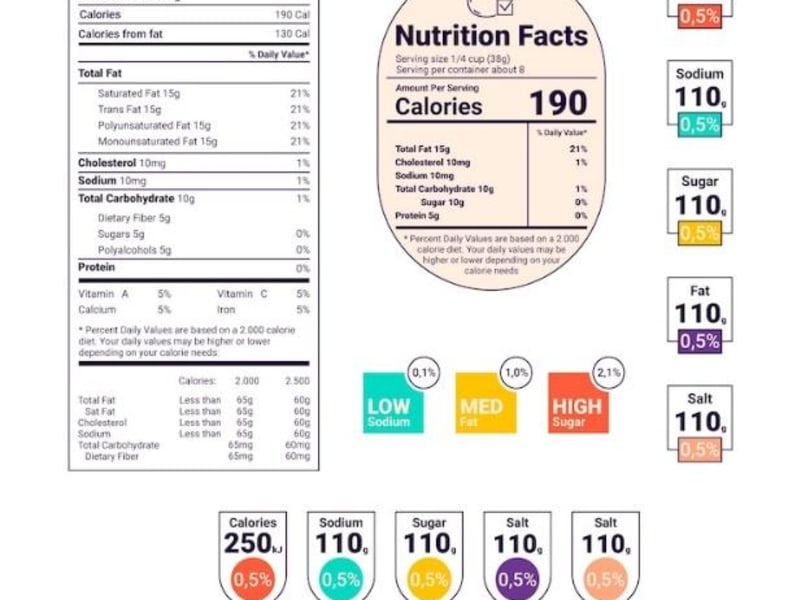
Nutrition labels are designed to inform — but food manufacturers often make them difficult to interpret. This expert guide walks through every section of a nutrition label, exposing the common tricks used to mislead consumers and showing you what to actually look for.
April 14, 2026
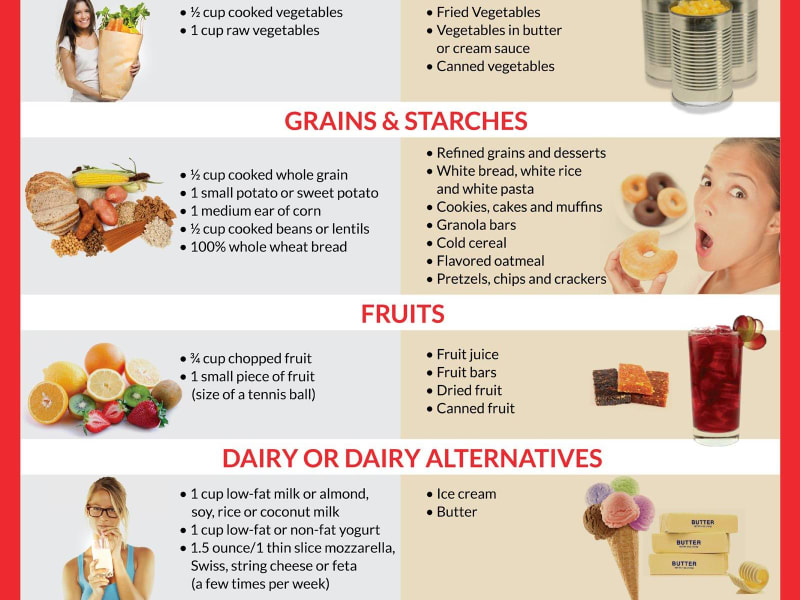
The carbohydrate debate is more nuanced than "eat less carbs." The quality of carbohydrates — their fibre content, processing level, and glycaemic impact — matters far more than their mere presence in your diet. Here's the science behind the distinction.
April 14, 2026