

Free Helpline
We are here to assist you.
Health Advisor
+91-8877772277Available 7 days a week
10:00 AM – 6:00 PM to support you with urgent concerns and guide you toward the right care.

We are here to assist you.
Health Advisor
+91-8877772277Available 7 days a week
10:00 AM – 6:00 PM to support you with urgent concerns and guide you toward the right care.
Explore the unique mineral profile and potential health benefits of Celtic sea salt, from supporting electrolyte balance and hydration to aiding nerve function and digestion. Learn how to incorporate this natural, unrefined salt responsibly into your diet and understand when caution is advised. Discover the difference this ancient salt can make for your wellness.
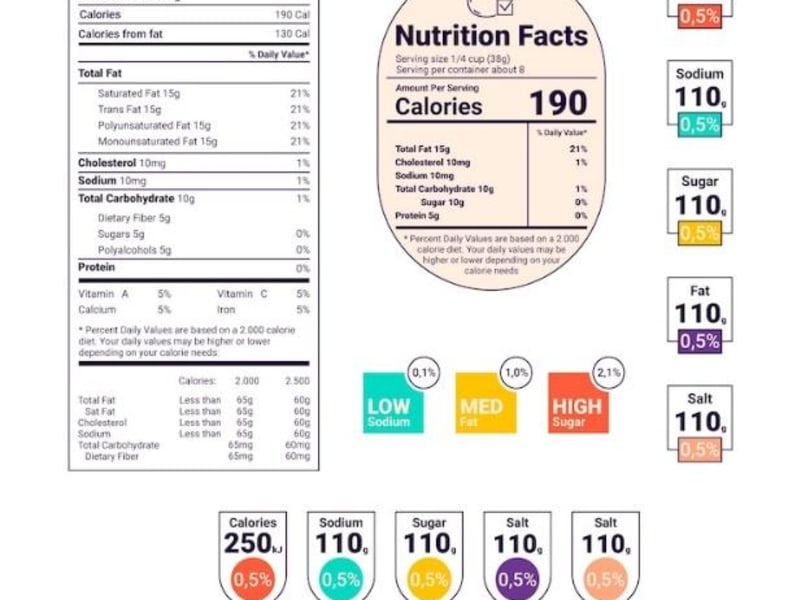
Nutrition labels are designed to inform — but food manufacturers often make them difficult to interpret. This expert guide walks through every section of a nutrition label, exposing the common tricks used to mislead consumers and showing you what to actually look for.
April 14, 2026
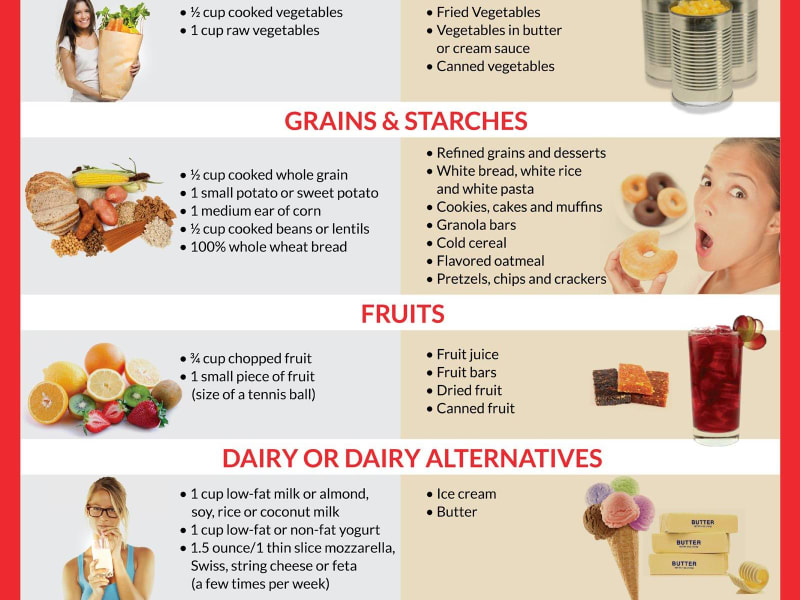
The carbohydrate debate is more nuanced than "eat less carbs." The quality of carbohydrates — their fibre content, processing level, and glycaemic impact — matters far more than their mere presence in your diet. Here's the science behind the distinction.
April 14, 2026


In the vast world of culinary ingredients and health supplements, few items spark as much discussion and intrigue as salt. For centuries, salt has been a staple, not just for flavoring food, but also for its crucial role in human physiology. While refined table salt has dominated our kitchens, there's a growing movement towards more natural, mineral-rich alternatives, with Celtic sea salt leading the charge. This ancient, unrefined salt, harvested from the coastal regions of Brittany, France, has gained significant attention for its distinct flavor profile and purported health benefits. But what exactly is Celtic sea salt, and can it truly offer more than just a pinch of flavor?
This comprehensive guide delves into the unique characteristics of Celtic sea salt, exploring its rich mineral composition, potential health advantages, and how it differs from other salts. We'll examine the science behind its claims, discuss responsible consumption, and provide practical tips for incorporating this natural wonder into your daily routine. Prepare to discover why this humble ingredient might be more than just a seasoning – it could be a valuable addition to your wellness journey.
Celtic sea salt, often recognized by its slightly damp texture and greyish hue, is harvested using traditional Celtic methods that date back over 2,000 years. Unlike industrial salt production, which often involves heavy machinery and refining processes, Celtic sea salt is collected by hand from clay-lined salt marshes along the Atlantic coast of France. Seawater is channeled into shallow beds, where it evaporates naturally under the sun and wind. This process allows the salt crystals to form slowly, absorbing essential minerals from the clay and ocean water, resulting in its distinctive mineral-rich profile.
The term 'sel gris' (grey salt) is often used interchangeably with Celtic sea salt, referring to its natural color which comes from the trace minerals and clay particles it retains. This traditional harvesting method ensures that the salt remains unrefined, unprocessed, and free from anti-caking agents, bleaching, or other chemical additives commonly found in conventional table salt.
The primary reason for Celtic sea salt's rising popularity in health circles lies in its unique mineral composition. While regular table salt is typically 97-99% sodium chloride, with most other minerals stripped away during processing, Celtic sea salt contains a broader spectrum of naturally occurring electrolytes and trace minerals. These include, but are not limited to:
This rich mineral profile is believed to be responsible for many of the health benefits attributed to Celtic sea salt, setting it apart from its heavily processed counterparts.
The proponents of Celtic sea salt often highlight a range of health benefits, primarily stemming from its comprehensive mineral content. While research specifically on Celtic sea salt is limited, the benefits are largely extrapolated from the known roles of the minerals it contains.
One of the most significant advantages of Celtic sea salt is its ability to support electrolyte balance. Electrolytes—minerals like sodium, potassium, magnesium, and calcium—are vital for numerous bodily functions, including:
When you sweat, especially during exercise or in hot weather, you lose electrolytes. Replenishing these is crucial for preventing dehydration, muscle cramps, and fatigue. Unlike plain water, which can sometimes dilute existing electrolytes, adding a small amount of Celtic sea salt to water can help replace lost minerals and improve cellular hydration. The balanced ratio of minerals in Celtic sea salt is thought to be more bioavailable, allowing the body to absorb and utilize them effectively.
Most official protein recommendations were set to prevent deficiency — not to optimise health, muscle mass, or longevity. New research suggests the real requirements are significantly higher than the standard RDA, particularly for active adults and older populations.
April 13, 2026