

Free Helpline
We are here to assist you.
Health Advisor
+91-8877772277Available 7 days a week
10:00 AM – 6:00 PM to support you with urgent concerns and guide you toward the right care.

We are here to assist you.
Health Advisor
+91-8877772277Available 7 days a week
10:00 AM – 6:00 PM to support you with urgent concerns and guide you toward the right care.
Discover 8 powerful pressure points on your hands that can help relieve pain, reduce stress, and boost your overall well-being through acupressure and reflexology.

In the bustling rhythm of modern life, finding simple, accessible ways to manage stress and improve health is invaluable. Acupressure and reflexology, ancient practices rooted in traditional medicine, offer a gentle yet effective approach. These disciplines believe that specific points on the body, when stimulated, can influence various bodily functions and promote healing. Our hands, often overlooked, are a treasure trove of these potent pressure points. This guide delves into eight essential pressure points located on your hands, explaining their purported benefits and how to stimulate them for your well-being.
Pressure points, also known as acupoints or reflex points, are believed to be highly sensitive areas on the body. According to acupressure and reflexology, applying pressure to these points can help unblock energy pathways, relieve pain, establish balance, and enhance overall health. While scientific research is still evolving to fully substantiate all claims, many individuals find these practices beneficial for pain management, relaxation, and promoting a sense of well-being due to their minimal side effects.
Acupressure involves applying firm pressure to specific points on the body, often using fingers, thumbs, or elbows. Reflexology, on the other hand, focuses on the principle that certain areas of the hands and feet correspond to different organs and systems in the body. By massaging these reflex zones, practitioners aim to stimulate corresponding body parts, thereby improving their function and promoting health. The human touch and tissue massage inherent in these practices are widely recognized for their therapeutic benefits.
Location: This point is found in the crease of your wrist, in line with the space between your ring and pinkie fingers. It's often described as being in a small depression just below the wrist bone on the pinkie side.
Benefits: Often referred to as the 'Spirit Gate,' HT7 is believed to calm the mind, relieve anxiety, reduce insomnia, and help with heart palpitations. It's a go-to point for emotional balance and stress relief.
How to stimulate: Gently massage this point with your thumb in a circular motion for a few minutes.
Location: Situated on the outer edge of your hand, just below the pinkie finger, in the depression formed when you make a loose fist.
Benefits: SI3 is thought to be effective in relieving neck pain, earaches, and headaches, particularly those located at the back of the head. It's also believed to help with stiffness in the neck and shoulders.
How to stimulate: Apply firm pressure with your thumb or finger, massaging in a circular motion.
Location: Hold your hands out with wrists together, palms up. Locate the two prominent tendons on the inner side of your forearm, about three finger-widths (approximately 3 cm) up from the wrist crease, in the space between these tendons.
Benefits: This point is renowned for its ability to alleviate nausea, vomiting, motion sickness, and chest discomfort. It's also believed to help calm the spirit and reduce anxiety.
How to stimulate: Press firmly with your thumb or index finger, massaging gently for a few minutes.
Location: With your palm facing up, run your finger down the side of your hand along the line of your pinkie finger until you reach the wrist crease. The point is located in a small depression just above the wrist bone on that side.
Benefits: Reflexologists suggest that regular stimulation of this point may promote happiness and regulate emotions. It's also associated with relieving symptoms of the common cold, such as sneezing and a runny nose.
How to stimulate: Gently massage this point with your thumb.
Location: This point is found on the edge of your hand, running from the tip of your thumb down along the side of your hand, ending just beneath the crease of your wrist. It's often located in a tender spot along this line.
Benefits: Massaging this point is believed to help relieve symptoms associated with the common cold and flu, including chills, sneezing, runny nose, and sore throat. It may also help with respiratory issues.
How to stimulate: Gently massage any tender spots along this line with your thumb until the discomfort subsides.
Location: *While this point is primarily located on the leg, some reflexology charts associate hand points with stomach health. For hand-based digestive relief, focus on the Hand Valley point.*
Benefits: *Stimulating ST36 on the leg is known to improve digestion, boost energy, and strengthen the immune system. It's a general wellness point.*
How to stimulate: *On the leg, find it about four finger-widths below the kneecap, one finger-width to the outside of the shin bone.*
Location: Located on the back of the forearm, about three finger-widths above the wrist crease, between the two prominent bones (tendons) on the back of your forearm.
Benefits: This point is thought to boost the immune system, relieve headaches, neck pain, and fever. It's also believed to provide a rush of energy and help with general fatigue.
How to stimulate: Apply firm pressure with your thumb or index finger, massaging in a circular motion.
Location: This is perhaps one of the most well-known and potent points. It's found in the fleshy webbing between your thumb and index finger. To locate it, squeeze your thumb and index finger together; the highest point of the muscle bulge is the location.
Benefits: LI4 is widely used to relieve headaches, toothaches, shoulder tension, and neck pain. It's also believed to help reduce stress and improve overall circulation. *Note: Pregnant women should avoid stimulating this point as it is believed to potentially induce labor.*
How to stimulate: Apply firm, deep pressure with your thumb and index finger, massaging in a circular motion for a few minutes.
While stimulating pressure points can be a beneficial complementary practice for general well-being and minor discomforts, it is crucial to remember that it is not a substitute for professional medical advice or treatment. If you are experiencing severe or persistent pain, chronic health conditions, or any new or concerning symptoms, it is essential to consult with a qualified healthcare professional. Acupressure and reflexology should be used as supportive therapies, not as primary treatments for serious medical issues. Always discuss any new health practices with your doctor, especially if you have underlying health conditions, are pregnant, or are taking medications.
Exploring the pressure points on your hands offers a simple, natural, and accessible way to support your health and well-being. By incorporating the gentle stimulation of these points into your daily routine, you may find relief from common ailments, reduced stress, and a greater sense of balance. Remember to practice mindfully and always prioritize professional medical guidance for any significant health concerns.
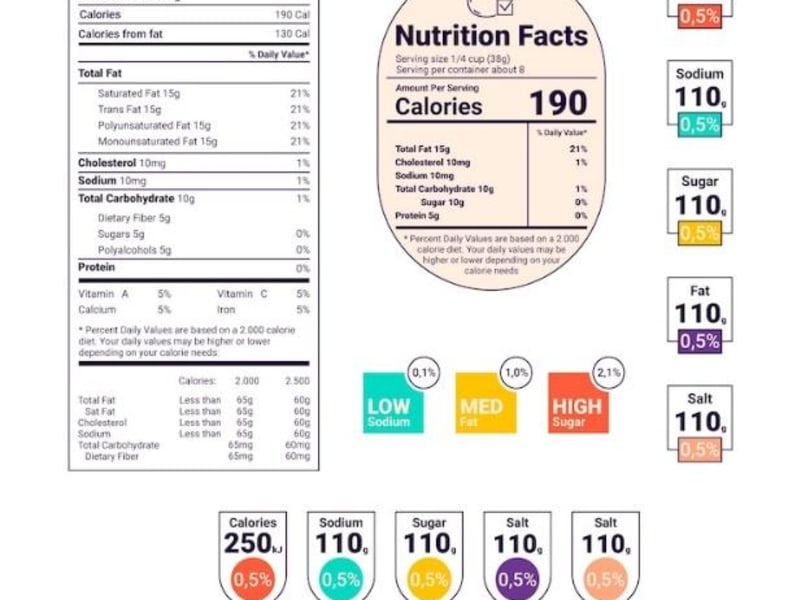
Nutrition labels are designed to inform — but food manufacturers often make them difficult to interpret. This expert guide walks through every section of a nutrition label, exposing the common tricks used to mislead consumers and showing you what to actually look for.
April 14, 2026
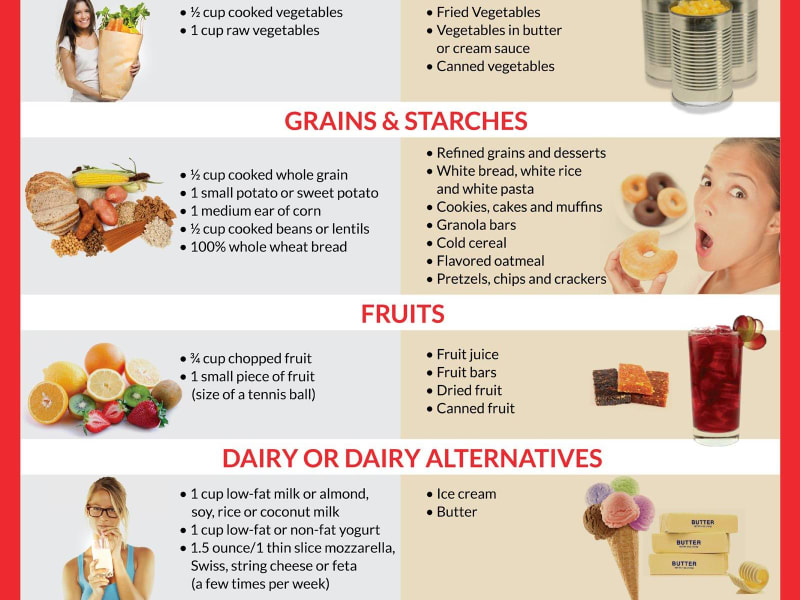
The carbohydrate debate is more nuanced than "eat less carbs." The quality of carbohydrates — their fibre content, processing level, and glycaemic impact — matters far more than their mere presence in your diet. Here's the science behind the distinction.
April 14, 2026
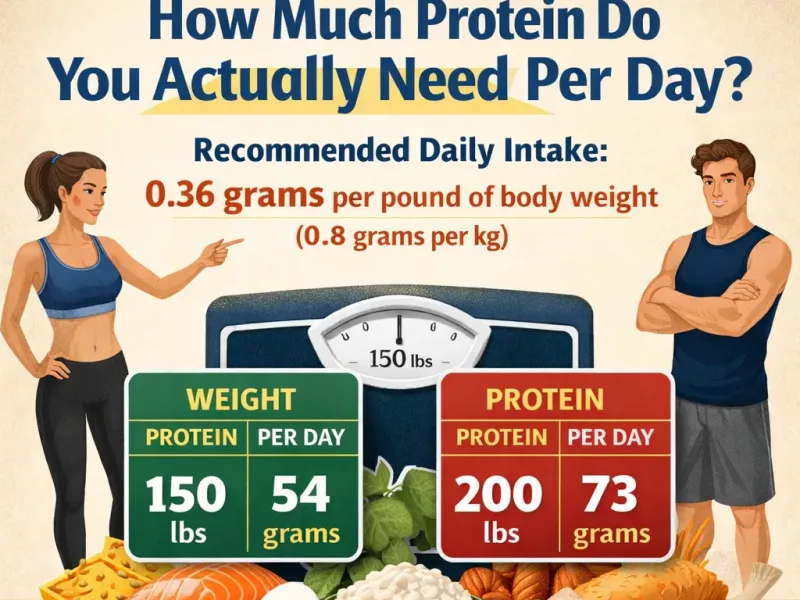
Most official protein recommendations were set to prevent deficiency — not to optimise health, muscle mass, or longevity. New research suggests the real requirements are significantly higher than the standard RDA, particularly for active adults and older populations.
April 13, 2026