

Free Helpline
We are here to assist you.
Health Advisor
+91-8877772277Available 7 days a week
10:00 AM – 6:00 PM to support you with urgent concerns and guide you toward the right care.

We are here to assist you.
Health Advisor
+91-8877772277Available 7 days a week
10:00 AM – 6:00 PM to support you with urgent concerns and guide you toward the right care.
Discover the powerful benefits of face serums for radiant, healthy skin. Learn about their concentrated ingredients, how they absorb deeply, and how to choose the right one for your skin concerns.

In the bustling world of skincare, where new products and trends emerge daily, face serums have carved out a significant niche. But what exactly is a face serum, and why has it become such a popular addition to many skincare routines? If you’re wondering whether a serum is the missing piece in your quest for healthy, glowing skin, you've come to the right place. We’ll explore the remarkable benefits of face serums and help you understand how they can transform your complexion. What is a Face Serum? Think of a face serum as a potent, concentrated elixir for your skin. Unlike thicker creams or lotions, serums boast a lightweight, fluid consistency. This thinner texture is key, allowing them to penetrate the skin’s surface more deeply and deliver a powerful punch of active ingredients right where they’re needed most. Dr. Tsippora Shainhouse, a board-certified dermatologist, explains that serums are “thin-viscosity topical products that contain concentrated amounts of active ingredients.” The idea is that these concentrated molecules work more effectively, often leading to more visible results in a shorter timeframe compared to other skincare products. Serums are typically applied after cleansing your skin but before you apply your moisturizer. This layering order is intentional. Cleansing prepares your skin to receive the potent ingredients in the serum, and the moisturizer that follows helps to seal in all the goodness, maximizing the serum’s benefits. Why Add a Serum to Your Skincare Routine? Many people ask, “Can’t I just use a moisturizer instead of a serum?” While moisturizers are essential for hydration, serums offer a different, more targeted approach. Research suggests that using both a serum and a moisturizer can provide comprehensive skin benefits. Serums are designed to address specific skin concerns with a higher concentration of active ingredients, acting as a targeted treatment, while moisturizers primarily focus on hydration and creating a protective barrier. Consider this scenario: You’re in your late 20s and notice a few fine lines starting to appear around your eyes, along with some occasional dullness. You’ve been using a basic cleanser and moisturizer, but you want something more. A serum formulated with ingredients like vitamin C or retinol could be the targeted solution you need to address these early signs of aging and boost your skin’s radiance. Key Benefits of Using Face Serums 1. Deep Absorption for Maximum Effectiveness One of the most significant advantages of serums is their ability to absorb quickly and deeply into the skin. Their lightweight formulation means they don’t sit heavily on the surface. This rapid absorption allows the active ingredients to reach deeper layers of the skin, where they can work more effectively to address concerns like dehydration, fine lines, or uneven skin tone. This makes them an ideal first step in a multi-step skincare routine. 2. Soothes Sensitive and Acne-Prone Skin If you have sensitive, oily, or acne-prone skin, you might think serums aren't for you. However, many serums are formulated to be gentle and beneficial for these skin types. Ingredients like niacinamide (a form of vitamin B3) are known for their soothing, anti-inflammatory properties. They can help calm redness and irritation without clogging pores. Dr. Melanie Palm, a board-certified dermatologist, notes that serums’ light preparations are often better for individuals with acne-prone or oily skin. 3. Minimizes the Appearance of Fine Lines and Wrinkles As we age, the natural production of collagen and elastin decreases, leading to the formation of fine lines and wrinkles. Certain face serums are packed with ingredients specifically chosen to combat these signs of aging. Retinol, a derivative of vitamin A, is a powerhouse ingredient known for its ability to boost collagen production and accelerate cell turnover, effectively reducing the appearance of wrinkles and smoothing the skin’s texture. Other beneficial ingredients include peptides, which signal the skin to produce more collagen. 4. Protects Against Environmental Damage Our skin is constantly exposed to environmental stressors like pollution and harmful UV rays from the sun. This exposure can lead to oxidative damage, premature aging, and hyperpigmentation. Serums rich in antioxidants can act as a shield, protecting your skin from this damage. Look for ingredients such as vitamin C, vitamin E, ferulic acid, green tea extract, resveratrol, and astaxanthin. These potent antioxidants neutralize free radicals, preventing them from damaging skin cells and contributing to aging. 5. Delivers More Visible Results Due to their high concentration of active ingredients, serums have the potential to deliver more noticeable results compared to products with lower concentrations. Whether you're targeting dark spots, dullness, or loss of firmness, a well-chosen serum can help you achieve your desired skin goals more efficiently. The concentrated formula means you’re applying a more potent dose of beneficial ingredients with each application. 6. Feels Light and Non-Greasy Unlike heavier creams that can feel occlusive or greasy, serums are designed to be feather-light. They absorb quickly, leaving your skin feeling refreshed and comfortable, not weighed down. This makes them suitable for daily use, even under makeup, and ideal for those who dislike the heavy feeling of traditional moisturizers. Types of Face Serums and Their Star Ingredients The benefits you experience from a serum largely depend on its key ingredients and the specific skin concerns it’s designed to address. Here’s a look at some common types: Hydrating Serums These serums are all about quenching thirsty skin. They typically contain humectants like hyaluronic acid, which draws moisture into the skin, and vitamin B5 (panthenol), which helps retain that moisture, leaving your skin feeling plump, smooth, and well-hydrated. A patient with dry, flaky skin might find a hydrating serum applied after cleansing and before their regular moisturizer makes a significant difference in their skin’s comfort and appearance. Antioxidant Serums As mentioned earlier, these serums are your skin’s defense against environmental damage. Vitamin C is a star ingredient here, known for its brightening properties and its ability to protect against free radicals. Vitamin E and ferulic acid often work synergistically with vitamin C to boost its stability and effectiveness. Anti-Aging Serums Targeting fine lines, wrinkles, and loss of firmness, these serums often contain ingredients like retinol, peptides, and growth factors. Retinol promotes cell turnover and collagen production, while peptides signal the skin to repair itself. These ingredients work to restore a more youthful and firm appearance to the skin. Brightening Serums If hyperpigmentation, dark spots, or an uneven skin tone are your concerns, brightening serums are the way to go. Ingredients like vitamin C, niacinamide, alpha arbutin, and certain acids (like glycolic or kojic acid) help to fade dark spots and even out skin tone, revealing a more luminous complexion. Acne-Fighting Serums For those struggling with breakouts, serums containing salicylic acid (a beta-hydroxy acid or BHA) are highly effective. Salicylic acid penetrates pores to unclog them, reduce inflammation, and prevent future acne. Niacinamide can also be beneficial for acne-prone skin due to its anti-inflammatory properties and its ability to help regulate oil production. How to Choose and Use a Face Serum Selecting the right serum depends on your individual skin type and concerns. Consider Your Skin Type and Concerns Before purchasing, identify your primary skin concerns. Are you battling dryness, acne, signs of aging, or dullness? Then, consider your skin type: oily, dry, combination, sensitive, or normal. Look for serums formulated with ingredients that target your specific needs. Patch Test New Products Before applying a new serum all over your face, it's wise to perform a patch test. Apply a small amount to an inconspicuous area, like behind your ear or on your inner forearm, and wait 24-48 hours to check for any adverse reactions like redness, itching, or irritation. This is especially important if you have sensitive skin. Application is Key Apply your serum to clean, slightly damp skin. Dispense a few drops (usually 2-3) onto your fingertips and gently pat or press the serum onto your face and neck. Avoid rubbing vigorously, as this can break down the active ingredients. Allow the serum to absorb completely before applying your moisturizer. Consistency is Crucial For best results, use your serum consistently, both morning and night, as directed by the product. It might take several weeks of regular use to start seeing significant improvements, so be patient and stick with it. When to Consult a Doctor While serums are generally safe for most people, it's advisable to consult a dermatologist if you experience severe irritation, persistent redness, or allergic reactions after using a serum. A dermatologist can help you identify the offending ingredient and recommend suitable alternatives or professional treatments. Frequently Asked Questions (FAQs) Q1: Can I use a serum every day? Yes, most face serums are designed for daily use, both in the morning and at night, after cleansing and before moisturizing. However, always follow the specific instructions on the product packaging. Q2: How long does it take to see results from a serum? Results can vary depending on the serum's ingredients and your skin's condition. Generally, you might start noticing subtle improvements within a few weeks of consistent use, with more significant changes visible
In summary, timely diagnosis, evidence-based treatment, and prevention-focused care improve long-term health outcomes.
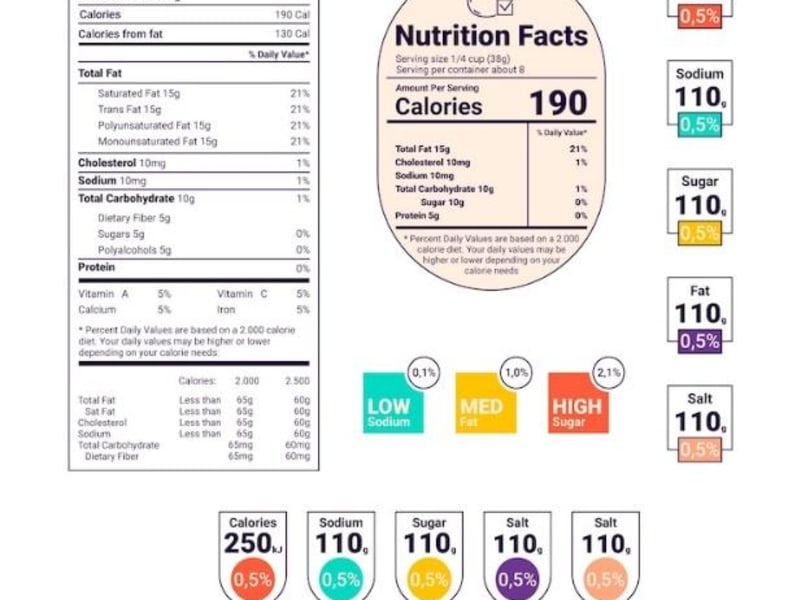
Nutrition labels are designed to inform — but food manufacturers often make them difficult to interpret. This expert guide walks through every section of a nutrition label, exposing the common tricks used to mislead consumers and showing you what to actually look for.
April 14, 2026
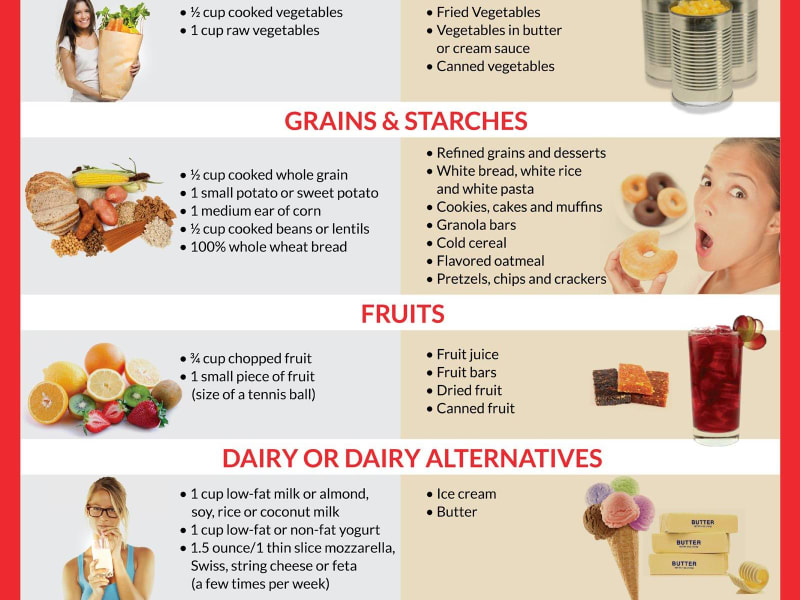
The carbohydrate debate is more nuanced than "eat less carbs." The quality of carbohydrates — their fibre content, processing level, and glycaemic impact — matters far more than their mere presence in your diet. Here's the science behind the distinction.
April 14, 2026

Most official protein recommendations were set to prevent deficiency — not to optimise health, muscle mass, or longevity. New research suggests the real requirements are significantly higher than the standard RDA, particularly for active adults and older populations.
April 13, 2026