

Free Helpline
We are here to assist you.
Health Advisor
+91-8877772277Available 7 days a week
10:00 AM – 6:00 PM to support you with urgent concerns and guide you toward the right care.

We are here to assist you.
Health Advisor
+91-8877772277Available 7 days a week
10:00 AM – 6:00 PM to support you with urgent concerns and guide you toward the right care.
Discover the natural benefits of aloe vera for your hair! Learn how to make and use simple aloe vera hair masks to combat dandruff, add moisture, and promote stronger, shinier locks.

Many of us dream of having strong, shiny, and healthy hair. While a good diet and proper hair care routine are fundamental, nature often offers simple yet powerful solutions. One such wonder ingredient is aloe vera. Known for its soothing properties on sunburned skin, aloe vera also holds significant potential for your hair and scalp. This humble succulent, found in sunny climates worldwide, contains a gel packed with beneficial compounds. Emerging research and countless anecdotal reports highlight its ability to nourish, strengthen, and revitalize your hair. If you're seeking a natural way to boost your hair's health, an aloe vera hair mask might be your answer. Why Choose an Aloe Vera Hair Mask? Hair masks are intensive treatments designed to deliver deep conditioning and repair. Unlike regular conditioners, they are left on for longer periods, allowing potent ingredients to penetrate the hair shaft and scalp more effectively. Aloe vera, with its unique composition, offers a multitude of benefits when used in a hair mask: Nourishing Vitamins and Minerals The fresh gel from aloe vera leaves is a treasure trove of essential nutrients. It contains vitamins C, E, B-12, and folic acid, along with choline. These elements play a vital role in nourishing the hair follicles, promoting healthy hair growth, and strengthening the hair shaft from root to tip. Think of it as a multivitamin for your hair! Soothing Scalp Care An irritated or inflamed scalp can hinder healthy hair growth. Aloe vera possesses natural anti-inflammatory properties that can help calm an itchy, red, or sensitive scalp. By reducing scalp inflammation, it creates a more conducive environment for your hair to thrive. Its moisturizing qualities also help combat dryness on the scalp. Combating Dandruff Dandruff, that common and often embarrassing scalp condition, can be addressed with aloe vera. Studies, including one from 1999, suggest aloe vera's effectiveness in relieving dandruff. The enzymes present in aloe vera can help break down dead skin cells on the scalp, while its anti-inflammatory action reduces the irritation associated with dandruff. Furthermore, some research indicates that the probiotics found in yogurt, often combined with aloe vera masks, may also contribute to dandruff relief. Moisture and Shine Dry, dull hair often lacks moisture. Aloe vera's gel-like consistency is inherently hydrating. It can help lock in moisture, making hair feel softer, smoother, and look more radiant. This is particularly beneficial for those with dry or damaged hair. Promoting Hair Strength The vitamins and minerals in aloe vera contribute to strengthening the hair shaft. This can lead to less breakage and improved overall hair resilience. When your hair is stronger, it's better equipped to handle styling, environmental stressors, and daily wear and tear. Who Can Benefit from Aloe Vera Hair Masks? While there isn't extensive research pinpointing aloe vera as exclusively for one hair type, its properties suggest benefits for many. Hair care professionals often recommend it for individuals experiencing: Dry and brittle hair Itchy or irritated scalp Dandruff issues Dull or lifeless hair General hair strengthening needs The best way to know if it works for you is to try it! Your hair will tell you if it loves this natural treatment. Simple Aloe Vera Hair Mask Recipes Making your own aloe vera hair mask is easy and cost-effective. Here are a couple of popular and effective recipes: 1. The Basic Hydrating Mask (Aloe Vera + Oil) This is a fantastic starting point, especially for dry or damaged hair. Ingredients: 2 tablespoons of fresh aloe vera gel (or good quality store-bought gel without additives) 1 tablespoon of carrier oil (coconut oil, olive oil, almond oil, or jojoba oil are excellent choices) Instructions: If using fresh aloe vera, carefully extract the gel from the leaf. Blend it until smooth. If using coconut oil and it's solid, gently melt it (you can use a microwave for a few seconds or place the container in warm water). In a small bowl, thoroughly mix the aloe vera gel and your chosen oil until you have a smooth, well-blended paste. Application: Protect your clothes with an old towel or shirt. Section your hair using clips. Using your fingertips, apply the mask starting from the mid-lengths of your hair and working your way down to the ends. Once the ends are covered, you can gently apply any remaining mask to your scalp, especially if you have dryness or itchiness. Leave the mask on for 30 minutes. For a more intensive conditioning treatment, you can leave it on for up to an hour. Rinsing: Rinse your hair thoroughly with lukewarm water. You might need to shampoo lightly to remove all residue, especially if you used a heavier oil. Follow with your regular conditioner if needed. 2. The Moisturizing & Smoothing Mask (Aloe Vera + Honey + Oil) Honey adds extra moisture-locking and smoothing benefits. Ingredients: 2 tablespoons of aloe vera gel 1 tablespoon of carrier oil 1 teaspoon of honey (preferably raw or organic) Instructions: Combine all ingredients in a bowl. Mix well until you achieve a smooth, uniform consistency. Apply to your hair following the same steps as the Basic Hydrating Mask (steps 4-6 above). Leave this mask on for 30 minutes. Rinse thoroughly and shampoo as needed. 3. The Dandruff-Fighting Mask (Aloe Vera + Yogurt) This mask leverages the potential of probiotics in yogurt along with aloe vera. Ingredients: 2 tablespoons of aloe vera gel 2 tablespoons of plain yogurt (full-fat is often recommended for moisture) Instructions: Mix the aloe vera gel and yogurt until well combined. Apply to your hair and scalp. This mask is particularly good for targeting the scalp. Leave on for 20 to 30 minutes. Rinse thoroughly and shampoo. Frequency: For best results with the dandruff mask, use it once a week. How to Apply Your Aloe Vera Hair Mask Proper application ensures you get the most out of your mask: Start with clean, damp hair: While some masks can be applied to dry hair, damp hair generally absorbs treatments better. You can wash and lightly towel-dry your hair before application. Protect your surroundings: Wear an old t-shirt or drape a towel around your shoulders. Section your hair: This makes application even and ensures no spot is missed. Use clips to hold sections in place. Apply evenly: Start from the mid-lengths and work towards the ends. These areas are often the driest and most damaged. Scalp application: If targeting scalp issues like dryness or dandruff, gently massage the mask into your scalp. If your scalp is normal and you're focusing on hydration, you might apply it more sparingly to the scalp or skip it altogether to avoid any potential greasiness. Leave it on: Follow the recommended time for each mask (usually 20-30 minutes, or up to an hour for deep conditioning). You can cover your hair with a shower cap to prevent dripping and trap heat, which can help the mask penetrate better. Rinse thoroughly: Use lukewarm water. Make sure all traces of the mask are gone. Gentle shampooing might be necessary. Follow up: Condition as usual if you feel your hair needs it, though many find the mask provides sufficient conditioning. When to Consult a Doctor or Dermatologist While aloe vera masks are generally safe for most people, it's important to know when to seek professional advice. Consult a doctor or dermatologist if: You experience a persistent or severe scalp rash, redness, or irritation after using the mask. Your hair loss or thinning is sudden or severe. You have a pre-existing scalp condition like eczema or psoriasis that worsens. You are unsure about the cause of your hair or scalp issues. A healthcare professional can provide an accurate diagnosis and recommend the most appropriate treatment plan for your specific needs. Frequently Asked Questions (FAQs) Q1: How often should I use an aloe vera hair mask? For most hair types, using an aloe vera hair mask once a week is a good starting point. If your hair is very dry or damaged, you might increase it to twice a week. For dandruff, stick to once a week as recommended. Q2: Can I use store-bought aloe vera gel? Yes, you can, but choose a high-quality gel that is as pure as possible, ideally 99% or 100% aloe vera gel, with minimal or no added alcohol, fragrance, or color. Fresh gel from the plant is often preferred if available. Q3: Will aloe vera make my hair greasy? Aloe vera itself is lightweight and hydrating, not greasy. However, if you mix it with heavy oils or don't rinse the mask out thoroughly, your hair might feel greasy. Adjust the type and amount of oil used, and ensure complete rinsing. Q4: Can I leave the aloe vera mask on overnight? While you can leave it on for up to an hour for extra conditioning, leaving it on overnight is generally not recommended unless specifically advised by a professional or if you're using a very diluted form. Thorough rinsing after the recommended time is usually sufficient. Q5: Does aloe vera help with hair growth?
In summary, timely diagnosis, evidence-based treatment, and prevention-focused care improve long-term health outcomes.
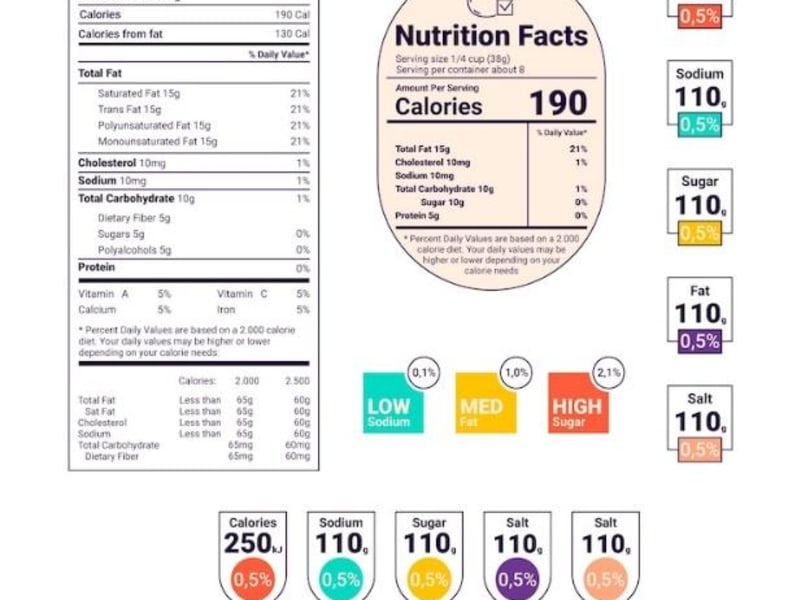
Nutrition labels are designed to inform — but food manufacturers often make them difficult to interpret. This expert guide walks through every section of a nutrition label, exposing the common tricks used to mislead consumers and showing you what to actually look for.
April 14, 2026
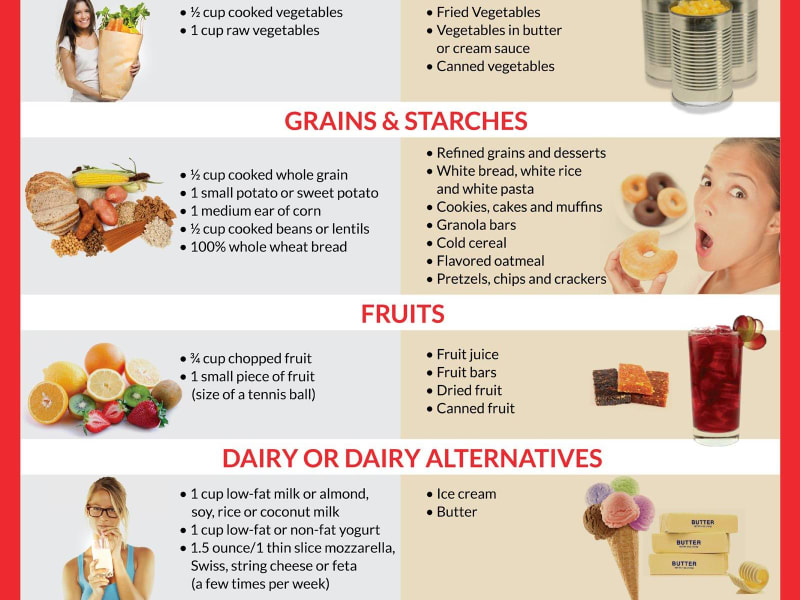
The carbohydrate debate is more nuanced than "eat less carbs." The quality of carbohydrates — their fibre content, processing level, and glycaemic impact — matters far more than their mere presence in your diet. Here's the science behind the distinction.
April 14, 2026
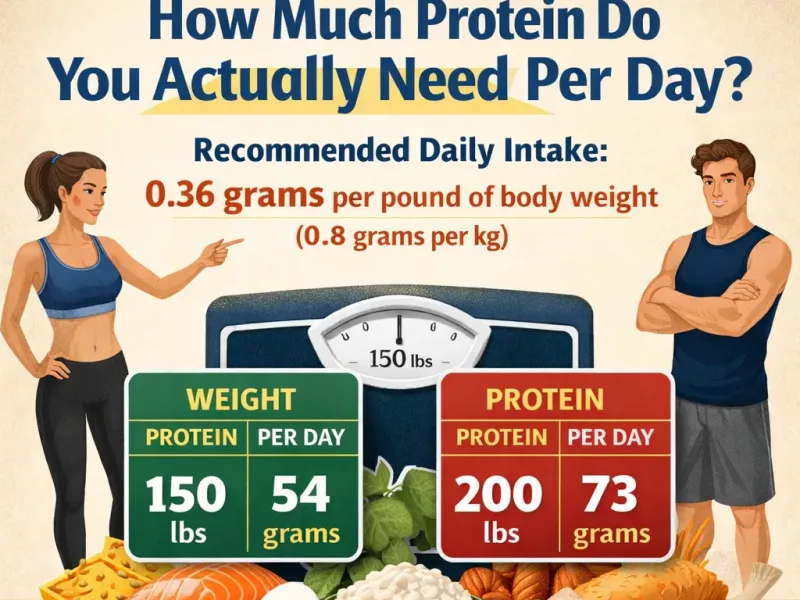
Most official protein recommendations were set to prevent deficiency — not to optimise health, muscle mass, or longevity. New research suggests the real requirements are significantly higher than the standard RDA, particularly for active adults and older populations.
April 13, 2026