

Free Helpline
We are here to assist you.
Health Advisor
+91-8877772277Available 7 days a week
10:00 AM – 6:00 PM to support you with urgent concerns and guide you toward the right care.

We are here to assist you.
Health Advisor
+91-8877772277Available 7 days a week
10:00 AM – 6:00 PM to support you with urgent concerns and guide you toward the right care.
Discover the natural benefits of thermal water for your skin. Learn how its mineral-rich composition hydrates, soothes, and supports a healthy skin barrier, and how to incorporate it into your daily routine.

Have you ever wondered about the magic behind that incredibly soft, hydrated feeling after a dip in a natural hot spring? It’s not just the warmth; it’s the thermal water itself. For centuries, people have flocked to natural springs, believing in their healing and beautifying properties. This ancient practice, known as balneotherapy, involves soaking in mineral-rich waters that are believed to benefit the skin. But can this natural wonder, bottled and brought to your bathroom shelf, truly deliver on its promise of healthier, more radiant skin? Let’s explore what thermal water is, how it works, and whether it’s the secret ingredient your skincare routine has been missing.
Thermal water is essentially water sourced from natural underground springs. What sets it apart is its unique mineral composition. As water travels through the earth’s crust, it picks up various minerals and trace elements. These can include calcium, magnesium, sodium, sulfur, selenium, and more. The specific blend of minerals varies greatly depending on the spring’s location and geological makeup. This rich mineral content is what gives thermal water its potential skin-enhancing properties.
While the idea of mineral-rich water benefiting the skin might seem like an old wives' tale, there's a growing body of scientific evidence to support it. Dr. Joshua Zeichner, a dermatologist, explains that thermal water can offer calming and anti-inflammatory effects. The minerals present can interact with your skin in several beneficial ways:
You don’t need to travel to a faraway spa to experience the benefits of thermal water. Many skincare brands now incorporate thermal water directly into their products, such as facial mists, cleansers, and moisturizers. These products aim to deliver a concentrated dose of these beneficial minerals directly to your skin. When you spritz a thermal water mist onto your face, you’re not just refreshing your skin; you’re providing it with a dose of natural minerals that can help hydrate, soothe, and potentially improve its overall health.
So, what can you realistically expect when you start using products formulated with thermal water?
One of the most immediate and noticeable benefits is improved skin hydration. Thermal water can help attract and retain moisture, leaving your skin feeling softer, more supple, and comfortable. If you often experience dryness or tightness, especially after cleansing, a thermal water spray can be a welcome addition to your routine.
For those battling redness, sensitivity, or inflammatory skin conditions like eczema, rosacea, or even just general irritation, thermal water can offer significant relief. Its anti-inflammatory properties work to calm the skin, reducing redness and soothing discomfort. Imagine finishing your day, and your skin feels tight and a bit red from the pollution. A quick spritz of thermal water mist can instantly bring a sense of relief and comfort.
A strong skin barrier is your skin’s first line of defense. The minerals in thermal water can help fortify this barrier, making your skin more resilient. This means it’s better equipped to handle environmental stressors and less prone to moisture loss.
While not a primary acne treatment, the anti-inflammatory and potential microbiome-balancing effects of thermal water can indirectly support clearer skin. By reducing inflammation and promoting a healthier skin environment, it may help existing blemishes heal faster and potentially prevent new ones from forming.
Some research hints that thermal water might help reverse some effects of UV damage due to its mineral content, particularly antioxidants like selenium. However, this is not a substitute for proper sun protection. Think of it as a complementary benefit rather than a primary solution for sun damage.
Adding thermal water to your daily skincare is simple. Here are a few ways:
When selecting a thermal water product, consider these points:
It’s important to have realistic expectations. While thermal water offers genuine benefits, it’s not a magic bullet for all skin problems. It works best as a complementary treatment, enhancing the effectiveness of your overall skincare regimen. It hydrates, soothes, and supports skin health, but it won’t drastically alter your skin’s structure or cure severe dermatological conditions on its own. Think of it as a powerful, natural boost to your existing routine.
While thermal water is generally safe and beneficial, it’s always wise to consult a dermatologist if you have persistent or severe skin issues. If you experience a severe reaction to a product, stop using it immediately and seek medical advice. For conditions like severe eczema, psoriasis, or rosacea, thermal water can be a helpful addition to your treatment plan, but it should not replace prescribed medications or therapies recommended by your doctor.
Yes, absolutely. Thermal water is non-comedogenic and can help balance the skin without adding excess oil. Its anti-inflammatory properties can also be beneficial for acne.
You can use it as often as you like throughout the day. Listen to your skin; if it feels dry or needs a refresh, a spritz is usually welcome.
No. Each natural spring has a unique mineral composition, meaning different thermal waters can offer slightly different benefits. Brands often source their water from specific renowned springs.
Thermal water primarily hydrates and soothes. It doesn’t contain the occlusive or emollient ingredients typically found in moisturizers that seal in hydration and provide deeper nourishment. It’s best used with your moisturizer.
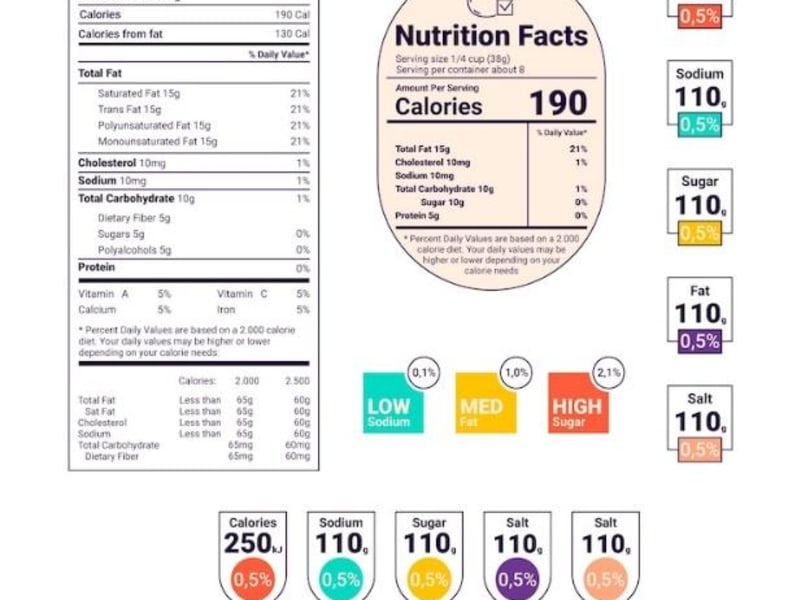
Nutrition labels are designed to inform — but food manufacturers often make them difficult to interpret. This expert guide walks through every section of a nutrition label, exposing the common tricks used to mislead consumers and showing you what to actually look for.
April 14, 2026

The carbohydrate debate is more nuanced than "eat less carbs." The quality of carbohydrates — their fibre content, processing level, and glycaemic impact — matters far more than their mere presence in your diet. Here's the science behind the distinction.
April 14, 2026

Most official protein recommendations were set to prevent deficiency — not to optimise health, muscle mass, or longevity. New research suggests the real requirements are significantly higher than the standard RDA, particularly for active adults and older populations.
April 13, 2026