

Free Helpline
We are here to assist you.
Health Advisor
+91-8877772277Available 7 days a week
10:00 AM – 6:00 PM to support you with urgent concerns and guide you toward the right care.

We are here to assist you.
Health Advisor
+91-8877772277Available 7 days a week
10:00 AM – 6:00 PM to support you with urgent concerns and guide you toward the right care.
Discover why you sweat during workouts, whether it's good or bad, and what it means for your health. Learn practical tips for managing sweat.

We’ve all been there – you’re in the middle of a great workout, feeling the burn, and suddenly, you’re drenched in sweat. It’s a common sight in gyms and on running tracks across India. But have you ever stopped to wonder why we sweat when we exercise? Is it a sign of a good workout? Does sweating more mean you’re burning more calories? Let’s dive into the science behind sweat and what it tells us about our bodies.
Sweating is your body’s built-in cooling system. When your body temperature rises, especially during physical activity, your brain signals special glands in your skin – the eccrine and apocrine sweat glands – to release sweat. This sweat then evaporates from your skin, taking heat with it and effectively cooling you down. Think of it as your body’s personal air conditioner working overtime to keep you from overheating.
There are two main types of sweat glands:
You might have noticed that some of your friends seem to be dripping wet after a workout, while others barely break a sweat. This is perfectly normal! Several factors influence how much you sweat:
The primary benefit of sweating during a workout is, as we’ve discussed, temperature regulation. Keeping your core body temperature within a safe range is vital for optimal performance and preventing heat-related illnesses. When you exercise, your muscles generate a lot of heat. Sweating allows your body to dissipate this heat effectively, preventing your internal temperature from rising to dangerous levels.
Scenario: Imagine you’re doing a brisk walk in the Mumbai heat. Within 15 minutes, you feel a sheen of sweat on your forehead and underarms. This is your body’s smart way of saying, “Okay, it’s getting warm, let’s cool down so we can keep moving!”
While sweating is a sign that your body is working to cool itself, it’s not a direct indicator of how many calories you’re burning. People often mistakenly believe that the more they sweat, the more fat they are losing. This is a common myth. Calorie expenditure is determined by the intensity, duration, and type of exercise, not solely by the amount of sweat produced.
For many, profuse sweating during exercise is simply a sign that they are working hard and their body is responding efficiently. However, if you find yourself sweating excessively, even during light activity or at rest, it might be worth exploring further. This could be a sign of a condition called hyperhidrosis.
Hyperhidrosis means sweating more than is needed for temperature regulation. It affects about 4.8% of people, though the actual number might be higher. There are two types:
If your excessive sweating is impacting your daily life, causing distress, or accompanied by other symptoms, it’s a good idea to consult a doctor.
On the flip side, if you hardly sweat during a workout, even when you feel hot and exert yourself, it could be a cause for concern. The most common reason for this is dehydration. If your body doesn't have enough fluids, it can't produce sweat effectively.
However, if you are well-hydrated and still not sweating, you might have a condition called hypohidrosis. This is the inability to sweat normally. Since sweating is your body’s primary way of cooling down, hypohidrosis can be dangerous. It can lead to overheating, heat exhaustion, or even life-threatening heat stroke.
When to Seek Medical Advice:
You should consult a doctor if:
Whether you sweat a lot or a little, here are some practical tips:
A: No, not necessarily. Sweating is primarily your body’s cooling mechanism. While intense exercise that makes you sweat also burns calories, the amount of sweat produced isn’t a direct measure of fat loss.
A: You shouldn't aim to stop sweating completely, as it's a vital bodily function for temperature regulation. If you have a condition like hyperhidrosis, treatments are available to manage excessive sweating, but complete cessation is neither possible nor desirable.
A: It can be a sign of dehydration or, in rarer cases, a condition called hypohidrosis, which prevents your body from cooling itself. If you're not sweating and feel overheated, it’s important to address it and consult a doctor if it persists.
A: A general guideline is to drink about 17-20 ounces (around 500-600 ml) of water 2-3 hours before exercise, and another 8 ounces (around 240 ml) 20-30 minutes before. During exercise, aim for 7-10 ounces (around 200-300 ml) every 10-20 minutes, adjusting based on your sweat rate and the conditions.
A: Hyperhidrosis is a medical condition characterized by excessive sweating that goes beyond what is needed to regulate body temperature. It can occur on specific parts of the body or be more generalized.
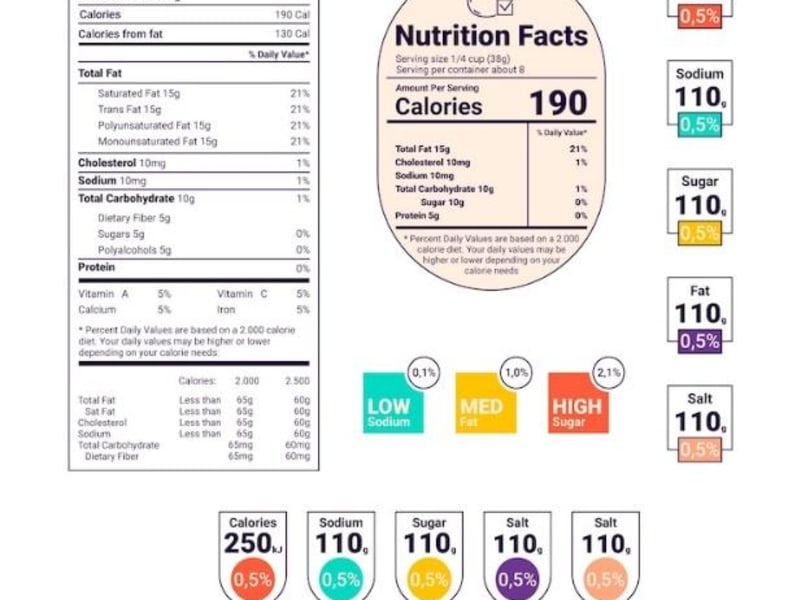
Nutrition labels are designed to inform — but food manufacturers often make them difficult to interpret. This expert guide walks through every section of a nutrition label, exposing the common tricks used to mislead consumers and showing you what to actually look for.
April 14, 2026
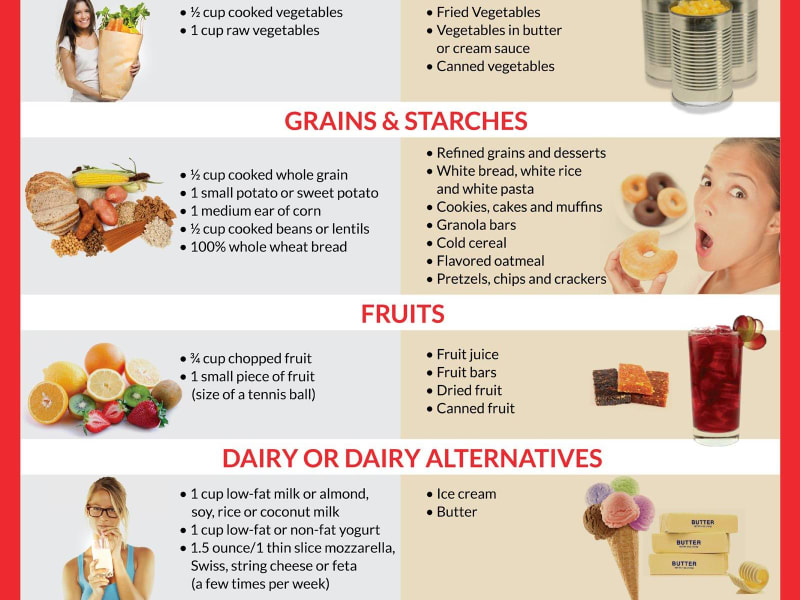
The carbohydrate debate is more nuanced than "eat less carbs." The quality of carbohydrates — their fibre content, processing level, and glycaemic impact — matters far more than their mere presence in your diet. Here's the science behind the distinction.
April 14, 2026
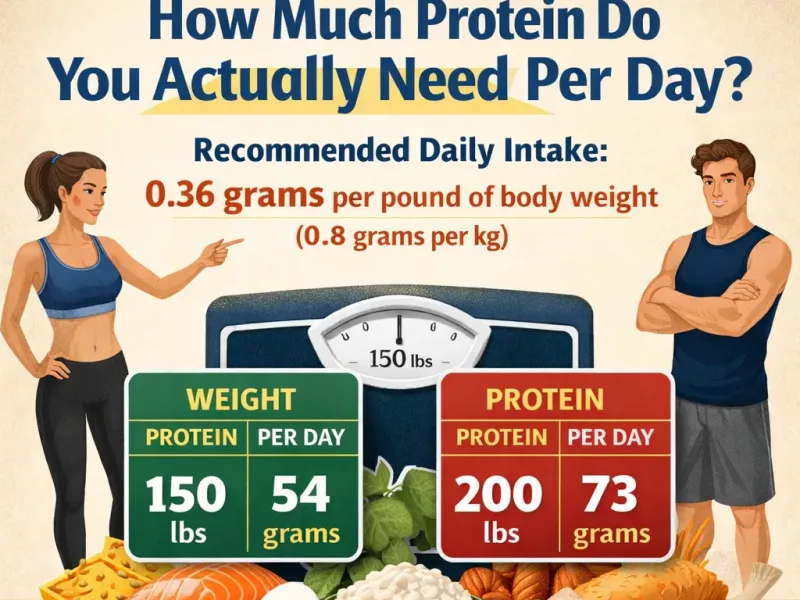
Most official protein recommendations were set to prevent deficiency — not to optimise health, muscle mass, or longevity. New research suggests the real requirements are significantly higher than the standard RDA, particularly for active adults and older populations.
April 13, 2026