

Free Helpline
We are here to assist you.
Health Advisor
+91-8877772277Available 7 days a week
10:00 AM – 6:00 PM to support you with urgent concerns and guide you toward the right care.

We are here to assist you.
Health Advisor
+91-8877772277Available 7 days a week
10:00 AM – 6:00 PM to support you with urgent concerns and guide you toward the right care.
Learn why sunburns happen, if they turn into tans, and how to soothe and prevent them. Understand your skin type and protect yourself from sun damage.

We’ve all been there. You’ve spent a little too long under the Indian sun, and now your skin is screaming red. The immediate thought might be, “Oh no, I’m burnt!” But then, a glimmer of hope: “Will this eventually turn into a nice tan?” It’s a common question, and the answer, like many things in biology, is a bit complex. Let’s explore what really happens when your skin encounters too much sun and whether that painful sunburn is a prelude to a golden glow or just a sign of damage.
First, let’s clarify what a tan actually is. It might look attractive, but a tan is fundamentally your skin’s way of protecting itself from further harm. When your skin is exposed to ultraviolet (UV) radiation from the sun, it perceives this as an injury. Your body’s natural defence mechanism kicks in: it starts producing more melanin. Melanin is the pigment that gives your skin, hair, and eyes their colour. The increased melanin production darkens the skin, creating what we call a tan. So, in essence, a tan is a visible sign that your skin has been damaged by the sun.
When you get a sunburn, it’s not just a cosmetic issue; it’s an inflammatory response. The UV rays damage the cells in the upper layers of your skin. This cellular damage triggers your immune system to send more blood to the affected area, which is why sunburns appear red and feel warm to the touch. Chemicals released by these damaged cells also send pain signals to your brain, often making themselves known anywhere from 6 to 48 hours after sun exposure.
This is the million-dollar question, and the answer largely depends on your individual skin type. Experts classify skin types based on how they react to sun exposure using the Fitzpatrick Skin Type (FST) scale. This scale considers factors like your natural skin colour, hair colour, eye colour, and your tendency to burn or tan. Let’s break it down:
If you have a skin type that is capable of tanning (generally Types III through VI), your body might increase melanin production to protect the damaged skin, and this can lead to a tan developing within 48 hours of sun exposure. However, if your skin type is predisposed to burning rather than tanning (Types I and II), that painful sunburn might just fade away without ever developing into a tan. It’s not about willpower; it’s about your skin’s genetic predisposition.
Regardless of whether your sunburn will eventually turn into a tan, the damage has been done. However, you can take steps to soothe your skin, reduce discomfort, and minimise the risk of complications. Here’s what you can do:
While most sunburns can be managed at home, some severe cases require professional medical attention. The Skin Cancer Foundation recommends consulting a doctor if your sunburn:
Severe sunburns can lead to dehydration, heatstroke, or secondary infections, so don't hesitate to seek medical advice if you are concerned.
The best approach to managing sunburn is to prevent it altogether. Protecting your skin from excessive UV exposure can significantly reduce your risk of sunburn, premature ageing, and skin cancer.
It’s important to remember that any tan is a sign of skin damage. While a tan might be desired by some, the risks associated with UV exposure – including premature skin ageing (wrinkles, age spots) and an increased risk of skin cancer – are significant. Health professionals generally advise against intentional tanning, whether from the sun or tanning beds.
If you’re looking for a tanned appearance, consider safer alternatives like sunless tanning lotions or spray tans. These products can give you a temporary golden glow without the harmful effects of UV radiation. A spray tan typically lasts anywhere from 5 to 10 days, offering a much safer way to achieve a tanned look.
Imagine you’re visiting your ancestral village in Kerala during a family reunion. You decide to help your grandmother in her garden without much thought to sun protection, enjoying the fresh air. A few hours later, your shoulders and arms are visibly red and starting to sting. You’re worried about how this will affect your skin for the rest of the trip and if it will eventually turn into a tan or just peel off unpleasantly.
While some mild sunburns might peel minimally, significant peeling is a common part of the healing process as your body sheds damaged skin cells. To minimise peeling, keep the skin well-moisturised and avoid picking at it.
A mild sunburn typically starts to fade within 3 to 5 days. More severe sunburns can take a week or two to heal completely, and the skin may remain sensitive for some time afterwards.
It’s best to avoid sun exposure completely until your sunburn has healed. If you must go outside, ensure you are heavily protected with sunscreen, clothing, and shade.
No, tanning beds emit UV radiation and are considered by many health experts to be just as dangerous, if not more so, than tanning in the sun. They significantly increase the risk of skin cancer.
Repeated sunburns significantly increase your risk of developing skin cancer, including melanoma, the deadliest form. They also accelerate skin ageing, leading to wrinkles, leathery skin, and sunspots.
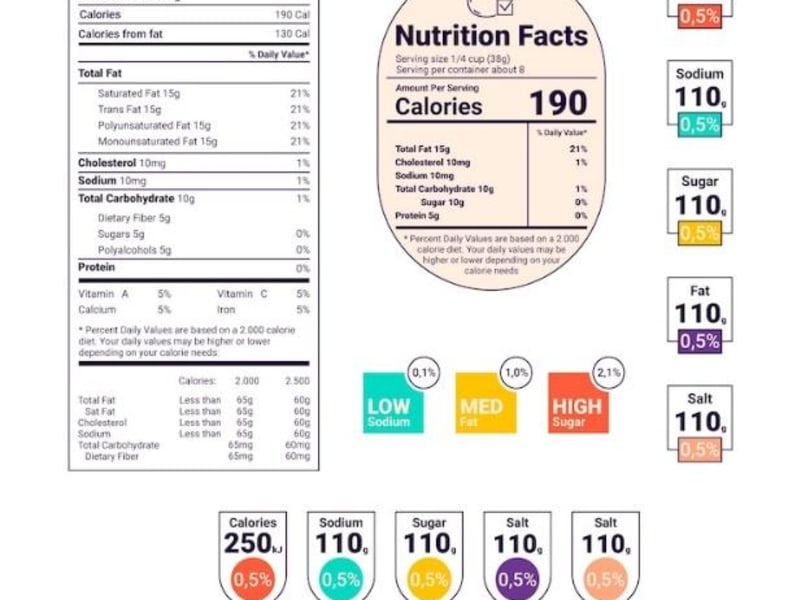
Nutrition labels are designed to inform — but food manufacturers often make them difficult to interpret. This expert guide walks through every section of a nutrition label, exposing the common tricks used to mislead consumers and showing you what to actually look for.
April 14, 2026
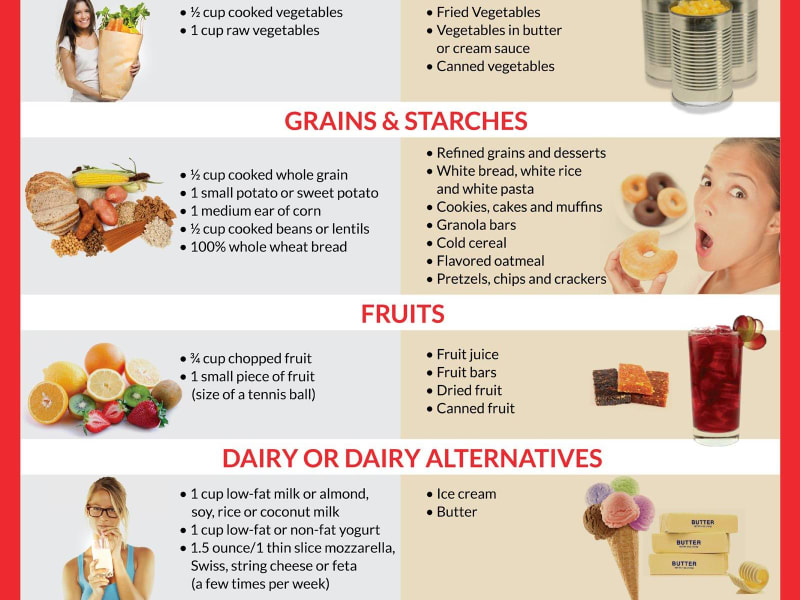
The carbohydrate debate is more nuanced than "eat less carbs." The quality of carbohydrates — their fibre content, processing level, and glycaemic impact — matters far more than their mere presence in your diet. Here's the science behind the distinction.
April 14, 2026
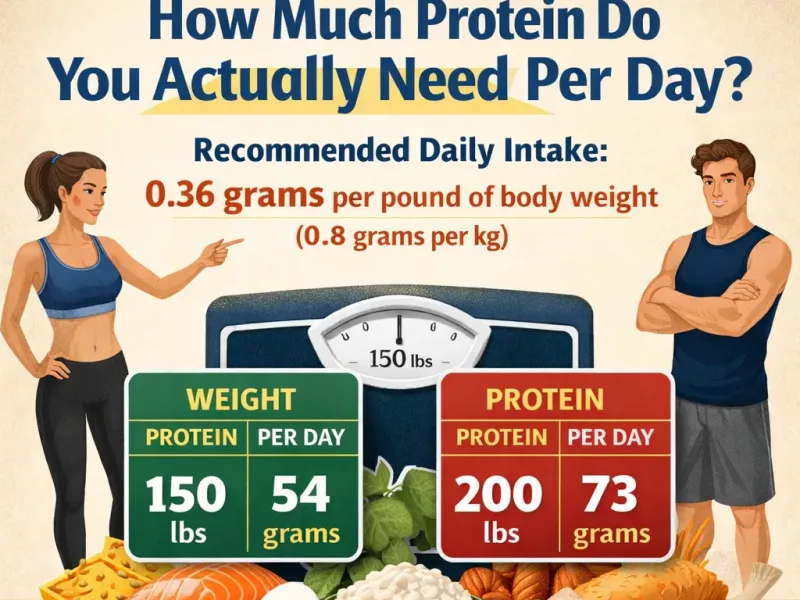
Most official protein recommendations were set to prevent deficiency — not to optimise health, muscle mass, or longevity. New research suggests the real requirements are significantly higher than the standard RDA, particularly for active adults and older populations.
April 13, 2026