

Free Helpline
We are here to assist you.
Health Advisor
+91-8877772277Available 7 days a week
10:00 AM – 6:00 PM to support you with urgent concerns and guide you toward the right care.

We are here to assist you.
Health Advisor
+91-8877772277Available 7 days a week
10:00 AM – 6:00 PM to support you with urgent concerns and guide you toward the right care.
Discover why harsh sugar scrubs can damage your facial skin and explore safer, effective alternatives for achieving a smooth, radiant complexion.

We all want that glowing, smooth skin. Exfoliation is often the secret weapon in achieving it. It helps remove dead skin cells, unclogs pores, and can even reduce the appearance of fine lines and acne. Think of it as a deep clean for your skin, allowing your serums and moisturisers to work their magic more effectively. But here’s a crucial point: not all exfoliation methods are created equal, especially when it comes to the delicate skin on your face. While sugar scrubs might sound like a sweet deal for soft skin, they could be doing more harm than good to your facial complexion.
The basic idea behind a sugar scrub is simple: massage rough sugar crystals into your skin to slough away dead cells and debris. It sounds effective, right? However, the very texture that makes sugar scrubs work on the rougher skin of your body – think elbows, knees, and heels – makes them far too abrasive for your face. These large, jagged crystals can create tiny tears in your facial skin, leading to irritation, redness, and even micro-damage. This is true whether you’re using a store-bought scrub or a homemade concoction, even with finer white or brown sugar granules. For your face, it’s best to avoid sugar crystals altogether.
When you use a sugar scrub on your face, you might encounter several unwelcome side effects:
Rina, a 28-year-old homemaker from Delhi, loved the idea of a DIY facial scrub. She mixed sugar with honey and olive oil, excitedly applying it to her face. Within a day, her skin felt tight, red, and a few small pimples popped up along her jawline. She realised her 'natural' scrub was actually irritating her sensitive facial skin.
The good news is that effective and gentler exfoliation methods exist for your face. The key is to choose ingredients or tools that dissolve dead skin cells or have smooth, rounded particles, rather than sharp crystals.
These ingredients work by dissolving the bonds that hold dead skin cells together, allowing them to shed naturally. They offer a smoother exfoliation experience compared to physical scrubs.
If you prefer a physical exfoliation method, opt for tools with soft textures and use them gently.
No matter which method you choose, remember these important tips:
While sugar scrubs are a no-go for your face, they can be perfectly fine for other parts of your body. They are particularly useful for tackling dry, rough patches on your elbows, knees, and heels. You can also use them on your hands to combat dryness. Just remember to avoid using them on any areas with existing irritation, wounds, or rashes, as they could worsen these conditions.
If you experience persistent redness, irritation, or breakouts after using any exfoliant, it’s a good idea to consult a dermatologist. You should also seek professional advice if you have sensitive skin, eczema, or any other inflammatory skin condition before trying new exfoliation methods. A dermatologist can help you identify the best and safest exfoliation routine for your unique skin type.
Q1: Can I use sugar scrub on my face daily?
No, daily use of sugar scrubs on the face is strongly discouraged due to their abrasive nature. Even gentler exfoliants should not be used more than 1-2 times per week.
Q2: What if I have sensitive skin?
If you have sensitive skin, it's best to avoid physical scrubs altogether. Opt for very mild chemical exfoliants like lactic acid or consult a dermatologist for personalised recommendations.
Q3: Can homemade sugar scrubs be safe for the face?
Unfortunately, even homemade sugar scrubs, regardless of sugar fineness, can be too harsh for facial skin and cause micro-tears and irritation.
Q4: What's the best alternative to sugar scrubs for the face?
Gentle chemical exfoliants like AHAs (glycolic, lactic acid) or BHAs (salicylic acid), or using a soft washcloth with your cleanser are excellent, safer alternatives.
Access reliable home doctor visits in Pune. Get expert medical care, diagnosis, and treatment without leaving your home.
April 26, 2026
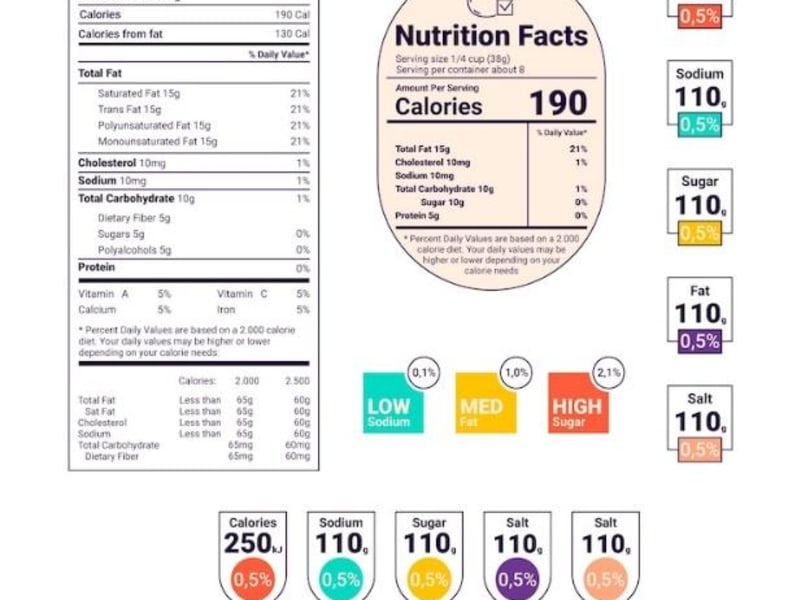
Nutrition labels are designed to inform — but food manufacturers often make them difficult to interpret. This expert guide walks through every section of a nutrition label, exposing the common tricks used to mislead consumers and showing you what to actually look for.
April 14, 2026
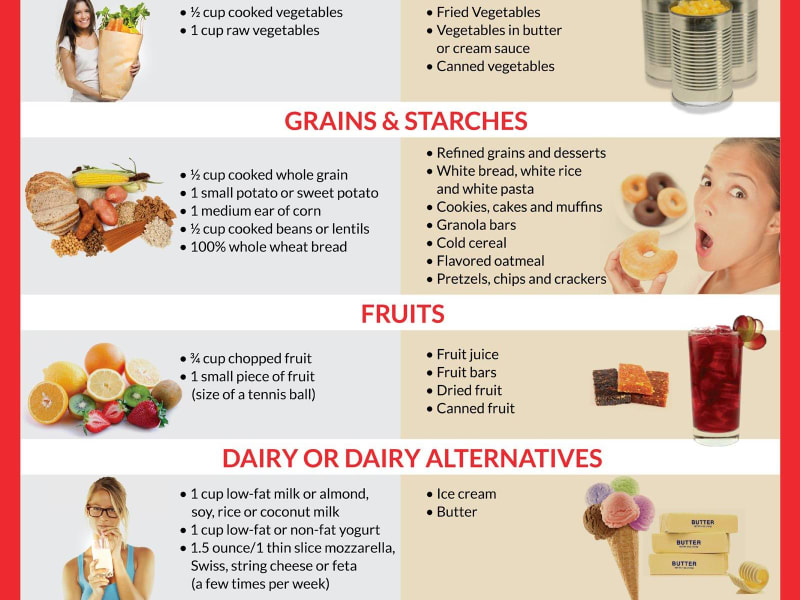
The carbohydrate debate is more nuanced than "eat less carbs." The quality of carbohydrates — their fibre content, processing level, and glycaemic impact — matters far more than their mere presence in your diet. Here's the science behind the distinction.
April 14, 2026