

Free Helpline
We are here to assist you.
Health Advisor
+91-8877772277Available 7 days a week
10:00 AM – 6:00 PM to support you with urgent concerns and guide you toward the right care.

We are here to assist you.
Health Advisor
+91-8877772277Available 7 days a week
10:00 AM – 6:00 PM to support you with urgent concerns and guide you toward the right care.
Discover the best hydration apps to effortlessly track your daily water intake and unlock the numerous health benefits of staying properly hydrated. Simple reminders, personalized goals, and engaging features make drinking water a habit.

Water is essential for life. It keeps our bodies functioning smoothly, regulates temperature, and helps prevent headaches. Yet, in our busy lives, we often forget to drink enough. Staying properly hydrated isn't just about quenching thirst; it has profound health benefits. But how much water do you actually need? The old advice of 'eight glasses a day' is a myth. Your individual needs depend on many factors: your diet, how active you are, your metabolism, and even your body weight. Some days you might need more, other days less. It can be challenging to keep track of your daily intake, especially when you're juggling work, family, and other commitments. You might feel thirsty, but dismiss it because you're in the middle of an important task. Over time, this can lead to dehydration, which shows up as fatigue, dry mouth, and even headaches that just won't go away. Fortunately, technology can help! We've explored some of the best hydration apps available to help you monitor your water consumption and ensure you're meeting your body's needs. Why Tracking Your Water Intake Matters You might wonder, 'Why do I need an app to tell me to drink water?' The truth is, thirst is just one signal your body sends. When you're engrossed in your daily tasks, you can easily ignore it. Relying solely on thirst can lead to chronic mild dehydration, which can impact your energy levels, mood, and cognitive function. Apps provide a structured way to ensure you're consistently getting enough fluids. They act as a friendly reminder, a motivator, and a tool to understand your personal hydration patterns. Benefits of Good Hydration: Regulates Body Temperature: Water helps maintain your internal temperature, especially important during physical activity or hot weather. Prevents Headaches: Dehydration is a common trigger for tension headaches. Aids Digestion: Adequate water intake helps break down food and move it through your digestive system smoothly. Boosts Energy Levels: Even mild dehydration can make you feel tired and sluggish. Improves Skin Health: Proper hydration contributes to a more supple and clear complexion. Supports Kidney Function: Water helps your kidneys filter waste products from your blood. Choosing the Right Hydration App for You With so many options available, picking the best app can seem daunting. We've considered several key factors to bring you a curated list: User Reviews and Ratings: Apps with high ratings (like 4.5 stars and above on both Android and iOS) generally offer a good user experience. Usability: We looked for apps that are easy to download, set up, and use daily. A complicated interface will likely lead to you abandoning it. Features: Does it offer smart reminders? Can it track different types of beverages? Does it provide historical data and insights? Personalization: The best apps allow you to set custom goals based on your individual needs, not just a generic recommendation. Compatibility: Does it sync with your smartwatch or other health apps? Our Top Picks for Hydration Apps Here are some of the best hydration apps that can help you make drinking water a habit: 1. Waterllama: Simple and Engaging Best for: Simple use, visually appealing interface. Waterllama stands out with its beautiful design, featuring bright colors and cute animal characters. It makes logging your liquid intake feel less like a chore and more like a game. The app is incredibly simple to use, and its widgets for iPhone and Apple Watch are a fantastic addition. You can set reminders that are smart – they only ping you if you forget to log your intake, avoiding unnecessary interruptions. It's perfect for those who appreciate a delightful user experience. Pros: Beautiful design, simple interface, compatible with Apple Watch. Cons: Limited functionality compared to some other apps, no history or statistics, no compatibility with Android (as of our last check). Price: Free with in-app purchases. 2. My Water: Track Your Intake Easily Best for: Tracking multiple types of beverages. This app is a solid choice if you drink more than just plain water throughout the day. My Water allows you to log various beverages like tea, coffee, juice, and even milk, and it helps you understand how each contributes to your overall hydration goals. It offers a straightforward interface and customizable reminders to keep you on track. The app provides basic statistics to view your progress over time. Pros: Tracks various beverages, simple to use, customizable reminders. Cons: Interface might feel a bit basic to some users, advanced features require subscription. Price: Free with in-app purchases | Monthly subscription: $3.99; Yearly subscription: $27.99 (often with a first-year discount). 3. HydroCoach: Personalized Hydration Goals Best for: Personalized goals and detailed tracking. HydroCoach is designed for users who want a more detailed and personalized approach to hydration. It calculates your recommended daily intake based on factors like weight, activity level, and climate. The app offers a clean interface and provides comprehensive statistics and graphs to visualize your hydration habits. It's a great tool for understanding how your lifestyle impacts your fluid needs. Pros: Personalized hydration goals, detailed statistics, good for active individuals. Cons: Subscription can be pricier for advanced features, interface could be more visually engaging. Price: Free with in-app purchases | Monthly subscription: from $4.99-$9.99; Yearly subscription: $59.99. 4. Plant Nanny Water Tracker: Gamified Hydration Best for: Fun and motivational tracking with a unique concept. Plant Nanny is a unique and charming app that turns hydration into a game. You grow and care for virtual plants by drinking water. Each time you log your intake, your plant gets watered and thrives. If you forget to drink, your plant might wilt! This gamified approach is incredibly motivating for many users, especially those who need a little extra encouragement. It's visually delightful and makes staying hydrated fun. Pros: Highly motivating and fun, unique concept, good for all ages. Cons: Core functionality is basic, advanced features require a subscription. Price: Free with in-app purchases | Monthly subscription: $1.99; Yearly subscription: from $7.49-$14.99. 5. Daily Water Tracker Reminder: Straightforward and Effective Best for: No-fuss tracking with ad-free option. This app offers a straightforward and no-frills approach to tracking your water intake. It provides simple reminders and allows you to log your drinks quickly. If you're looking for an app that does the job without unnecessary complexity, this is a great option. You can remove ads with a one-time purchase, making the experience smoother. Pros: Simple and effective, easy to use, option to remove ads. Cons: Lacks advanced features and detailed analytics found in other apps. Price: Free with in-app purchases | Without ads: $1.99. Real-Life Scenario: The Busy Professional Meet Priya, a marketing manager who often gets so caught up in meetings and deadlines that she forgets to drink water until her head starts pounding by late afternoon. She tried setting phone alarms, but they became background noise. After downloading Waterllama, she loves the playful reminders and the visual progress of her virtual plant. She finds herself reaching for her water bottle more often, simply because the app makes it a mindful, engaging part of her day. When to Consult a Doctor About Hydration While these apps are excellent tools, they are not substitutes for professional medical advice. You should consult a doctor if you experience any of the following: Persistent dry mouth and extreme thirst that isn't relieved by drinking. Infrequent urination or dark-colored urine over an extended period. Symptoms of severe dehydration such as dizziness, confusion, rapid heartbeat, or fainting. Changes in hydration needs due to medical conditions like kidney disease, heart failure, or diabetes. Concerns about your child's hydration , especially if they are unwell or have been vomiting or had diarrhea. A doctor can help determine your specific hydration needs based on your health status and provide guidance on managing fluid intake, especially if you have underlying health conditions. Frequently Asked Questions (FAQ) Q1: How much water do I really need per day? A1: There's no one-size-fits-all answer. General guidelines suggest around 2.7 liters (about 11.5 cups) for women and 3.7 liters (about 15.5 cups) for men daily, but this includes water from all food and beverages. Your individual needs depend on activity level, climate, diet, and health status. Apps can help you personalize this goal. Q2: Can I drink too much water? A2: Yes, it's possible, though rare for most people. Drinking excessively large amounts of water in a short period can lead to a dangerous condition called hyponatremia, where sodium levels in your blood become diluted. This is more common in endurance athletes or individuals with certain medical conditions. Stick to your personalized goals and listen to your body. Q3: Do hydration apps really work? A3: For most users, yes! They work by providing consistent reminders, making tracking easy, and offering motivation. The key is consistency in logging your intake and responding to the reminders. They help build the habit of regular fluid consumption. Q4: What about other beverages, do they count? A4: Yes, other beverages like herbal teas, milk, and even fruits and vegetables with high water content
In summary, timely diagnosis, evidence-based treatment, and prevention-focused care improve long-term health outcomes.
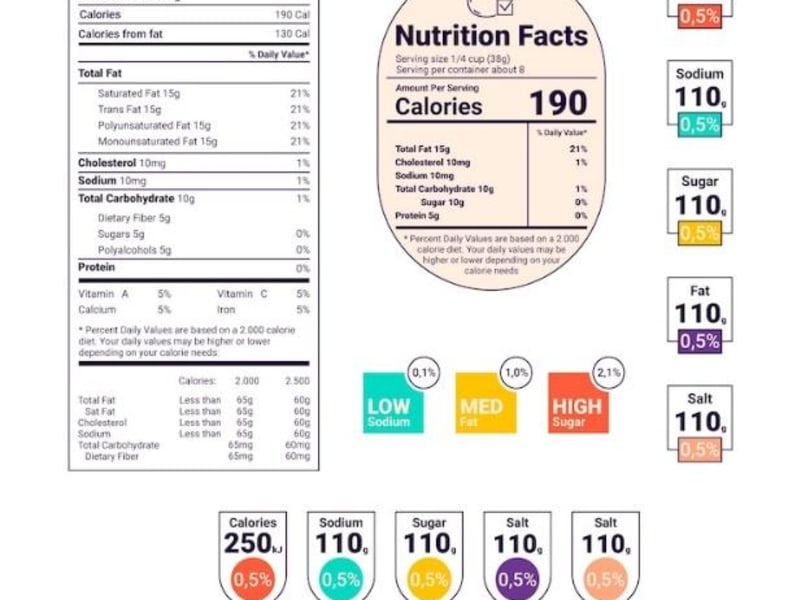
Nutrition labels are designed to inform — but food manufacturers often make them difficult to interpret. This expert guide walks through every section of a nutrition label, exposing the common tricks used to mislead consumers and showing you what to actually look for.
April 14, 2026
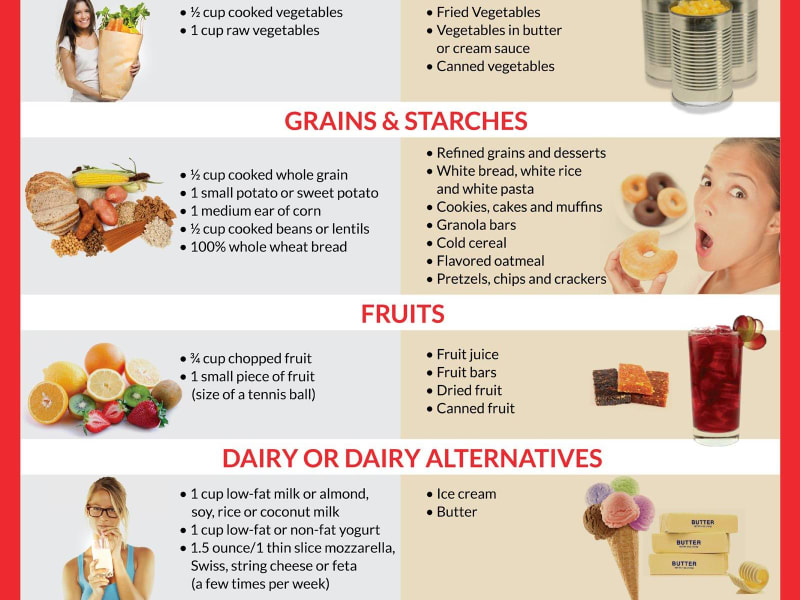
The carbohydrate debate is more nuanced than "eat less carbs." The quality of carbohydrates — their fibre content, processing level, and glycaemic impact — matters far more than their mere presence in your diet. Here's the science behind the distinction.
April 14, 2026
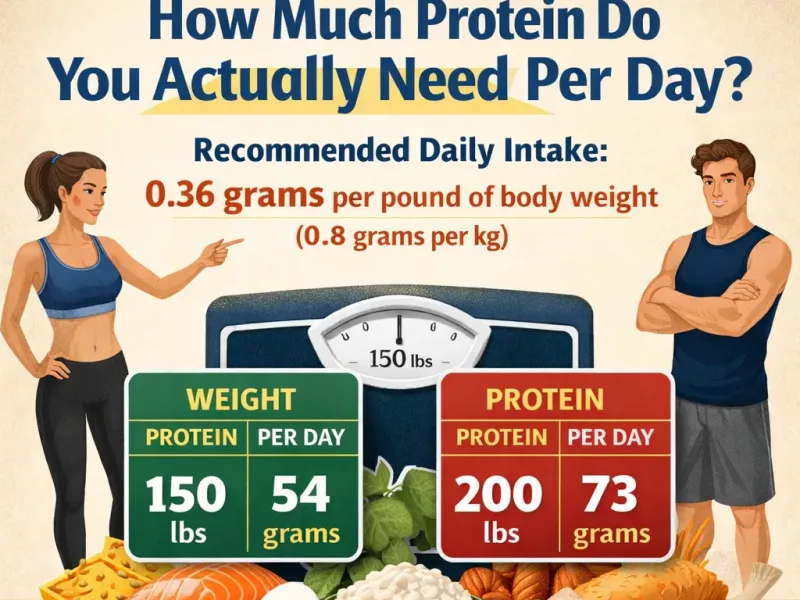
Most official protein recommendations were set to prevent deficiency — not to optimise health, muscle mass, or longevity. New research suggests the real requirements are significantly higher than the standard RDA, particularly for active adults and older populations.
April 13, 2026