

Free Helpline
We are here to assist you.
Health Advisor
+91-8877772277Available 7 days a week
10:00 AM – 6:00 PM to support you with urgent concerns and guide you toward the right care.

We are here to assist you.
Health Advisor
+91-8877772277Available 7 days a week
10:00 AM – 6:00 PM to support you with urgent concerns and guide you toward the right care.
Discover why alcohol causes a sore throat and hoarseness. Learn effective home remedies for relief and practical tips to prevent this common hangover symptom.

It's a familiar, unwelcome morning-after feeling: a scratchy, sore throat and a voice that sounds like you've been shouting for hours. You know you had fun last night, but this discomfort is a harsh reminder. You're not alone; many people experience a sore throat and hoarseness after a night of drinking. But why does this happen, and more importantly, what can you do about it? This article explores the reasons behind your post-drinking sore throat and offers practical, actionable advice for relief and prevention, keeping in mind what works best for you here in India. Understanding Why Alcohol Irritates Your Throat Alcohol is a complex substance, and its effects go beyond just making you feel relaxed or giddy. When it comes to your throat, alcohol plays a dual role in causing discomfort: 1. Dehydration: The Primary Culprit Alcohol is a diuretic. This means it prompts your body to release more water through increased urination. While this might seem like a minor detail, it can lead to significant dehydration. Your mouth and throat lining rely on moisture to stay lubricated and comfortable. When alcohol depletes your body's water reserves, this lining dries out. This dryness makes the tissues in your throat more vulnerable to irritation and inflammation. 2. Irritation from Alcohol Itself The alcohol content in beverages can directly irritate the sensitive tissues of your throat and vocal cords. This is especially true if you're consuming drinks with a high alcohol percentage or if you're drinking them quickly. 3. Increased Vocal Strain Think about your last social gathering. Chances are, there was music, conversation, and perhaps even some enthusiastic cheering. When you're drinking, you might find yourself speaking louder or talking for longer periods than usual. This increased vocal strain, combined with the dryness caused by alcohol, puts extra stress on your vocal cords, leading to hoarseness and a sore throat. 4. Acidity and Other Ingredients Many alcoholic beverages, like wine, cocktails, and even some beers, contain acids. These acids can further irritate an already sensitive throat. Additionally, mixers, carbonation, and other ingredients in your drinks can contribute to the overall discomfort. Relief: Soothing Your Sore Throat After Drinking Waking up with a sore throat is no fun, but thankfully, there are several effective ways to find relief. Many of these remedies are simple and can be done right at home: 1. Hydration is Key Rehydrating your body is the most critical step. Focus on drinking plenty of water throughout the day. This helps restore moisture to your throat and combats the dehydrating effects of alcohol. You can also try: Electrolyte-rich drinks: Since alcohol can disrupt your body's electrolyte balance, consider drinks that replenish these essential minerals. Low-sugar sports drinks are an option, but even simple soup broth can be beneficial. Warm, soothing beverages: Opt for caffeine-free herbal teas like chamomile, ginger, or peppermint. These can be incredibly soothing. Adding a teaspoon of honey can further help coat and calm your throat. 2. Saltwater Gargle: A Time-Tested Remedy This classic remedy is surprisingly effective. The salt helps draw out excess fluid from inflamed tissues, reducing swelling and clearing mucus. How to make a saltwater rinse: Mix about a quarter to half a teaspoon of salt into 8 ounces (about 240 ml) of warm water. Take a sip and gargle the solution in the back of your throat for about 30 seconds. Spit it out and repeat until the water is finished. You can do this several times a day as needed. 3. Honey: Nature's Soothing Agent For generations, honey has been a go-to remedy for sore throats and coughs. Its thick, viscous texture coats the throat, providing a protective layer and easing irritation. Studies have even shown its effectiveness in post-operative throat pain. How to use honey: Stir a teaspoon or two of honey into a warm (not hot) cup of herbal tea or warm water. Sip it slowly. Important note: Do not give honey to children under one year of age due to the risk of botulism. 4. Inhale Steam Moist air can help soothe irritated throat tissues. You can achieve this by: Taking a warm shower or bath. Using a humidifier in your room, especially while you sleep. A simple steam inhalation: Fill a sink or bowl with hot water, lean over it (carefully to avoid burns), and drape a towel over your head to create a steam tent. Breathe deeply through your mouth for 5-10 minutes. 5. Throat Lozenges and Hard Candies Sucking on lozenges, cough drops, or even plain hard candies can stimulate saliva production. Saliva is your body's natural lubricant, and increased production helps keep your throat moist and comfortable. Some medicated lozenges contain ingredients like menthol or hexylresorcinol, which can provide temporary numbing or antiseptic effects. 6. Rest Your Voice and Your Body Just like any other part of your body that's inflamed, your throat and vocal cords need rest to heal. Avoid talking unnecessarily, and definitely avoid shouting or whispering, as whispering can strain your vocal cords more than normal speech. Getting enough sleep is also vital. Alcohol often disrupts sleep quality, even if you feel tired. Allowing your body to get adequate rest helps it recover more effectively. 7. Over-the-Counter Pain Relief If your throat pain is significant, or if you're also experiencing a headache, nonsteroidal anti-inflammatory drugs (NSAIDs) like ibuprofen or naproxen sodium can help reduce inflammation and relieve pain. Always follow the dosage instructions on the packaging and consult a pharmacist or doctor if you have any underlying health conditions or are taking other medications. Preventing the Morning-After Sore Throat The best approach is often prevention. By making mindful choices before and during drinking, you can significantly reduce the likelihood of waking up with a sore throat: 1. Pace Yourself Drink alcoholic beverages slowly. Alternate each alcoholic drink with a glass of water. This helps keep you hydrated and reduces the total amount of alcohol you consume in a given time. 2. Stay Hydrated Start hydrating well before you begin drinking and continue throughout the night. Drink plenty of water between alcoholic beverages. Having a large glass of water before bed can also make a difference. 3. Choose Your Drinks Wisely Be mindful of drinks that are highly acidic or carbonated, as these can be more irritating to your throat. Opt for simpler drinks or those with lower acidity when possible. 4. Avoid Yelling or Excessive Talking If you know you'll be in a noisy environment, try to limit shouting or prolonged loud talking. Give your voice a break whenever you can. 5. Eat Before and During Drinking Having food in your stomach can slow down the absorption of alcohol and may help reduce direct irritation to your throat lining. Focus on nutritious meals before heading out. When to Seek Medical Advice While a sore throat after drinking is usually temporary and resolves on its own with home care, there are times when you should consult a doctor. If your sore throat is: Severe and doesn't improve after a few days of home treatment. Accompanied by a high fever (over 101°F or 38.3°C). Making it difficult to swallow or breathe. Persistent and occurs frequently, even when you haven't been drinking. Associated with white patches on your tonsils or a thick, white coating on your tongue, which could indicate an infection like thrush. These symptoms could point to an underlying infection or other medical condition that requires professional diagnosis and treatment. Common Misconceptions About Sore Throats After Drinking It's important to distinguish between a sore throat caused by alcohol and one caused by illness: Myth: A sore throat the morning after drinking means you caught a cold or flu overnight. Fact: Viral infections like the common cold or flu typically take at least 24 hours to develop symptoms after exposure. It's highly unlikely you would develop symptoms so quickly from an infection contracted the night before, unless you were already incubating the virus. The sore throat is almost certainly due to the effects of alcohol. Myth: Only hard liquor causes a sore throat. Fact: While higher alcohol content can be more irritating, any type of alcohol, including wine and beer, can cause throat irritation and dehydration, leading to a sore throat. A Real-Life Scenario Rohan, a 28-year-old software engineer, attended a friend's wedding reception. He enjoyed the music, danced, and spoke loudly to friends over the music. He had several glasses of wine and a couple of cocktails. The next morning, his throat felt extremely dry and painful, and his voice was barely a whisper. He was worried he was falling sick, but after remembering his previous experiences, he realized it was likely the alcohol. He immediately started drinking water, gargled with warm salt water, and sipped on some ginger-tea with honey. Conclusion A sore throat after drinking is a common, though uncomfortable, side effect of alcohol consumption. By understanding the mechanisms behind it – primarily dehydration and direct irritation – you can take effective steps to soothe your throat and prevent
In summary, timely diagnosis, evidence-based treatment, and prevention-focused care improve long-term health outcomes.
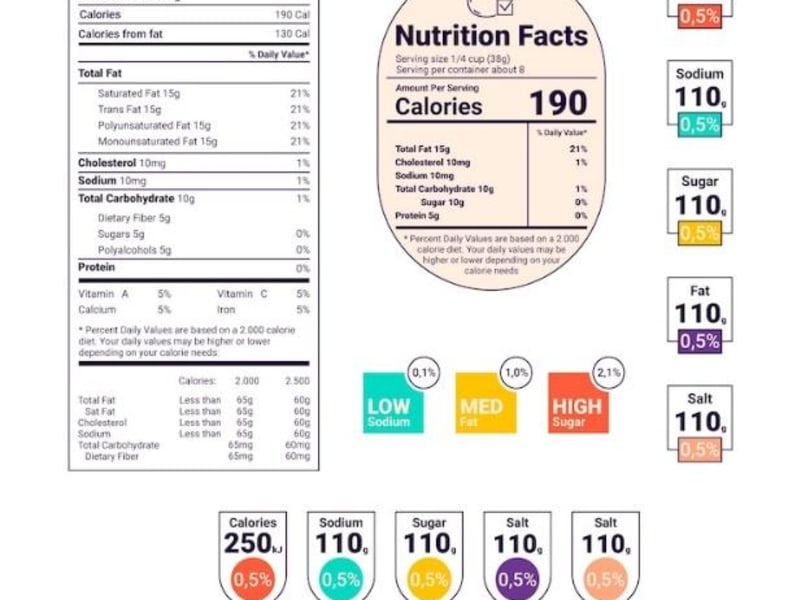
Nutrition labels are designed to inform — but food manufacturers often make them difficult to interpret. This expert guide walks through every section of a nutrition label, exposing the common tricks used to mislead consumers and showing you what to actually look for.
April 14, 2026
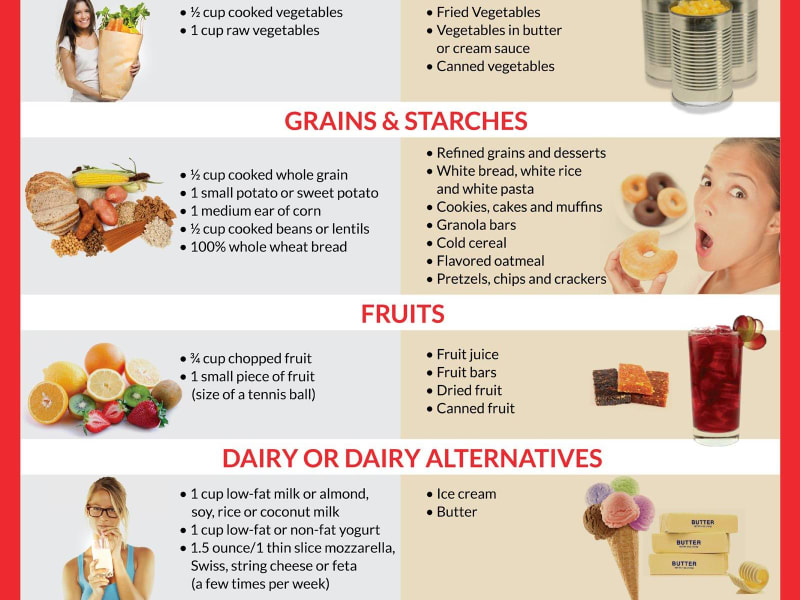
The carbohydrate debate is more nuanced than "eat less carbs." The quality of carbohydrates — their fibre content, processing level, and glycaemic impact — matters far more than their mere presence in your diet. Here's the science behind the distinction.
April 14, 2026

Most official protein recommendations were set to prevent deficiency — not to optimise health, muscle mass, or longevity. New research suggests the real requirements are significantly higher than the standard RDA, particularly for active adults and older populations.
April 13, 2026