

Free Helpline
We are here to assist you.
Health Advisor
+91-8877772277Available 7 days a week
10:00 AM – 6:00 PM to support you with urgent concerns and guide you toward the right care.

We are here to assist you.
Health Advisor
+91-8877772277Available 7 days a week
10:00 AM – 6:00 PM to support you with urgent concerns and guide you toward the right care.
Learn practical tips to simplify your grocery shopping, save time, reduce stress, and stick to your budget. Includes meal planning, list-making, and smart shopping habits.

In today's fast-paced world, daily routines can often feel chaotic. Juggling work, family, and personal commitments leaves little room for mundane tasks like grocery shopping. It's estimated that people in India, much like in other parts of the world, can spend a significant amount of time each week navigating supermarket aisles. For instance, some reports suggest that individuals might spend upwards of 46 minutes per day on grocery shopping, which translates to over a week's worth of time lost annually if you shop weekly. This is valuable time that could be better spent on hobbies, family, or simply relaxing. Fortunately, with a few strategic approaches, you can transform your grocery shopping experience from a time-consuming chore into an efficient and even enjoyable activity, all while keeping your budget in check.
The benefits of simplifying grocery shopping extend beyond just saving time. An organized approach can lead to:
Meal planning is perhaps the most crucial step in simplifying your grocery runs. It acts as a roadmap, guiding your purchases and preventing aimless wandering in the store. Here’s how to make it work for you:
A well-organized grocery list is your best friend at the supermarket. It ensures you don't forget essential items and helps you stick to your plan.
Timing your grocery trips can make a significant difference in your experience.
Technology offers numerous ways to streamline your shopping:
Even with a plan, a few in-store habits can enhance efficiency:
While grocery shopping itself doesn't typically require medical consultation, maintaining a healthy diet is crucial for overall well-being. If you have specific dietary needs due to a medical condition (like diabetes, heart disease, or allergies), or if you're unsure about creating a balanced meal plan, it's always advisable to consult with a doctor or a registered dietitian. They can provide personalized guidance to ensure your diet supports your health goals and manages any existing conditions effectively.
The best ways to combat impulse buying are to always shop with a detailed list, never shop when you're hungry, and consider online shopping where you can focus solely on your planned items without store distractions.
Both have their advantages. Online shopping saves time and reduces impulse buys, while in-store shopping allows you to inspect produce and compare items directly. The best option depends on your personal preferences, time constraints, and shopping habits.
Most people find planning meals weekly to be the most effective. This allows for fresh ingredients and flexibility, while still providing structure. Some may prefer bi-weekly planning for non-perishables.
Generally, weekday mornings (shortly after opening) and early afternoons are the least crowded. Avoid evenings, weekends, and the days leading up to holidays.
By implementing these simple yet effective strategies, you can transform your grocery shopping into a more efficient, cost-effective, and less stressful part of your week. Happy shopping!
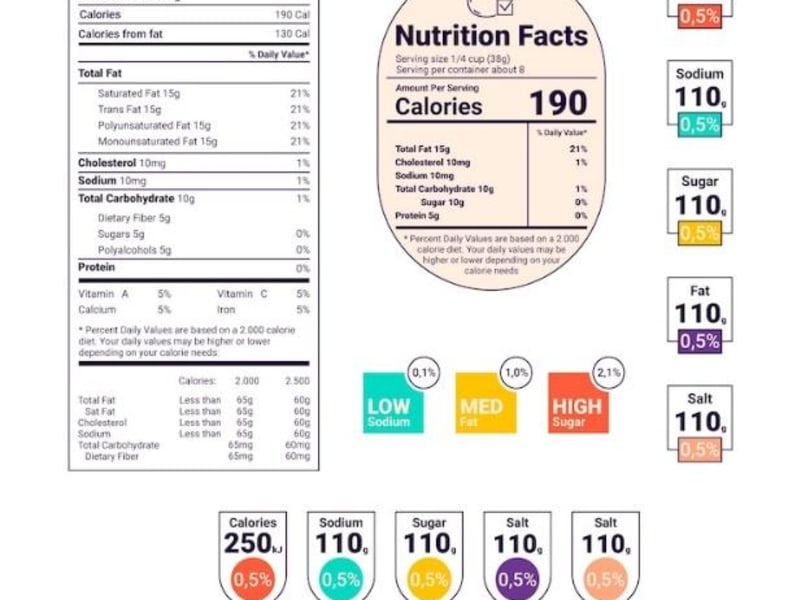
Nutrition labels are designed to inform — but food manufacturers often make them difficult to interpret. This expert guide walks through every section of a nutrition label, exposing the common tricks used to mislead consumers and showing you what to actually look for.
April 14, 2026
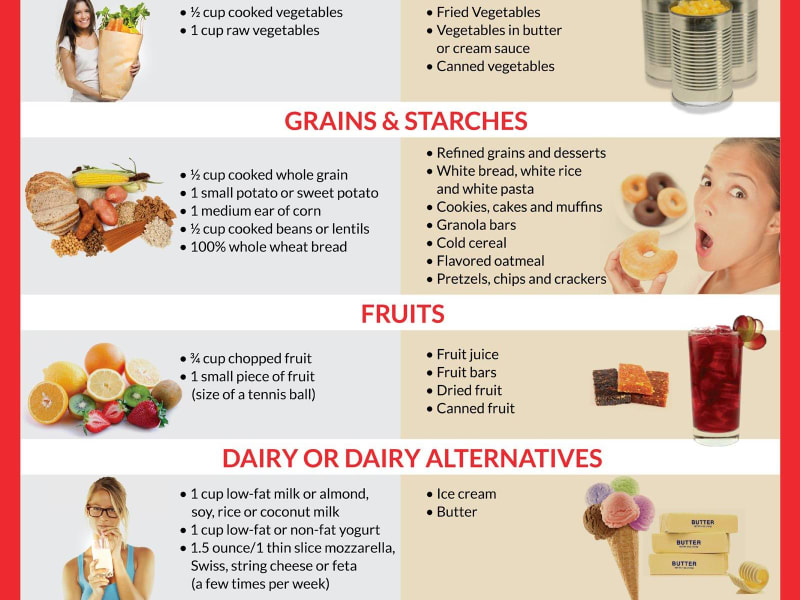
The carbohydrate debate is more nuanced than "eat less carbs." The quality of carbohydrates — their fibre content, processing level, and glycaemic impact — matters far more than their mere presence in your diet. Here's the science behind the distinction.
April 14, 2026
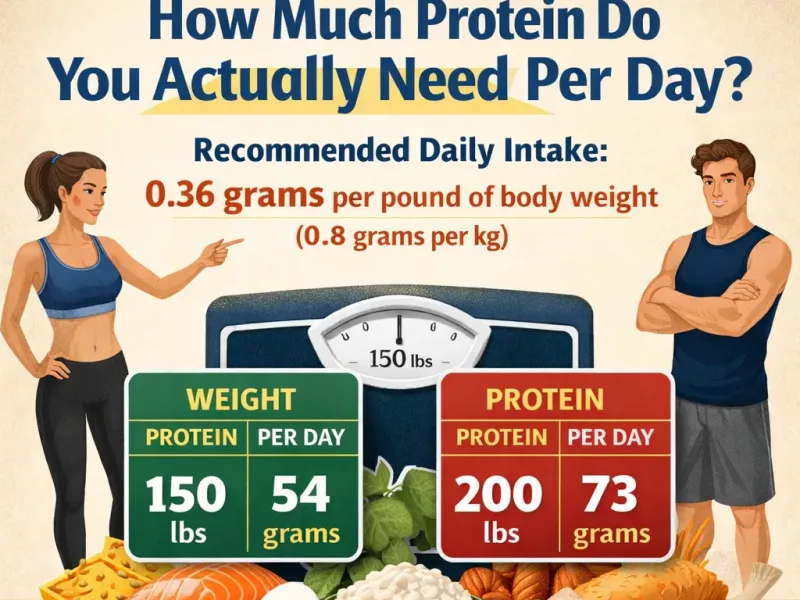
Most official protein recommendations were set to prevent deficiency — not to optimise health, muscle mass, or longevity. New research suggests the real requirements are significantly higher than the standard RDA, particularly for active adults and older populations.
April 13, 2026