

Free Helpline
We are here to assist you.
Health Advisor
+91-8877772277Available 7 days a week
10:00 AM – 6:00 PM to support you with urgent concerns and guide you toward the right care.

We are here to assist you.
Health Advisor
+91-8877772277Available 7 days a week
10:00 AM – 6:00 PM to support you with urgent concerns and guide you toward the right care.
Wondering if spraying perfume on your hair is a good idea? Learn why it's not the best for your strands and discover safe, effective alternatives like hair mists and dry shampoos to keep your hair smelling fresh.

We’ve all been there. You’re rushing to get ready for an important meeting or a special occasion, and you realize your hair hasn’t been washed in a few days. The smell isn’t exactly fresh, and a quick fix is needed. Your first thought might be to grab that bottle of your favourite perfume or body mist and give your hair a few spritzes. It seems like a simple and effective solution, right? But before you spray, let’s talk about what’s really happening and if this is truly the best choice for your hair.
While it might seem harmless, spraying traditional perfume directly onto your hair can actually cause more harm than good. The main culprits are the ingredients commonly found in most perfumes and body mists: high concentrations of alcohol and synthetic fragrances. These aren't formulated with hair health in mind.
Most perfumes contain a significant amount of alcohol, often ethyl alcohol. The Food and Drug Administration (FDA) notes that ethyl alcohol can be quite drying. When applied to your hair, this alcohol can strip away its natural oils, leading to dryness. Over time, this dryness can manifest as:
Think of it like this: your hair, especially the ends, is more delicate than your skin. While your skin might recover from a little dryness, your hair can suffer long-term damage if not cared for properly. This is why products specifically designed for hair are always a better choice.
Beyond alcohol, the strong synthetic fragrances in perfumes can also be harsh. While they create that lovely scent, they aren't always gentle. For sensitive scalps or delicate hair strands, these chemicals can sometimes cause irritation or further contribute to dryness.
Sometimes, our hair can pick up unwanted odours from our environment or simply from not being washed regularly. Common culprits include:
The good news is that you don't have to resort to potentially damaging perfumes to combat these issues. There are much safer and more effective alternatives designed specifically for your hair.
The goal is to refresh your hair's scent without compromising its health. Fortunately, the beauty industry offers several excellent products that do just that. These are designed with your hair’s specific needs in mind.
Hair mists are perhaps the closest and safest alternative to perfume for your hair. They are specifically formulated to impart a pleasant fragrance without the harsh alcohols found in traditional perfumes. These mists are generally lighter and often contain conditioning ingredients that can actually benefit your hair.
Look for hair mists that are:
Examples of beneficial ingredients to look for include:
Dry shampoo is a lifesaver when you need to quickly absorb excess oil and refresh your hair’s appearance and scent between washes. It works by using absorbent powders (like starch or clay) to soak up sebum from your scalp and hair. Many dry shampoos also leave a pleasant, light fragrance.
How to use dry shampoo effectively:
Choose dry shampoos that:
If your hair is feeling particularly dry or needs a bit of polish, a scented hair oil or serum can be an excellent choice. These products not only add a lovely fragrance but also provide deep conditioning, combat frizz, and add shine. They are typically applied from the mid-shaft to the ends of the hair.
When choosing a hair oil or serum, consider:
A small amount of product usually goes a long way. Be sure to distribute it evenly through the lengths and ends of your hair.
When selecting any hair fragrance or refreshing product, understanding the ingredient list is key. Your hair's health depends on it.
While dealing with hair odour or dryness is usually a cosmetic concern, there are times when you should seek professional advice. If you experience persistent scalp irritation, excessive dryness, hair loss, or unusual changes in your hair texture that don't improve with over-the-counter products, it’s wise to consult a doctor or a dermatologist. These symptoms could indicate an underlying scalp condition or a nutritional deficiency that requires medical attention.
It’s generally not recommended to apply undiluted essential oils directly to your hair or scalp. They are highly concentrated and can cause irritation, sensitization, or even burns. Always look for hair products where essential oils are properly diluted in a carrier base.
Most modern hair mists are formulated to be lightweight. However, if you have very fine hair, start with a small amount and see how your hair reacts. Applying it from a distance can also help distribute the product more evenly without making it heavy.
You can use dry shampoo as needed, typically a few times a week. However, it’s important not to rely on it as a complete replacement for washing your hair. Overuse can lead to scalp buildup, which might cause irritation or affect hair health. Aim to wash your hair with shampoo and water regularly.

Nutrition labels are designed to inform — but food manufacturers often make them difficult to interpret. This expert guide walks through every section of a nutrition label, exposing the common tricks used to mislead consumers and showing you what to actually look for.
April 14, 2026
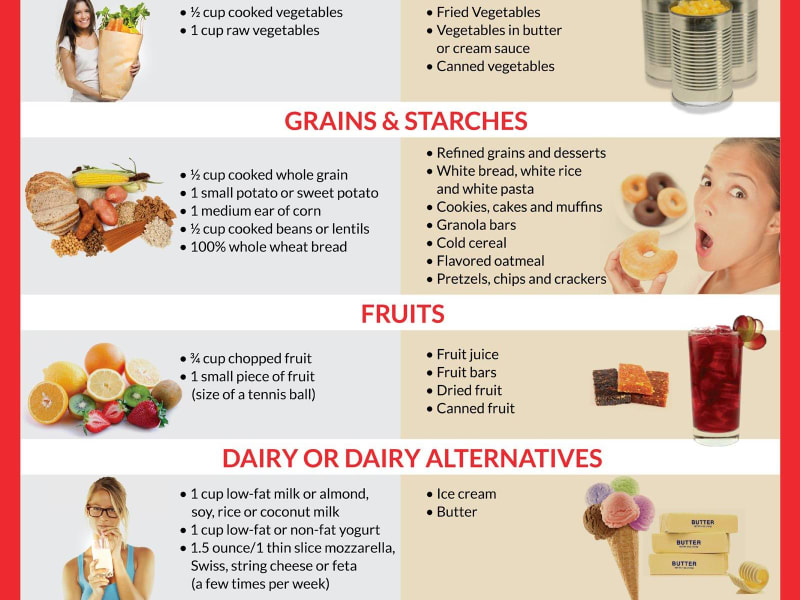
The carbohydrate debate is more nuanced than "eat less carbs." The quality of carbohydrates — their fibre content, processing level, and glycaemic impact — matters far more than their mere presence in your diet. Here's the science behind the distinction.
April 14, 2026

Most official protein recommendations were set to prevent deficiency — not to optimise health, muscle mass, or longevity. New research suggests the real requirements are significantly higher than the standard RDA, particularly for active adults and older populations.
April 13, 2026